

Category: Music and Traditions

This section includes posts to highlight the intersection between music and culture.

  • Indigenous Peoples in the Americas

    Taki Ongoy — Texto numero 1– Victor Heredia… (Please note, only a small sample of this magnificent work is provided in this article).

    Our site is fundamentally respectful of the Indigenous peoples that populated the Americas (and YES! there is more than one America) long before Vikings and Spaniards “discovered” the continent. These people today continue their struggles to keep their territories, cultures, and ways of being, and stop the pillage which has been imposed over centuries of colonialism.

    Colonial powers may change, their intentions and brutality do not.

    This is why in this site we pay homage to Indigenous wisdom, culture, traditions and ownership of the vast territory they share with us. As stewards of the environment, Indigenous peoples have a lot to share about caring for the environment and protection from the unrelenting assault to the Americas.

    The Haida people of western Canada like to remind us that: “We do not inherit the earth from our ancestors, we borrow it from our children.”

    This is why we will undertake to publish a series of articles that will show the richness and diversity of Indigenous cultures in the Americas, their struggle and spirit of resistance. We do not intend to be exhaustive with this exposé–we aim for readers to do their own research. Today more than ever Indigenous people should be an inspiration to fight unrestricted capitalism, ignorance, and the pseudo-supremacy that today seeks to impose itself with the advent of the Ugly Imperialist.

    As described by the Kuna of Panama, Indigenous peoples are more than just present, they are at the centre of a justice and freedom rebuilding process in our societies. Indigenous’ peoples beliefs have been negated for too long.

    Others have spoken for Indigenous peoples and “have imposed their political ideologies upon us“. “[Kunas] are very conscious that the struggle for justice will not be achieved by Indian people alone. An alliance with other oppressed sectors is necessary. However, this alliance should emerge from an atmosphere of respect for our differences“.

    There are more than 40,000,000 people in Latin America and the Caribbean that belong to the almost 600 indigenous peoples of the continent, many of whom are in Mexico, Peru, Guatemala, Bolivia, Chile and Ecuador. According to World Bank figures, 12.76% of the entire American population and approximately 40% of the rural population is indigenous.

    In 2000 it was estimated that there are between 6 and 7 million of natives living in Central America (people with one African Caribbean or mestizo parent were also taken into account). The “Mesoamerican” languages and cultures extend from Yucatán and Chiapas in Mexico to Matambú on the Nicoya Peninsula in Costa Rica; and, Mesoamerican ethnic groups primarily inhabit the highlands and lowlands of Petén in Guatemala, with communities spread across Honduras, El Salvador, and Nicaragua.

    A Rich Tapestry of Cultures, Struggles, and Resilience

    In Latin America, Indigenous nations represent some of the region’s most significant cultural and demographic groups with deep historical roots that stretch back thousands of years. The history of Indigenous populations in the region is one of profound resilience, survival, and adaptation in the face of colonization, globalization, and modern-day challenges. This article is an introduction to a series of posts that will provide a more detailed view Indigenous peoples and the contemporary issues they face.


    The Rich History and Cultural Diversity of Indigenous Peoples in Latin America

    Pre-Colonial Civilizations

    Before European colonization, the Americas were home to a vast number of Indigenous societies, each with its own distinct languages, traditions, and ways of life. In what is now Latin America, some of the most well-known pre-Columbian civilizations include:

    • Aztecs (Mexica): Centered in modern-day Mexico, the Aztecs were known for their advanced agricultural systems, complex social structure, monumental architecture (such as the Templo Mayor), and vast trade networks. Their capital, Tenochtitlán, was one of the largest cities in the world at the time of Spanish arrival.
    • Maya: The Maya civilization stretched across southern Mexico, Guatemala, Belize, Honduras, and El Salvador. The Maya were known for their advances in astronomy, mathematics, architecture, and the development of the only fully developed written language in pre-Columbian Americas.
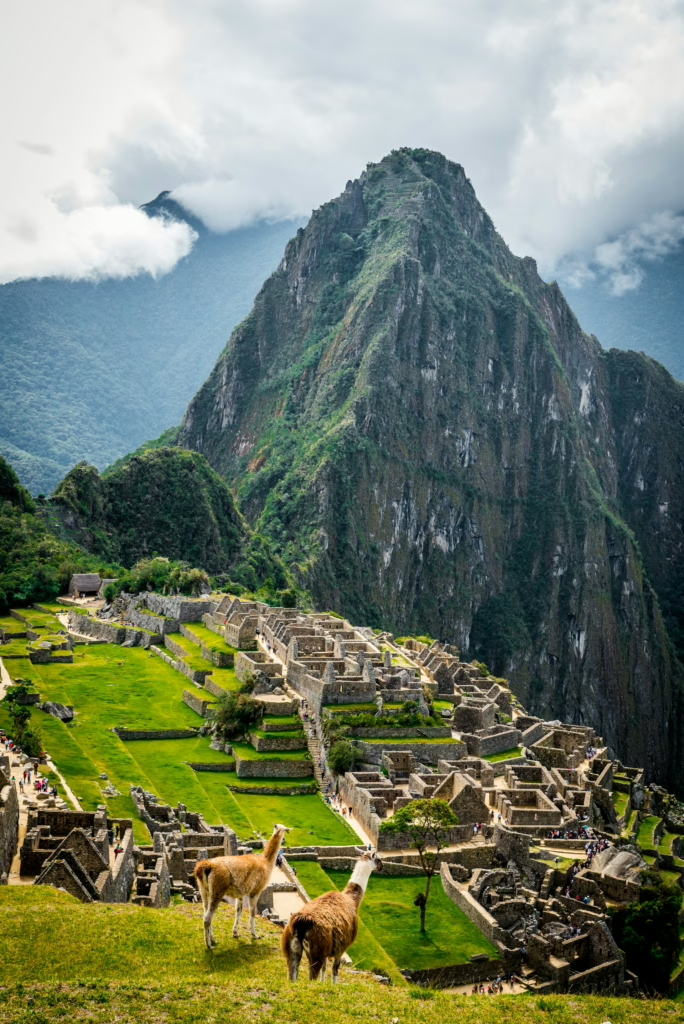
    • Incas: Spanning much of the Andean region, the Inca Empire was the largest empire in pre-Columbian America, with territories covering parts of modern-day Peru, Ecuador, Bolivia, Chile, Argentina, and Colombia. The Inca built an extensive network of roads, impressive stone structures (such as Machu Picchu), and sophisticated agricultural systems.
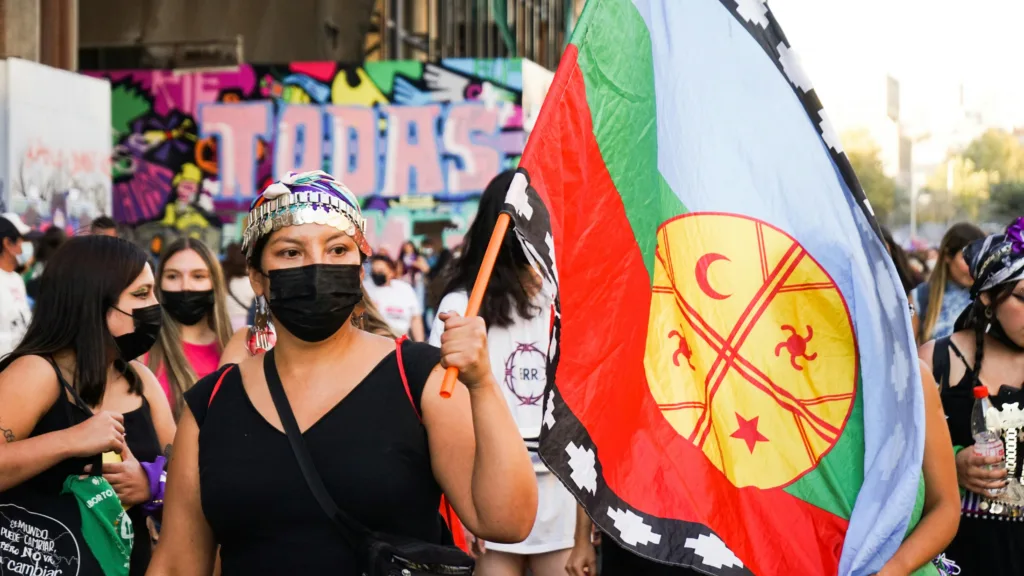
    • Mapuches: Indigenous to Chile and Argentina, the Mapuche resisted Spanish colonization for centuries and continue to play a central role in regional politics and culture today.
    • Guaraníes: Residing primarily in Paraguay and parts of Brazil, Argentina, and Bolivia, the Guaraní have a long history of farming, storytelling, and resistance to colonial and post-colonial forces.
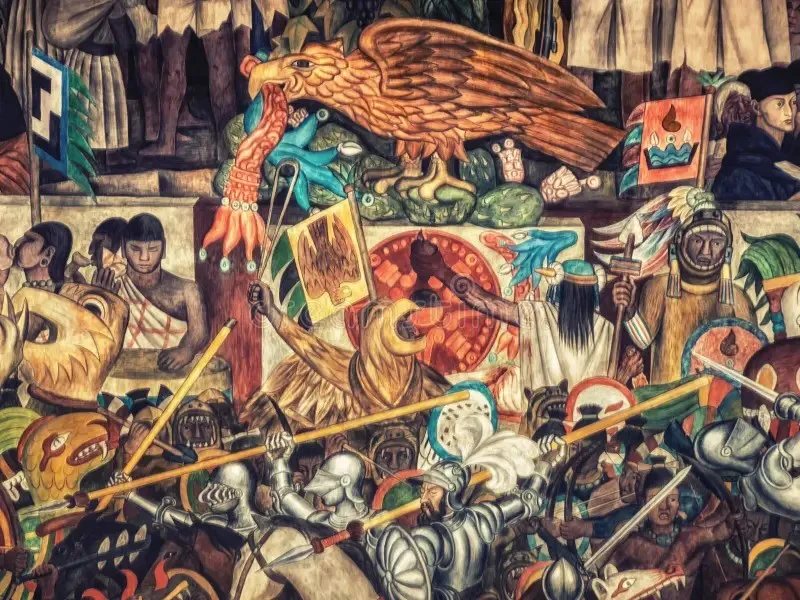
    Artxpaint com
    The great Diego Rivera – Zocalo, the fight against the Spaniards (dowloaded from Artxpaint.com)

    These civilizations, along with many others, were not monolithic. They were diverse in language, religion, and social structure, but they shared a deep connection to the land, with many societies emphasizing communal living, agricultural practices, and respect for nature.

    The Impact of Spanish and Portuguese Colonization

    When the Spanish and Portuguese arrived in the Americas in the late 15th and early 16th centuries, they encountered flourishing Indigenous civilizations. However, the ensuing colonization had a devastating impact on these societies.

    The Blueprint for Conquest
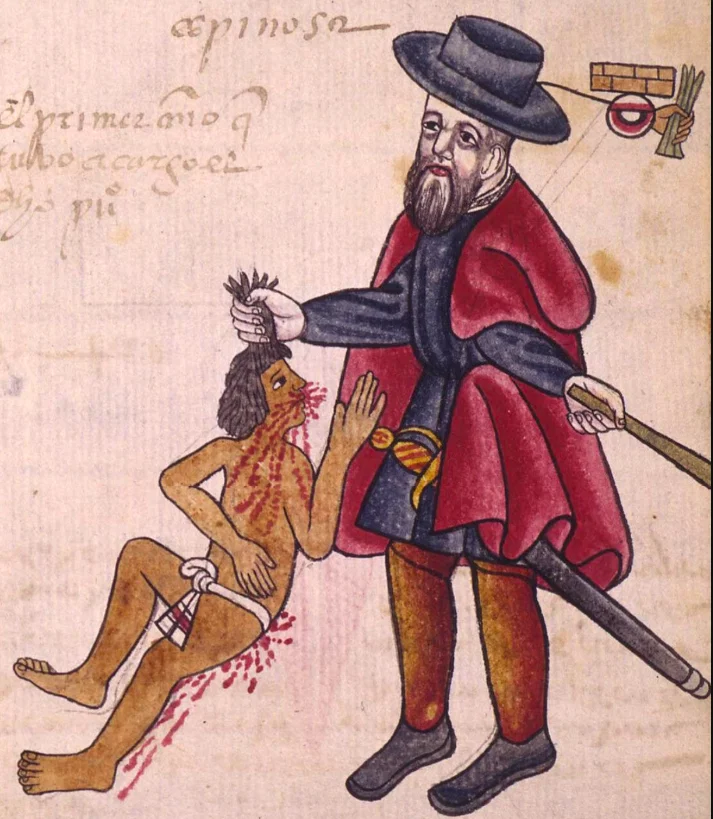
    Encomendaro abusing an Indigenous man
    Encomendaro abusing an Indigenous man (British Museum, London-public domain)
    • The Decimation of Indigenous Populations: Diseases such as smallpox, influenza, and measles, brought by Europeans, decimated Indigenous populations, with some estimates suggesting that up to 90% of the Indigenous population died in the first century of contact. The forced labor systems, such as the encomienda in Spanish territories, also contributed to widespread suffering.
    • Cultural Assimilation and Forced Conversion: The colonial powers imposed Christianity on the Indigenous peoples, often forcibly converting them to Catholicism and attempting to erase their traditional beliefs and practices. The destruction of sacred sites and the suppression of Indigenous languages and customs were also common during this time.
    • Land Dispossession and Slavery: Europeans claimed Indigenous lands for farming, mining, and settlement. Indigenous people were either displaced or forced into servitude in the burgeoning colonial economies. The Spanish and Portuguese employed brutal systems of forced labor, such as the mita system in the Inca heartland, where Indigenous people were made to work in silver mines under inhumane conditions.
    Aya Marcay Quilla – Taki Ongoy (Victor Heredia and Mercedes Sosa)

    Never lose your child in your arms. Never suffer such pain. It will seem like the world is ending that something inside broke. There will be no pain that can overcome me the little Indian fell asleep. The black plague of the foreigner his laughter took away. Aya Marcay Quilla will bring him back but he won’t smile at me the sparkle in his eyes has already faded.


    Contemporary Indigenous Peoples in Latin America

    Demographics and Distribution

    Today, Indigenous peoples in Latin America constitute a significant part of the region’s population. According to estimates from the Economic Commission for Latin America and the Caribbean (ECLAC), there are around 45 million Indigenous people in Latin America, accounting for approximately 8% of the total population. They live in every country of the region, with the largest concentrations in Mexico, Guatemala, Peru, Bolivia, Ecuador, and Brazil. Despite their numbers, Indigenous communities are often marginalized and face significant challenges.

    Indigenous Languages

    Four hundred Indigenous languages are spoken across the Americas. Some of the most widely spoken include Quechua, Aymara, Nahuatl, Guaraní, Mayan languages, and Mapudungun. However, many of these languages are at risk of extinction.

    Cultural Continuity and Revitalization

    In spite efforts to assimilate Indigenous populations, many communities have maintained and revitalized their cultural practices, languages, and traditional knowledge. In recent decades, there has been a cultural renaissance among Indigenous peoples, as they began to assert their identity and fight to preserve their heritage. This has included:

    • Language Revitalization: Efforts to preserve and teach Indigenous languages in schools and communities have become an important part of the cultural renaissance. Some countries, such as Bolivia and Ecuador, have recognized Indigenous languages as official languages alongside Spanish.
    • Traditional Dress and Crafts: Many Indigenous groups continue to wear traditional clothing, especially during cultural celebrations and ceremonies. Textile arts, pottery, and weaving are also essential to many Indigenous economies and cultural practices.
    • Spiritual Practices: Indigenous spiritual traditions, including animism, ancestor worship, and the use of sacred plants like ayahuasca and peyote, have been maintained in some communities, despite centuries of colonial and religious suppression.

    Social, Political, and Economic Struggles

    Land and Resource Rights

    Una tierra sin memoria — Taki Ongoy (Victor Heredia)

    One of the most pressing issues for Indigenous communities in Latin America today is the fight for land rights. Many Indigenous peoples live on territories that are rich in natural resources, such as oil, gas, and minerals (lithium is the new gold rush), which makes them vulnerable to exploitation by governments and multinational corporations. These companies often seek to extract resources from Indigenous lands without proper consultation or compensation, leading to widespread land dispossession and environmental degradation.

    Indigenous communities have fought for decades to protect their lands and have gained some legal victories. For example, in Bolivia, the Law of Indigenous Land and Territory (2009) recognized Indigenous peoples’ right to their ancestral lands. Similarly, Brazil’s Indigenous Land Act (1988) provides a legal framework for the protection of Indigenous territories. However, these laws are often undermined by political pressure from commercial interests.

    Poverty and Marginalization

    Indigenous peoples the Americas are disproportionately affected by poverty, lack of access to quality healthcare, education, and employment. According to a 2020 report by UNICEF, Indigenous children are more likely to suffer from malnutrition and lack access to education compared to their non-Indigenous peers.

    Indigenous peoples often live in rural, isolated areas, limiting their access to social services and economic opportunities. Urbanization has also led to the displacement of many Indigenous people from their traditional lands, pushing them into slums in major cities, where they face discrimination and poor living conditions.

    Political Representation

    With notable exceptions, Indigenous peoples have been underrepresented in national governments, although notable strides have been made. In Bolivia, Evo Morales, an Aymara Indigenous leader, became the country’s first Indigenous president in 2006. His administration made significant advancements in Indigenous rights, including constitutional reforms recognizing the country as a plurinational state and granting collective land rights to Indigenous communities.

    Other Latin American countries, such as Guatemala, Mexico, and Ecuador, have also seen Indigenous leaders rise to positions of political power, although systemic discrimination and challenges to Indigenous political participation persist.


    Indigenous Movements and International Solidarity

    Indigenous movements across Latin America have become more organized and vocal in recent decades, fighting for their rights and recognition. The Declaration on the Rights of Indigenous Peoples (2007), adopted by the United Nations, has become a key international document supporting Indigenous rights, emphasizing self-determination, cultural preservation, and land protection

    Many non-governmental organizations (NGOs) and international bodies also work alongside Indigenous communities to support their struggles, though the fight for Indigenous rights is far from over. Challenges remain in the areas of land dispossession, environmental degradation, violence against Indigenous activists, and the fight for political autonomy.


    Conclusion

    The Indigenous peoples of Latin America have endured centuries of colonization, violence, and oppression, yet they have managed to preserve and adapt their cultures, traditions, and languages. Today, Indigenous communities continue to face significant challenges, including poverty, land dispossession, and marginalization, but they are also asserting their rights with increasing visibility and political power.

    The resilience and determination of Indigenous peoples in Latin America serve as a testament to their enduring strength and cultural significance. As the fight for justice continues, it is clear that Indigenous communities will remain at the forefront of the region’s social, political, and cultural transformations.

  • Pablo Neruda

    The Poet at the Forefront of Social Activism

    Pablo neruda 1963

    Pablo Neruda, born in 1904 in Chile, evolved from a literary figure into a significant political activist. Following treatment for prostate cancer and an assassination attempt by a Pinochet operative, who injected Neruda with an unknown substance, in the evening of 23 September 1973, at Santiago’s Santa María Clinic, Neruda died of heart failure.

    ​His political legacy intertwines with his literary work, notably in his epic poem Canto General, which reflects historical and social themes rooted in his ideology. Neruda’s political career underscores his belief in poetry’s power as a tool for social change and represents a significant chapter in 20th-century Latin American political history.

    One of the most influential poets of the 20th century, Neruda wrote with a voice that resonates across borders and time. Known for his deeply emotional and sensual poems, Neruda’s work transcends the personal to address the political, the universal, and the timeless. Whether exploring themes of love, longing, despair, or social justice, his poetry offers a profound glimpse into the human experience.

    The Voice of the People

    What makes Neruda’s poetry so universally relatable is his ability to voice the struggles and joys of ordinary people. From the factory worker to the farmer, from the lover to the revolutionary, Neruda’s characters feel alive with purpose.Neruda’s ability to capture the pulse of society—and the nuances of human existence—sets him apart as a poet of the people. His use of simple, direct language also allows him to create an immediate emotional connection with his readers.

    The poem, “Ode to My Socks”, illustrates this perfectly. In what seems like a simple ode to an everyday object, Neruda elevates the mundane to the sublime, transforming an ordinary moment into a meditation on beauty, love, and human connection. The poem’s simplicity is its power, reminding us that even in the smallest of things, there’s room for wonder and celebration.

    Neruda’s Enduring Influence

    What makes Neruda’s poetry timeless is its ability to speak to the heart of human experience. His works continue to resonate with readers around the world, regardless of their cultural background. Neruda’s distinct voice, one that intertwines sensuality, politics, and universal themes of love and loss, remains a beacon for contemporary poets and readers alike.

    Whether it’s the passionate embrace of romantic love or the bitter struggle for justice, Pablo Neruda’s poetry invites us into a world where emotion is not just felt but lived. His words continue to stir hearts and provoke thought, solidifying his place as one of the most beloved poets in modern history. In Neruda’s poetry, we find not just words on a page, but a window into the soul of humanity—a place where beauty, struggle, and emotion converge in a powerful and enduring symphony.

    Pablo Neruda is renowned for his vivid imagery and profound ability to capture the soul of a place. Among his many masterpieces, his poem Machu Picchu Heights stands out as a monumental reflection on the intersection of history, nature, and human existence. Written during his journey to the iconic Incan citadel, Neruda’s words offer a stunning meditation on the ruins and the people who once inhabited them.

    In “Machu Picchu Heights,” Neruda channels the awe he felt while standing at the pinnacle of the ancient ruins, observing the breathtaking landscape that stretches out beneath him. The poem is a fusion of the poet’s admiration for the natural world and his recognition of human history, particularly the legacy of the Inca civilization. The poem delves deep into the spiritual connection between people and place, juxtaposing the grandeur of the site with the solitude it now endures.

    “Alturas de Machu Picchu”, is a poetic tribute to the ancient Inca city of Machu Picchu in Peru. This poem is part of his larger work Canto General and reflects Neruda’s contemplation on history, humanity, and permanence. “Alturas de Machu Picchu” explores the juxtaposition of life and death, permanence and impermanence. Neruda identifies with the builders of Machu Picchu, celebrating their legacy and existence through the enduring stones of the city despite their physical deaths. The poem invokes the spirit of the ancient inhabitants and their gods, merging them metaphorically with the natural landscape, rivers, and mountains of the region.

    Neruda uses vivid metaphors comparing Machu Picchu to hurricanes, cataracts, and flora to emphasize the city’s grandeur and eternal nature. The poem is both a personal journey of self-discovery and a universal meditation on the resilience of human spirit embodied in the ancient ruins. It honors the craftsmanship and memory of the Incas, suggesting their essence lives on through the monument they left behind.

    ​Overall, “Alturas de Machu Picchu” reflects Neruda’s deep political, historical, and humanistic concerns, blending his poetic mastery with a profound respect for the past and an urgent call to recognize the continuity between history and the present.

    ​This poem stands as a vital piece of Neruda’s oeuvre, symbolizing his belief in poetry as a means of immortalizing human achievement and connecting with those who came before us.

    Neruda’s poetic vision intertwines the ruins of Machu Picchu with the broader struggles of history. For him, the ancient stones of the Incan city are not just architectural marvels; they are witnesses to a past filled with both grandeur and tragedy. The poem explores how time, nature, and humanity have coexisted—how the Incan people, once so powerful, now live only in memory, their civilization overrun by foreign conquerors.

    Cynthia winward 8glhfip6ekw unsplash

    Themes of Time and Memory

    Neruda’s exploration of Machu Picchu is imbued with themes of loss and memory. The majestic ruins, once a thriving center of life, now stand as a haunting reminder of what was lost to time. But Neruda also celebrates the endurance of these stones, which have withstood centuries of change and destruction. They are symbolic not only of a bygone civilization but of the resilience of the human spirit and the lasting impact of culture and history.

    Through “Machu Picchu Heights,” Neruda urges us to reflect on the passage of time and the impermanence of human achievements. Yet, even in the face of this, he suggests that there is beauty in the ruins—beauty in remembering and honoring the past, no matter how distant or forgotten it may seem.

    Los Jaivas and their musical interpretation of “Alturas de Machu Picchu”. Introduction by the great Peruvian writer Mario Vargas Llosa.

    Neruda’s Personal Connection

    For Neruda, the visit to Machu Picchu was deeply personal. It was part of a larger journey of discovery in his lifelong quest to understand the landscapes and peoples that shaped his identity. The ruins of Machu Picchu, nestled in the Andean mountains, were a place where the poet could reflect on both the past and present, feeling the weight of history and the beauty of the surrounding world. His poetry, in this sense, becomes a bridge between the ancient and the modern, inviting readers to ponder the deep, timeless connections between humanity, nature, and the legacy of civilizations.

    Conclusion

    In “Machu Picchu Heights,” Neruda crafts a haunting and powerful homage to the ruins of one of the world’s most famous archaeological sites. Through his lyrical lines, he honors the Incas and reflects on the fleeting nature of human existence. But, like much of Neruda’s work, the poem also carries a message of endurance and resilience—a celebration of the past that continues to inform the present. In this way, Neruda’s visit to Machu Picchu is not just an exploration of a physical space, but an emotional and intellectual journey into the depths of history, memory, and the human soul.

    Alturas de Machu Picchu

    Del aire al aire, como una red vacía,
    iba yo entre las calles y la atmósfera, llegando y despidiendo,
    en el advenimiento del otoño la moneda extendida
    de las hojas, y entre la primavera y las espigas,
    lo que el más grande amor, como dentro de un guante
    que cae, nos entrega como una larga luna.

    (Días de fulgor vivo en la intemperie
    de los cuerpos: aceros convertidos
    al silencio del ácido:
    noches desdichadas hasta la última harina:
    estambres agredidos de la patria nupcial.)

    Alguien que me esperó entre los violines
    encontró un mundo como una torre enterrada
    hundiendo su espiral más abajo de todas
    las hojas de color de ronco azufre:
    más abajo, en el oro de la geología,
    como una espada envuelta en meteoros,
    hundí la mano turbulenta y dulce
    en lo más genital de lo terrestre.

    Puse la frente entre las olas profundas,
    descendí como gota entre la paz sulfúrica,
    y, como un ciego, regresé al jazmín
    de la gastada primavera humana.

    II

    Si la flor a la flor entrega el alto germen
    y la roca mantiene su flor diseminada
    en su golpeado traje de diamante y arena,
    el hombre arruga el pétalo de la luz que recoge
    en los determinados manantiales marinos
    y taladra el metal palpitante en sus manos.
    Y pronto, entre la ropa y el humo, sobre la mesa hundida,
    como una barajada cantidad, queda el alma:
    cuarzo y desvelo, lágrimas en el océano
    como estanques de frío: pero aún
    mátala y agonízala con papel y con odio,
    sumérgela en la alfombra cotidiana, desgárrala
    entre las vestiduras hostiles del alambre.

    No: por los corredores, aire, mar o caminos,
    quién guarda sin puñal (como las encarnadas
    amapolas) su sangre? La cólera ha extenuado
    la triste mercancía del vendedor de seres,
    y, mientras en la altura del ciruelo, el rocío
    desde mil años deja su carta transparente
    sobre la misma rama que lo espera, oh corazón, oh frente triturada
    entre las cavidades del otoño.
    Cuántas veces en las calles del invierno de una ciudad o en
    un autobús o un barco en el crepúsculo, o en la soledad
    más espesa, la de la noche de fiesta, bajo el sonido
    de sombras y campanas, en la misma gruta del placer humano,
    me quise detener a buscar la eterna veta insondable
    que antes toqué en la piedra o en el relámpago que el beso desprendía.

    (Lo que en el cereal como una historia amarilla
    de pequeños pechos preñados va repitiendo un número
    que sin cesar es ternura en las capas germinales,
    y que, idéntica siempre, se desgrana en marfil
    y lo que en el agua es patria transparente, campana
    desde la nieve aislada hasta las olas sangrientas.)

    No pude asir sino un racimo de rostros o de máscaras
    precipitadas, como anillos de oro vacío,
    como ropas dispersas hijas de un otoño rabioso
    que hiciera temblar el miserable árbol de las razas asustadas.

    No tuve sitio donde descansar la mano
    y que, corriente como agua de manantial encadenado,
    o firme como grumo de antracita o cristal,
    hubiera devuelto el calor o el frío de mi mano extendida.
    Qué era el hombre? En qué parte de su conversación abierta
    entre los almacenes de los silbidos, en cuál de sus movimientos metálicos
    vivía lo indestructible, lo imperecedero, la vida?

    III

    El ser como el maíz se desgranaba en el incansable
    granero de los hechos perdidos, de los acontecimientos
    miserables, del uno al siete, al ocho,
    y no una muerte, sino muchas muertes llegaba a cada uno:
    cada día una muerte pequeña, polvo, gusano, lámpara
    que se apaga en el lodo del suburbio, una pequeña muerte de alas gruesas
    entraba en cada hombre como una corta lanza
    y era el hombre asediado del pan o del cuchillo,
    el ganadero: el hijo de los puertos, o el capitán oscuro del arado,
    o el roedor de las calles espesas:

    todos desfallecieron esperando su muerte, su corta muerte diaria:
    y su quebranto aciago de cada día era
    como una copa negra que bebían temblando.

    IV

    La poderosa muerte me invitó muchas veces:
    era como la sal invisible en las olas,
    y lo que su invisible sabor diseminaba
    era como mitades de hundimientos y altura
    o vastas construcciones de viento y ventisquero.

    Yo al férreo vine, a la angostura
    del aire, a la mortaja de agricultura y piedra,
    al estelar vacío de los pasos finales
    y a la vertiginosa carretera espiral:
    pero, ancho mar, oh muerte!, de ola en ola no vienes,
    sino como un galope de claridad nocturna
    o como los totales números de la noche.

    Nunca llegaste a hurgar en el bolsillo, no era
    posible tu visita sin vestimenta roja:
    sin auroral alfombra de cercado silencio:
    sin altos enterrados patrimonios de lágrimas.

    No pude amar en cada ser un árbol
    con su pequeño otoño a cuestas (la muerte de mil hojas)
    todas las falsas muertes y las resurrecciones
    sin tierra, sin abismo:
    quise nadar en las más anchas vidas,
    en las más sueltas desembocaduras,
    y cuando poco a poco el hombre fue negándome
    y fue cerrando paso y puerta para que no tocaran
    mis manos manantiales su inexistencia herida,
    entonces fui por calle y calle y río y río,
    y ciudad y ciudad y cama y cama,
    y atravesó el desierto mi máscara salobre,
    y en las últimas casas humilladas, sin lámpara, sin fuego,
    sin pan, sin piedra, sin silencio, solo,
    rodé muriendo de mi propia muerte.

    V

    No eras tú, muerte grave, ave de plumas férreas,
    la que el pobre heredero de las habitaciones
    llevaba entre alimentos apresurados, bajo la piel vacía:
    era algo, un pobre pétalo de cuerda exterminada:
    un átomo del pecho que no vio al combate
    o el áspero rocío que no cayó en la frente.
    Era lo que no pudo renacer, un pedazo
    de la pequeña muerte sin paz ni territorio:
    un hueso, una campana que morían en él.
    Yo levanté las vendas del yodo, hundí las manos
    en los pobres dolores que mataban la muerte,
    y no encontré en la herida sino una racha fría
    que entraba por los vagos intersticios del alma.

    VI

    Entonces en la escala de la tierra he subido
    entre la atroz maraña de las selvas perdidas
    hasta ti, Macchu Picchu.
    Alta ciudad de piedras escalares,
    por fin morada del que lo terrestre
    no escondió en las dormidas vestiduras.
    En ti, como dos líneas paralelas,
    la cuna del relámpago y del hombre
    se mecían en un viento de espinas.

    Madre de piedra, espuma de los cóndores.

    Alto arrecife de la aurora humana.

    Pala perdida en la primera arena.

    Ésta fue la morada, éste es el sitio:
    aquí los anchos granos del maíz ascendieron
    y bajaron de nuevo como granizo rojo.

    Aquí la hebra dorada salió de la vicuña
    a vestir los amores, los túmulos, las madres,
    el rey, las oraciones, los guerreros.


    Aquí los pies del hombre descansaron de noche
    junto a los pies del águila, en las altas guaridas
    carniceras, y en la aurora
    pisaron con los pies del trueno la niebla enrarecida,
    y tocaron las tierras y las piedras
    hasta reconocerlas en la noche o la muerte.

    Miro las vestiduras y las manos,
    el vestigio del agua en la oquedad sonora,
    la pared suavizada por el tacto de un rostro
    que miró con mis ojos las lámparas terrestres,
    que aceitó con mis manos las desaparecidas
    maderas: porque todo, ropaje, piel, vasijas,
    palabras, vino, panes,
    se fue, cayó a la tierra.Y el aire entró con dedos
    de azahar sobre todos los dormidos:
    mil años de aire, meses, semanas de aire,
    de viento azul, de cordillera férrea,
    que fueron como suaves huracanes de pasos
    lustrando el solitario recinto de la piedra.VII

    Muertos de un solo abismo, sombras de una hondonada,
    la profunda, es así como al tamaño
    de vuestra magnitud
    vino la verdadera, la más abrasadora
    muerte y desde las rocas taladradas,
    desde los capiteles escarlata,
    desde los acueductos escalares
    os desplomasteis como en un otoño
    en una sola muerte.
    Hoy el aire vacío ya no llora,
    ya no conoce vuestros pies de arcilla,
    ya olvidó vuestros cántaros que filtraban el cielo
    cuando lo derramaban los cuchillos del rayo,
    y el árbol poderoso fue comido
    por la niebla, y cortado por la racha.

    Él sostuvo una mano que cayó de repente
    desde la altura hasta el final del tiempo.
    Ya no sois, manos de araña, débiles
    hebras, tela enmarañada:
    cuanto fuisteis cayó: costumbres, sílabas
    raídas, máscaras de luz deslumbradora.

    Pero una permanencia de piedra y de palabra:
    la ciudad como un vaso se levantó en las manos
    de todos, vivos, muertos, callados, sostenidos
    de tanta muerte, un muro, de tanta vida un golpe
    de pétalos de piedra: la rosa permanente, la morada:
    este arrecife andino de colonias glaciales.

    Cuando la mano de color de arcilla
    se convirtió en arcilla, y cuando los pequeños párpados se cerraron
    llenos de ásperos muros, poblados de castillos,
    y cuando todo el hombre se enredó en su agujero,
    quedó la exactitud enarbolada:
    el alto sitio de la aurora humana:
    la más alta vasija que contuvo el silencio:
    una vida de piedra después de tantas vidas.

    VIII

    Sube conmigo, amor americano.
    Besa conmigo las piedras secretas.
    La plata torrencial del Urubamba
    hace volar el polen a su copa amarilla.

    Vuela el vacío de la enredadera,
    la planta pétrea, la guirnalda dura
    sobre el silencio del cajón serrano.
    Ven, minúscula vida, entre las alas
    de la tierra, mientras -cristal y frío, aire golpeado -
    apartando esmeraldas combatidas,
    oh agua salvaje, bajas de la nieve.

    Amor, amor, hasta la noche abrupta,
    desde el sonoro pedernal andino,
    hacia la aurora de rodillas rojas,
    contempla el hijo ciego de la nieve.

    Oh, Wilkamayu de sonoros hilos,
    cuando rompes tus truenos lineales
    en blanca espuma, como herida nieve,
    cuando tu vendaval acantilado
    canta y castiga despertando al cielo,
    qué idioma traes a la oreja apenas
    desarraigada de tu espuma andina?

    Quién apresó el relámpago del frío
    y lo dejó en la altura encadenado,
    repartido en sus lágrimas glaciales,
    sacudido en sus rápidas espadas,
    golpeando sus estambres aguerridos,
    conducido en su cama de guerrero,
    sobresaltado en su final de roca?

    Qué dicen tus destellos acosados?
    Tu secreto relámpago rebelde
    antes viajó poblado de palabras?
    Quién va rompiendo sílabas heladas,
    idiomas negros, estandartes de oro,
    bocas profundas, gritos sometidos,
    en tus delgadas aguas arteriales?

    Quién va cortando párpados florales
    que vienen a mirar desde la tierra?
    Quién precipita los racimos muertos
    que bajan en tus manos de cascada
    a desgranar su noche desgranada
    en el carbón de la geología?

    Quién despeña la rama de los vínculos?
    Quién otra vez sepulta los adioses?

    Amor, amor, no toques la frontera,
    ni adores la cabeza sumergida:
    deja que el tiempo cumpla su estatura
    en su salón de manantiales rotos,
    y, entre el agua veloz y las murallas,
    recoge el aire del desfiladero,
    las paralelas láminas del viento,
    el canal ciego de las cordilleras,
    el áspero saludo del rocío,
    y sube, flor a flor, por la espesura,
    pisando la serpiente despeñada.

    En la escarpada zona, piedra y bosque,
    polvo de estrellas verdes, selva clara,
    Mantur estalla como un lago vivo
    o como un nuevo piso del silencio.

    Ven a mi propio ser, al alba mía,
    hasta las soledades coronadas.
    El reino muerto vive todavía.

    Y en el Reloj la sombra sanguinaria
    del cóndor cruza como una nave negra.

    IX

    Águila sideral, viña de bruma.
    Bastión perdido, cimitarra ciega.
    Cinturón estrellado, pan solemne.
    Escala torrencial, párpado inmenso.
    Túnica triangular, polen de piedra.
    Lámpara de granito, pan de piedra.
    Serpiente mineral, rosa de piedra.
    Nave enterrada, manantial de piedra.
    Caballo de la luna, luz de piedra.
    Escuadra equinoccial, vapor de piedra.
    Geometría final, libro de piedra.
    Témpano entre las ráfagas labrado.
    Madrépora del tiempo sumergido.
    Muralla por los dedos suavizada.
    Techumbre por las plumas combatida.
    Ramos de espejo, bases de tormenta.
    Tronos volcados por la enredadera.
    Régimen de la garra encarnizada.
    Vendaval sostenido en la vertiente.
    Inmóvil catarata de turquesa.
    Campana patriarcal de los dormidos.
    Argolla de las nieves dominadas.
    Hierro acostado sobre sus estatuas.
    Inaccesible temporal cerrado.
    Manos de puma, roca sanguinaria.
    Torre sombrera, discusión de nieve.
    Noche elevada en dedos y raíces.
    Ventana de las nieblas, paloma endurecida.
    Planta nocturna, estatua dc los truenos.
    Cordillera esencial, techo marino.
    Arquitectura de águilas perdidas.
    Cuerda del cielo, abeja de la altura.
    Nivel sangriento, estrella construida.
    Burbuja mineral, luna de cuarzo.
    Serpiente andina, frente de amaranto.
    Cúpula del silencio, patria pura.
    Novia del mar, árbol de catedrales.
    Ramo de sal, cerezo de alas negras.
    Dentadura nevada, trueno frío.
    Luna arañada, piedra amenazante.
    Cabellera del frío, acción del aire.
    Volcán de manos, catarata oscura.
    Ola de plata, dirección del tiempo.

    X

    Piedra en la piedra, el hombre, dónde estuvo?
    Aire en el aire, el hombre, dónde estuvo?
    Tiempo en el tiempo, el hombre, dónde estuvo?
    Fuiste también el pedacito roto
    de hombre inconcluso, de águila vacía
    que por las calles de hoy, que por las huellas,
    que por las hojas del otoño muerto
    va machacando el alma hasta la tumba?
    La pobre mano, el pie, la pobre vida...
    Los días de la luz deshilachada
    en ti, como la lluvia
    sobre las banderillas de la fiesta,
    dieron pétalo a pétalo de su alimento oscuro
    en la boca vacía?
    Hambre, coral del hombre,
    hambre, planta secreta, raíz de los leñadores,
    hambre, subió tu raya de arrecife
    hasta estas altas torres desprendidas?

    Yo te interrogo, sal de los caminos,
    muéstrame la cuchara, déjame, arquitectura,
    roer con un palito los estambres de piedra,
    subir todos los escalones del aire hasta el vacío,
    rascar la entraña hasta tocar el hombre.

    Macchu Picchu, pusiste
    piedra en la piedra, y en la base, harapos?
    Carbón sobre carbón, y en el fondo la lágrima?
    Fuego en el oro, y en él, temblando el rojo
    goterón de la sangre?
    Devuélveme el esclavo que enterraste!
    Sacude de las tierras el pan duro
    del miserable, muéstrame los vestidos
    del siervo y su ventana.
    Dime cómo durmió cuando vivía.
    Dime si fue su sueño
    ronco, entreabierto, como un hoyo negro
    hecho por la fatiga sobre el muro.
    El muro, el muro! Si sobre su sueño
    gravitó cada piso de piedra, y si cayó bajo ella
    como bajo una luna, con el sueño!
    Antigua América, novia sumergida,
    también tus dedos,
    al salir de la selva hacia el alto vacío de los dioses,
    bajo los estandartes nupciales de la luz y el decoro,
    mezclándose al trueno de los tambores y de las lanzas,
    también, también tus dedos,
    los que la rosa abstracta y la línea del frío, los
    que el pecho sangriento del nuevo cereal trasladaron
    hasta la tela de materia radiante, hasta las duras cavidades,
    también, también, América enterrada, guardaste en lo más bajo
    en el amargo intestino, como un águila, el hambre?XI

    A través del confuso esplendor,
    a través de la noche de piedra, déjame hundir la mano
    y deja que en mí palpite, como un ave mil años prisionera
    el viejo corazón del olvidado!
    Déjame olvidar hoy esta dicha, que es más ancha que el mar,
    porque el hombre es más ancho que el mar y que sus islas,
    y hay que caer en él como en un pozo para salir del fondo
    con un ramo de aguas secretas y de verdades sumergidas.
    Déjame olvidar, ancha piedra, la proporción poderosa,
    la trascendente movida, las piedras del panal,
    y de la escuadra déjame hoy resbalar
    la mano sobre la hipotenusa de áspera sangre y silicio.
    Cuando, como una herradura de élitros rojos, el cóndor furibundo
    me golpea las sienes en el orden del vuelo
    y el huracán de plumas carniceras barre el polvo sombrío
    de las escalinatas diagonales, no veo la bestia veloz,
    no veo el ciego ciclo de sus barras,
    veo el antiguo ser, servidor, el dormido
    en los campos, veo el cuerpo, mil cuerpos, un hombre, mil mujeres,
    bajo la racha negra, negros de lluvia y noches,
    con la piedra pesada de la estatua:
    Juan Cortapiedras, hijo de Wiracocha,
    Juan Comefrío, hijo de estrella verde,
    Juan Piesdescalzos, nieto de la turquesa,
    sube a nacer conmigo, hermano.

    XII

    Sube a nacer conmigo, hermano.
    Dame la mano desde la profunda
    zona de tu dolor diseminado.
    No volverás del fondo de las rocas.
    No volverás del tiempo subterráneo.
    No volverá tu voz endurecida.
    No volverán tus ojos taladrados.
    Mírame desde el fondo de la tierra,
    labrador, tejedor, pastor callado:
    domador de guanacos tutelares:
    albañil del andamio desafiado:
    aguador de las lágrimas andinas:
    joyero de los dedos machacados:
    agricultor temblando en la semilla:
    alfarero en tu greda derramado:
    traed a la copa de esta nueva vida
    vuestros viejos dolores enterrados.
    Mostradme vuestra sangre y vuestro surco,
    decidme: aquí fui castigado,
    porque la joya no brilló o la tierra
    no entregó a tiempo la piedra o el grano:
    señaladme la piedra en que caísteis
    y la madera en que os crucificaron,
    encendedme los viejos pedernales,
    las viejas lámparas, los látigos pegados
    a través de los siglos en las llagas
    y las hachas de brillo ensangrentado.
    Yo vengo a hablar por vuestra boca muerta.

    A través de la tierra juntad todos
    los silenciosos labios derramados
    y desde el fondo habladme toda esta larga noche
    como si yo estuviera con vosotros anclado,
    contadme todo, cadena a cadena,
    eslabón a eslabón, y paso a paso,
    afilad los cuchillos que guardasteis,
    ponedlos en mi pecho y en mi mano,
    como un río de rayos amarillos,
    como un río de tigres enterrados,
    y dejadme llorar, horas, días, años,
    edades ciegas, siglos estelares.

    Dadme el silencio, el agua, la esperanza.

    Dadme la lucha, el hierro, los volcanes.

    Apegadme los cuerpos como imanes.

    Acudid a mis venas y a mi boca.

    Hablad por mis palabras y mi sangre.
  • José Larralde

    Maya Riviera Condos

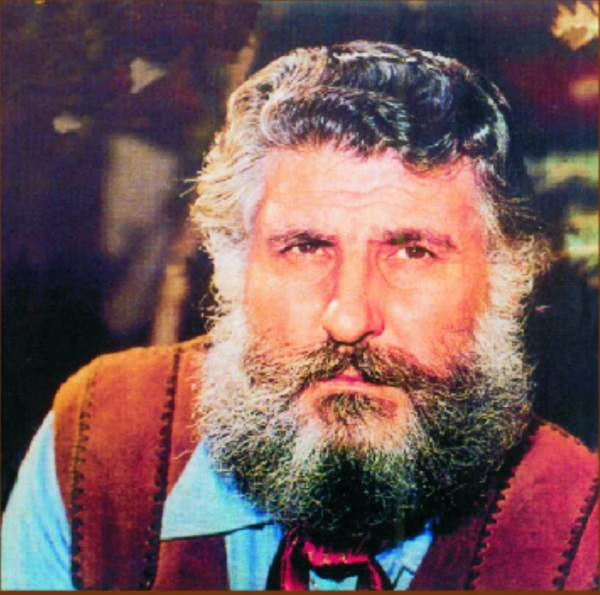
    Herencia pa’ un Hijo Gaucho

    Jose larralde

    José Larralde, one of Argentina’s most respected folk singers and poets, is often described as a payador in the purest sense of the word. His songs are deeply rooted in the traditions of the Argentine pampa. They stand as testimonies of rural life, social struggle, and cultural identity. Among his most evocative compositions is “Herencia pa’ un hijo gaucho” (“Inheritance for a Gaucho Son”). This piece distills his worldview and offers insight into his broader artistic project. Through this work, Larralde not only reaffirms his commitment to gaucho traditions but also articulates the challenges, dignity, and values of rural Argentina.

    Herencia pa’ un hijo gaucho — Selected Translation

    (Opening testament)

    “Son, I don’t leave you riches,
    not even a roof or a bit of land.
    My inheritance is poor,
    but it’s honest, and it’s yours.”

    (On dignity and poverty)

    “Don’t bow your head for being poor,
    because poverty isn’t shameful.
    Shame is in being a coward,
    or forgetting who you are.”

    (Advice on work and honesty)

    “Always earn your bread with your hands,
    even if it’s little, even if it’s hard.
    Better to live from your sweat
    than from another man’s gift.”

    (On justice and respect)

    “Be fair, even with the rich,
    but don’t let yourself be stepped on.
    Respect others, son,
    and demand they respect you.”

    (Closing legacy)

    “This is the inheritance I leave you:
    my word, my blood, my example.
    I have no gold to hand down—
    only the truth of being a gaucho.”

    The Gaucho as Symbol and Reality

    In Argentine cultural history, the gaucho has long been a central figure—half-mythic, half-real—embodying independence, resilience, and connection to the land. From the epic poem Martín Fierro by José Hernández to the music of Atahualpa Yupanqui, the gaucho has served as a metaphor for the nation’s soul and its struggles against injustice. Larralde situates himself firmly within this lineage. Unlike romanticized portrayals of gauchos as carefree wanderers, his work emphasizes the social conditions, poverty, and injustices endured by rural workers. He speaks not from a folkloric distance but from lived experience. Larralde himself laboured in rural trades before turning fully to music.

    “Herencia pa’ un hijo gaucho”: More Than a Legacy

    In “Herencia pa’ un hijo gaucho,” Larralde presents a father’s testament to his son. However, the “inheritance” is not material wealth—it is values, dignity, and a moral code rooted in honesty and perseverance. He frames poverty not as a source of shame but as a condition that sharpens character. What the gaucho father leaves behind is not land or cattle. It is the wisdom of survival: humility before nature, solidarity with one’s peers, and resistance to exploitation.

    This inversion of inheritance—away from property and toward principles—challenges modern values of materialism. Crucially, it places the weight of cultural transmission not on possessions but on ethos. For Larralde, the true legacy of the gaucho is a worldview forged in hardship. This legacy can sustain a son even when economic inheritance fails.

    The Social and Political Undercurrents

    Larralde’s work, though often couched in the intimate tones of fatherly advice or poetic reflection, is never far from social critique. His songs expose the precarious lives of rural workers. They address their displacement by modernization and the erosion of communal traditions. In this sense, “Herencia pa’ un hijo gaucho” is not only a personal song. It is also a collective lament. The song serves as a call to preserve cultural dignity amid social inequality.

    Unlike more commercialized strands of folk music, Larralde resisted mainstream industry pressures. He seldom granted interviews, avoided self-promotion, and preferred to let his music speak for itself. This integrity resonates with the very values he espouses in his song: authenticity, humility, and loyalty to one’s roots.

    Continuity with Folk Tradition

    Larralde’s artistry cannot be separated from the broader Argentine folk tradition. Like Atahualpa Yupanqui, he saw music as an instrument of testimony and resistance. Yet, his style is starker, less adorned, and more direct. He often relies on his voice and guitar alone. This simplicity gives his work a raw power. It provides an oral inheritance that mirrors the very content of “Herencia pa’ un hijo gaucho.” The sparse musical backdrop ensures that the weight of the words falls squarely on the listener. It evokes the atmosphere of the payada. In this way, meaning is carried more by word than by melody.

    Conclusion

    “Herencia pa’ un hijo gaucho” is both a song and a philosophy of life. In it, José Larralde redefines inheritance as the transmission of values, not possessions. He asserts the dignity of those who, though poor, carry within themselves the wisdom of endurance and honesty. His broader body of work continues this project: giving voice to the voiceless, preserving the cultural memory of the gaucho, and critiquing the injustices that threaten rural communities. In doing so, Larralde affirms that the true wealth of Argentina’s countryside is not its cattle or land, but the human spirit forged under its vast skies.

  • The Role of Folk Songs in Latin America

    Introduction

    In Latin America, folk songs have been more than just cultural artifacts or entertainment. They have acted as powerful instruments of resistance, identity, and social change. Rooted in Indigenous, African, and mestizo traditions, these songs have carried the voices of marginalized peoples across generations. During oppression, folk songs become protest anthems; in times of reform and revolution, they served as unifying cries for justice. To understand the trajectory of Latin American social struggles, one must listen closely to its folk music.


    Folk Songs as the Voice of the People

    Folk music in Latin America has long given voice to communities excluded from mainstream political discourse. Music was the vehicle through which farmers, miners, Indigenous groups, and workers, who lacked access to mass media or political platforms, spoke of their stories. Ballads, corridos, and cantos populares narrated local histories, injustices, and everyday experiences. Folk songs preserved oral traditions while giving visibility to collective suffering and resilience. In this way, folk music functioned as a “people’s newspaper,” spreading awareness and preserving cultural memory.

    Bolivia’s Savia Andina, highlighting the struggles of miners in the country

    Resistance in Times of Oppression

    During the 20th century, especially under authoritarian regimes, folk songs became a lifeline of resistance.

    The great Mercedes Sosa, The Voice of Latin America, singing an antiwar song with Leon Gieco.
    1. Chile: Under Augusto Pinochet’s dictatorship, the Nueva Canción Chilena movement was brutally repressed, with the assassination of Víctor Jara symbolizing the risks of artistic dissent. This is why songs, such as Te Recuerdo Amanda, became enduring emblems of resistance.
    2. Argentina: During the military junta of 1976–1983, singers like Mercedes Sosa risked censorship and exile for performing songs that denounced injustice. Her rendition of Sólo le pido a Dios became a transnational anthem for human rights.
    3. Brazil: Folk and popular musicians like Chico Buarque wove critiques of military rule into allegorical lyrics, resisting censorship while galvanizing opposition.

    In all these cases, songs communicated forbidden truths and kept alive the hope of liberation.


    Identity, Culture, and Solidarity

    Folk music has always been deeply tied to questions of identity. Latin American folk music reflects the continent’s diverse cultural heritage by blending Indigenous instruments like the quena, charango, and bombo legüero with African and European rhythms. By affirming cultural roots, these songs fostered pride in local traditions and strengthened solidarity across diverse groups.

    Shared singing at rallies, union meetings, and marches created collective identity. The act of singing together transformed individuals into communities of struggle, reinforcing belonging and determination in the face of adversity.


    Mobilization and Protest

    The accessibility of folk songs made them ideal tools for mobilization. Their simple structures and memorable lyrics allowed communities to quickly learn and transmit them. Protest movements across Latin America—from peasant land reform campaigns to student uprisings—used folk songs as rallying cries.

    In Mexico, corridos told of revolutionary heroes like Emiliano Zapata and Pancho Villa, inspiring generations of activists. In Central America, folk music carried messages of solidarity, such as in El Salvador and Nicaragua, where songs reinforced the legitimacy of popular resistance.

    Nuestro Mexico, Febrero 23, song of Mexican victory — Antonio Aguilar

    The Nueva Canción Movement

    Perhaps the most iconic intersection of folk music and social struggle came with the Nueva Canción (New Song) movement of the 1960s and 1970s. Emerging simultaneously in Chile, Argentina, and other parts of Latin America, Nueva Canción fused traditional folk with explicitly political lyrics. Artists like Violeta Parra, Víctor Jara, Inti-Illimani, Quilapayún, and Mercedes Sosa created music that denounced imperialism, supported workers’ rights, and advocated for socialist ideals.

    Nueva Canción was not merely a musical genre but a cultural-political movement. It challenged the dominance of commercialized popular music, promoted grassroots traditions, and aligned itself with broader social struggles, from Indigenous rights to anti-colonial movements across the Global South.


    The great Horacio “Pueblo” Guarany. “Estamos Prisioneros Carcelero”

    Reclaiming History

    Folk songs also function as repositories of memory. They preserve languages, myths, and historical experiences that might otherwise be silenced. In Indigenous communities, music links past and present, anchoring struggles for cultural survival in deeply rooted traditions.

    By invoking ancestral instruments, melodies, and rituals, Latin American folk songs resist cultural erasure and colonial assimilation.Even after dictatorships fell, these songs continued to serve as reminders of sacrifice, resilience, and unfinished struggles. They are living archives that remind societies of their wounds and their capacity for healing.

    Denunciation

    The beautiful song by Horacio Guarany shows the resistance to a military regime during the “Guerra Sucia (Dirty War)” en Argentina during the military dictatorship of General Videla. Guarany, as other notable Argentinian artists were given 48 hours to abandon their country. As Guarany reminds us “Si se calla al cantor calla la vida, porque la vida misma es todo un canto”“If the singer is silenced, life itself is silenced because life is all a song.”

    We are prisoners,
    jailer.
    I of these clumsy bars,
    You from fear!
    for Where are you going, what are you not coming to? with me to push the door, there is no bell tower that rings Bis:
    like the river out there.
    for Like one who catches fire, the prisoners of fear walk,
    it’s no use running,

    Bis:
    if the fire goes with them.
    for I dont know. I don’t remember well what did the jailer want,


    I think a song of mine Bis:
    to endure the silence.
    for There is no one who buys him luck,
    to the owner of the padlocks,
    died with one eye open Bis:
    and nobody could close it.
    for I gave him a dove to the jailer’s son;
    they say he let her go just to see the flight.

    Bis:
    How beautiful the world is going to be of the jailer’s son!
    for It is true, many were silent
    when I was arrested,
    go with the difference,
    Bis:
    I imprison, they subjected.


    Global Resonance and Solidarity

    Latin American folk songs have transcended regional boundaries, resonating with global struggles for justice. During the 1960s–1980s, translations and performances spread songs of Nueva Canción to Europe, Africa, and North America. Artists like Joan Baez and Pete Seeger performed Latin American protest songs, linking them to civil rights, antiwar, and anti-apartheid movements.

    This international circulation not only raised awareness of Latin America’s struggles but also reinforced a sense of global solidarity among movements fighting imperialism, racism, and inequality.

    Joan Baez, The Night They Drove Old Dixie Down (1971)

    Conclusion

    Folk songs in Latin America are more than cultural heritage—they are instruments of struggle, identity, and hope. From corridos of the Mexican Revolution to the haunting ballads of Nueva Canción, these songs have united voices against dictatorship, inspired solidarity among the oppressed, and preserved the cultural memory of entire nations. They remind us that music is not neutral: it can challenge power, strengthen communities, and illuminate paths toward justice.

    As long as social struggles persist in Latin America, folk songs will continue to echo in plazas, marches, and gatherings—carrying the heartbeat of resistance across generations.

  • Quilapayún

    The Echo of Chile and a Dialogue with the World

    In this site we have previously mentioned that music and storytelling could be an avenue for understanding and acceptance. They also encourage denunciation of the human depravity which seeks to impose itself in this transitional period. This musical piece by Paul McCartney and an arrangement by Quilapayún shows that beauty can cross universes. These universes are as distinct as those between the New Chilean Song and the English creator in the form of classical music.

    Quilapayún is more than a band. They are an institution of cultural memory, one of the greatest voices of Latin America’s Nueva Canción movement, and a living example of how music can both embody national identity and transcend borders. From the streets of Santiago to exile in Paris, from peasant ballads to avant-garde collaborations, their journey spans almost six decades. And in the weave of their story, a surprising thread emerges: a resonance with The Beatles’ Paul McCartney and the baroque melancholy of Eleanor Rigby.

    Live performance of Eleanor Rigby

    Roots of a Movement

    Founded in 1965, Quilapayún took their name from Mapudungun, the Mapuche Indigenous language, roughly meaning “three beards.” Under the artistic direction of Víctor Jara, the group quickly aligned itself with Chile’s social and political awakening. Their repertoire merged Andean folk instruments—the quena (flute), zampoña (panpipes), and charango (small lute)—with classical guitar and choral arrangements.

    They were part of Nueva Canción Chilena, a movement not merely about style but about message. It aimed to give voice to workers, campesinos, and the oppressed. Songs such as “La Muralla” called for collective defense against tyranny. Meanwhile, “El Pueblo Unido Jamás Será Vencido” became one of the most powerful protest anthems of the 20th century.

    The European Classical Avant-Gardge

    Exile in France brought Quilapayún into direct contact with European composers experimenting with orchestral forms. Their collaborations with Luis Advis, a Chilean composer trained in both classical and popular traditions, already blurred boundaries. Advis’ cantatas placed Quilapayún within the lineage of Bach’s Passions and Stravinsky’s narrative works.

    Quilapayún also recorded with full symphony orchestras, experimenting with tonal colors that paralleled the avant-garde explorations of the 1970s—though always grounded in political narrative. While Stockhausen and Boulez sought abstraction, Quilapayún used similar tools to cement history and memory, giving the avant-garde a human face.

    The North American Protest Folk

    Across the Atlantic, Bob Dylan, Joan Baez, and Pete Seeger were also wielding music as social commentary. Yet while North American folk tended toward individual voices with guitar, Quilapayún offered a collective choral sound.

    This difference is striking: Dylan’s “Blowin’ in the Wind” asks questions in a singular, poetic voice; Quilapayún’s “La Muralla” builds a wall of voices, literally embodying collective defense. Both traditions, however, demonstrate how folk idioms could articulate dissent in the 1960s global wave of civil rights, anti-war movements, and decolonization.


    The Political Stage

    By the early 1970s, Quilapayún had become the cultural ambassadors of Salvador Allende’s Unidad Popular government. Their concerts were as much political gatherings as musical performances. The military coup of 1973 shattered this world. It forced the group into exile in France. Yet exile expanded their audience. Europe discovered Chile through their voices, and their albums carried the memory of repression to listeners worldwide.

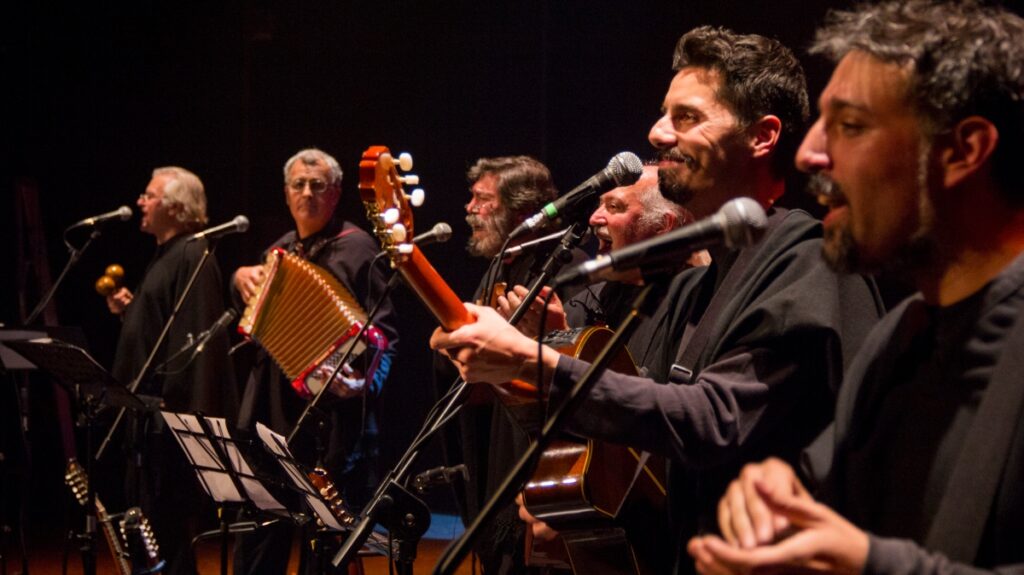
    Quilapayun in Concert in Chile.
    Quilapayún in Chile.

    In France, they deepened their repertoire, collaborating with orchestras, experimenting with classical forms, and engaging with intellectual circles. This openness to global influences created fertile ground for an unexpected confluence with Western pop traditions.


    Enter Paul McCartney and Eleanor Rigby

    At first glance, Quilapayún and The Beatles seem to inhabit different universes: one a politically charged collective rooted in folk traditions, the other the most famous rock band of all time. Yet, a closer listen reveals striking intersections—especially with Paul McCartney’s composition Eleanor Rigby (1966).

    Eleanor Rigby is often cited as The Beatles’ first leap into a neo-classical aesthetic. It is driven entirely by a string octet arranged by George Martin, with no guitars or drums. Its theme—the loneliness and anonymity of ordinary people—is timeless. It borders on liturgical in tone.

    Quilapayún, from their side, were creating a body of work in the late 1960s that shared these qualities. They made choral laments, chamber-like arrangements, and socially conscious storytelling. Consider the “Cantata Santa María de Iquique” (1970), Luis Advis’s monumental work recorded by Quilapayún. Like Eleanor Rigby, it frames everyday tragedy—the 1907 massacre of striking nitrate miners—within a musical architecture. This draws from classical and folk idioms alike.

    Both works elevate the ordinary and the forgotten into art that demands remembrance. McCartney’s lonely Eleanor and Father McKenzie, nameless in life, become eternal through song. Quilapayún’s workers, gunned down by soldiers, are immortalized in a cantata that blends oratorio with folk protest.


    Resonances Across Borders

    It is not documented that Quilapayún and McCartney directly collaborated—but musically and thematically, they were part of a shared global shift in the 1960s:

    • Away from formulaic pop toward serious, socially engaged art.
    • Toward using classical forms and instrumentation to tell modern stories.
    • Toward empathy for the anonymous and forgotten—be they British urban poor or Chilean nitrate miners.

    When Quilapayún performed in Europe during their exile, audiences steeped in The Beatles’ revolution found their music familiar yet radically different. The solemn harmonies of Eleanor Rigby prepared listeners to accept that a Latin American folk group could also stage tragedies with universal weight.


    Enduring Legacy

    Today, Quilapayún’s discography—over 30 albums—still resonates. Songs like “Por Qué Los Pobres No Tienen” interrogate inequality with relevance for today’s world. Meanwhile, Eleanor Rigby remains one of McCartney’s masterpieces, covered across genres and continents.

    Together, these works testify to a truth about the 1960s. Music, whether born in Liverpool or Santiago, had the power to humanize the invisible and to bind art with conscience. Quilapayún and McCartney may never have shared a stage, but their art shares a kinship—a commitment to amplifying voices drowned out by indifference.


    🎶 Suggested Listening & Viewing

    • Quilapayún – Cantata Santa María de Iquique (full recording, 1970)
    • Quilapayún – El Pueblo Unido Jamás Será Vencido
    • The Beatles – Eleanor Rigby (1966)
    • Compare: the use of strings in McCartney’s work and the use of choir + folk orchestra in Quilapayún

    Maya Riviera Condos

  • Mexican Folk Music

    Traveling Mexico Through Its Music: A Journey Into Folk Traditions

    To travel through Mexico is to travel through sound. Beyond its archaeological sites, colonial plazas, and celebrated cuisine, the country’s folk music offers one of the most authentic ways to understand its culture. These living traditions are not relics but thriving, evolving practices—performed at weddings, community gatherings, religious festivals, and public plazas. Each region has its own distinctive rhythm, shaped by centuries of Indigenous heritage and layered with Spanish, African, and European influences. For travelers, following these sounds across the country is like holding a cultural map written in song.

    Folk drawing

    Veracruz: The Soulful Strains of Son Jarocho

    Few places capture the fusion of cultures in Mexico as clearly as Veracruz, a port city where Spanish settlers, Indigenous peoples, and African slaves mingled. Out of this mix emerged son jarocho, a lively style that uses the jarana (a small guitar-like instrument), harp, requinto, and percussive footwork known as zapateado.

    The music thrives in the fandango—a communal gathering where musicians and dancers improvise verses and trade rhythms late into the night. The most famous song, “La Bamba,” became an international hit, but in Veracruz, it is just one among hundreds of songs, many improvised to reflect local humor or current events.

    Traveler’s Tip: Visit Tlacotalpan in early February for the Festival del Son Jarocho. The entire town becomes a stage, with street performances, dance, and food stalls creating a festival atmosphere along the banks of the Papaloapan River.


    Jalisco: The Homeland of Mariachi

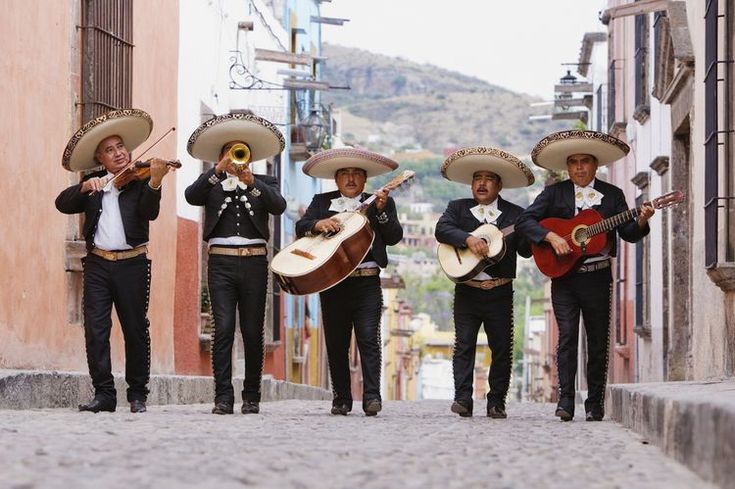
    When most people think of Mexican music, mariachi comes to mind. Originating in rural Jalisco in the 19th century, mariachi bands were originally small ensembles of violins, guitars, and the vihuela (a high-pitched guitar), later enriched by trumpets in the 20th century.

    Mariachi 1

    Mariachi is a music of celebration—serenades for lovers, patriotic hymns for Independence Day, and soundtracks for weddings and quinceañeras. The lyrics often celebrate love, land, and national identity, making mariachi one of Mexico’s strongest cultural symbols.

    Traveler’s Tip: Guadalajara, the capital of Jalisco, hosts the International Mariachi Festival each September, where top groups from around the world perform. For a more everyday experience, head to Plaza de los Mariachis, where local bands play nightly for diners and passersby.


    The North: Corridos, Norteño, and Banda

    The north of Mexico, stretching from Chihuahua to Nuevo León and beyond, offers a very different soundscape. European immigrants introduced the accordion, polkas, and waltzes in the 19th century, which blended with local traditions to form norteño and banda music.

    The corrido, a ballad that tells stories of heroes, tragedies, and social struggles, became especially popular during the Mexican Revolution. Even today, corridos narrate migration experiences, local legends, and political events. Banda, meanwhile, with its brass-heavy arrangements, provides the soundtrack to town festivals and rodeos.

    Traveler’s Tip: Monterrey is a hotspot for norteño music, with live venues ranging from dance halls to neighborhood cantinas. The Feria de San Marcos in Aguascalientes each spring is also a major showcase for regional bands.


    Oaxaca and Guerrero: Indigenous and Afro-Mexican Rhythms

    The southern states are some of the richest regions for traditional music, where Indigenous languages and Afro-Mexican communities preserve centuries-old sounds. In Oaxaca, sones and jarabes accompany traditional dances at village festivals. In coastal Guerrero and Oaxaca, the Chilena reflects influences from South America, brought by Chilean sailors in the 19th century and infused with Afro-Mexican rhythms.

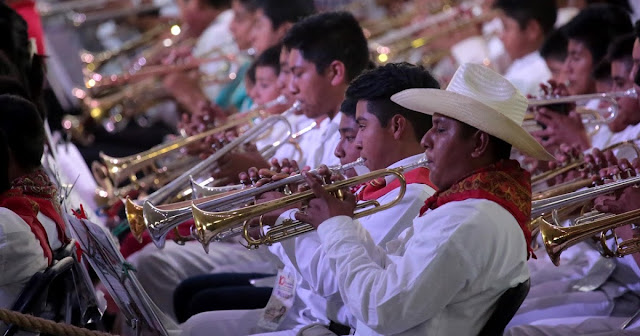
    Bandas de musica oaxaca

    The music here often accompanies communal celebrations, religious rituals, and Indigenous festivals. The Guelaguetza festival in Oaxaca every July is one of the most vibrant showcases of this musical diversity, where each Indigenous group presents its music, dances, and costumes.

    Traveler’s Tip: Plan your visit to Oaxaca in July for Guelaguetza, or explore smaller village fiestas throughout the year. These are often open to visitors and offer intimate opportunities to hear music in its traditional setting.


    Why Folk Music Matters to Travel in Mexico

    For travelers, Mexico’s folk music is not just background—it is part of the experience. The sounds you hear in a plaza, at a market, or during a fiesta carry centuries of history. Unlike staged performances, community events invite participation: clapping, dancing, or even joining in the singing.

    • Accessibility: Unlike museum exhibits, folk music is often free and public, found in plazas, markets, and festivals.
    • Cultural Insight: Lyrics and styles reflect local concerns—migration in the north, Indigenous identity in the south, or love and patriotism in central regions.
    • Living Tradition: Rather than fading, folk music continues to evolve. Young musicians blend it with rock, hip hop, or jazz, ensuring its survival and relevance.

    Planning Your Musical Journey

    • Best Festivals:
      • Festival del Son Jarocho (Veracruz, February)
      • International Mariachi Festival (Guadalajara, September)
      • Guelaguetza (Oaxaca, July)
      • Feria de San Marcos (Aguascalientes, April–May)
    • Everyday Experiences:
      • Nightly mariachi performances in Guadalajara and Mexico City’s Plaza Garibaldi.
      • Small-town fandangos in Veracruz.
      • Banda and norteño in Monterrey clubs and border towns.
      • Village fiestas in Oaxaca and Guerrero.
    • What to Listen For:
      • Strings: Jarana, vihuela, guitarrón.
      • Brass: Trumpets and tubas in banda.
      • Rhythm: Zapateado (foot-stomping) that makes the floor itself an instrument.
      • Language: Verses often improvised, humorous, or deeply political.

    Final Note
    Mexico’s folk music is not a performance staged for tourists—it is a cultural heartbeat that continues to define communities across the country. By seeking it out respectfully, travelers gain more than entertainment: they gain connection. From the fandangos of Veracruz to the brass of Sinaloa, from the violins of Jalisco to the chilenas of Guerrero, the music invites you not just to listen, but to belong.

  • James Keelaghan

    Canada’s Master Storyteller in Song

    In the landscape of Canadian folk music, few voices carry the depth of history, compassion, and craft quite like James Keelaghan. Often referred to as “Canada’s finest songwriter,” Keelaghan has built a career weaving together ballads that blend personal reflection with the sweeping arcs of historical narrative. As a true master storyteller, James Keelaghan: Master Storyteller, his songs are as much chronicles of human resilience as they are musical experiences, earning him recognition at home and abroad.

    James Keelaghan performing Kiri’s Piano.

    Early Life and Roots in Folk

    Born in Calgary, Alberta in 1959, Keelaghan grew up surrounded by the wide prairies and big skies of Western Canada. Those landscapes, along with a love for literature and history, would later shape the themes of his songwriting. He began performing in Calgary folk clubs during the 1980s, quickly gaining attention for his powerful voice and keen ability to tell stories through song. James Keelaghan, the master storyteller, truly began to emerge here.

    A Career of Craft and Care

    Keelaghan’s discography spans more than a dozen albums, each offering a thoughtful balance of original work and interpretations of folk traditions. His music often draws from historical events—such as the haunting ballad Cold Missouri Waters, which recounts a tragic wildfire, or Jenny Bryce, which evokes life in early Canadian settlements. He has cemented his place as a master storyteller.

    Beyond history, Keelaghan writes about contemporary struggles, love, migration, and the human spirit. His warm baritone voice, paired with his lyrical precision, makes his songs feel both timeless and urgent.

    Recognition and Influence

    Over the years, Keelaghan has earned Juno Awards, international festival appearances, and a devoted following across North America, Europe, and Australia. Critics and fans alike often note his unique ability to transform research and lived experience into deeply moving narratives, placing him in the company of the great folk storytellers of our time. Indeed, James Keelaghan stands as a master storyteller in modern folk music.

    He has also collaborated widely, working with artists like Oscar López in the energetic project Compadres, which blended Latin rhythms with folk storytelling. These collaborations highlight his openness to musical dialogue and cultural exchange.

    Educator and Advocate

    In addition to performing, Keelaghan has contributed significantly to the folk community as an educator and festival organizer. He served as the artistic director of the Summerfolk Music and Crafts Festival in Ontario, where he championed both established and emerging voices in folk music. His work reflects a belief in folk as a living tradition—one that evolves while honoring its roots. Such dedication enhances his legacy as a master storyteller.

    The Legacy of a Troubadour

    For more than three decades, James Keelaghan has proven that folk music can be both beautiful and meaningful, carrying with it stories that might otherwise be forgotten. Whether on a small stage or before festival crowds, he brings listeners into the heart of a tale—reminding us that songs can be vessels of memory, empathy, and shared humanity.

    Keelaghan’s career continues to inspire not only for the music itself but for the way it connects people across generations and cultures. In every verse, he upholds the enduring power of storytelling, ensuring that history sings as much as it speaks, all under the guise of James Keelaghan: master storyteller.

  • Inti-Illimani: The Eternal Voice of Chilean Memory and Resistance

    Inti-Illimani: The Eternal Voice of Chilean Memory and Resistance

    When we talk about music that transcends borders and generations, Inti-Illimani always comes to mind. More than just a musical group, they represent a cultural and political movement. This movement is rooted in the dreams, struggles, and resilience of Latin America.

    Founded in 1967 by university students in Santiago, Chile, Inti-Illimani became one of the leading voices of the Nueva Canción Chilena (New Chilean Song) movement. This artistic wave sought to recover and modernize traditional Andean music. It blended indigenous instruments and melodies with lyrics about justice, love, and social change. With instruments like the charango, quena, zampoña, and guitar, Inti-Illimani created a sound unmistakably their own. It was simultaneously rooted in the past and reaching toward a better future.

    Their name carries symbolic weight: “Inti” means sun in Quechua, while “Illimani” is the name of a snow-capped mountain in Bolivia’s Andes. Together, the words evoke the timeless bond between nature, culture, and human dignity.

    But history gave Inti-Illimani a role far larger than music. On September 11, 1973 (on what has been termed The First 9/11) while the band was on tour in Europe, Chile suffered the military coup that toppled the democratically elected President Salvador Allende. Unable to return to their homeland under Augusto Pinochet’s dictatorship, Inti-Illimani lived in exile in Italy for more than 15 years. Instead of silencing their voices, this forced displacement amplified them. Their concerts became gatherings of solidarity. Their albums served as a reminder to the world of Chile’s suffering and hope. They transformed grief into harmony, exile into connection.

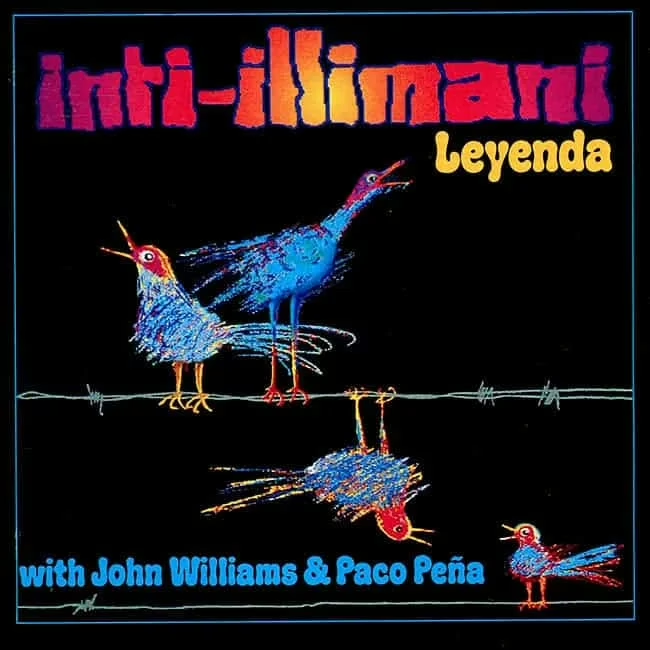
    Inti·illimani john williams paco pena leyenda 1990

    Over the decades, Inti-Illimani’s discography has woven together songs of resistance, folklore, and poetry. Classics like El pueblo unido jamás será vencido became anthems of global protest. They were sung far beyond Chile’s borders. Their music inspired not only Latin American movements but also international audiences. These audiences recognized in their songs a universal longing for freedom.

    Today, the legacy of Inti-Illimani remains vibrant. Despite lineup changes and the passing of years, the group continues to perform. They adapt to new times while staying true to their essence. Their music has become part of the collective memory of Chile and the broader Latin American diaspora. It stands as a living testimony that art can endure dictatorship, exile, and generations of change.

    At its heart, Inti-Illimani is not only about music—it is about identity, struggle, and the ability of song to heal and unite. They remind us that every note can carry a story. Additionally, every story can echo across mountains, borders, and time itself.

    Maya Riviera Condos

  • Folk Music – Huajra

    In this site we published a video with a song titled Huajra. This piece is a wonderful example of traditional songs from Latin America, selected to reflect the beauty of Latin American music. Created by Atahualpa Yupanqui, the theme reflects the dry corn harvest in Yupanqui’s Argentina. Atahualpa traveled extensively by horse (or mule) through the mountains of Argentina and this solitude is what he recognized as the trigger for this capacity to create poetry and to speak of the simple life of Argentinians.

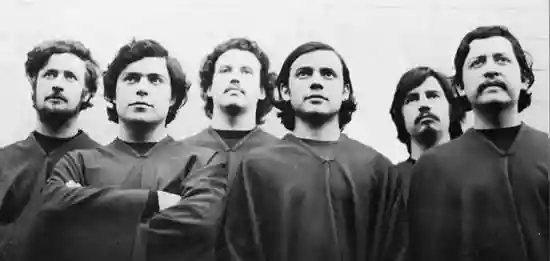
    Inti illimani
    Italian Formation

    The Chilean group Inti-Illimani (Mountain of the Sun) arranged Huajra and added Charangos (the Indian guitar), and quenas (Indian flute) in addition to percussion instruments. This traditional folk song has been performed in scenarios across the globe and showcases the integration of music from different parts of the Americas, performed by master musicians. Inti-Illimani’s convergence with other musical traditions (such as Italian folk music) is recognized world-wide in songs such as “La Tarentelle” and “El Mercado de Testaccio

    I hope you enjoy this song and don’t forget to click on other compositions by these masters of the Latin American traditional folk songs.

    Maya Riviera Condos

Maya Riviera Condosx
Chatbot