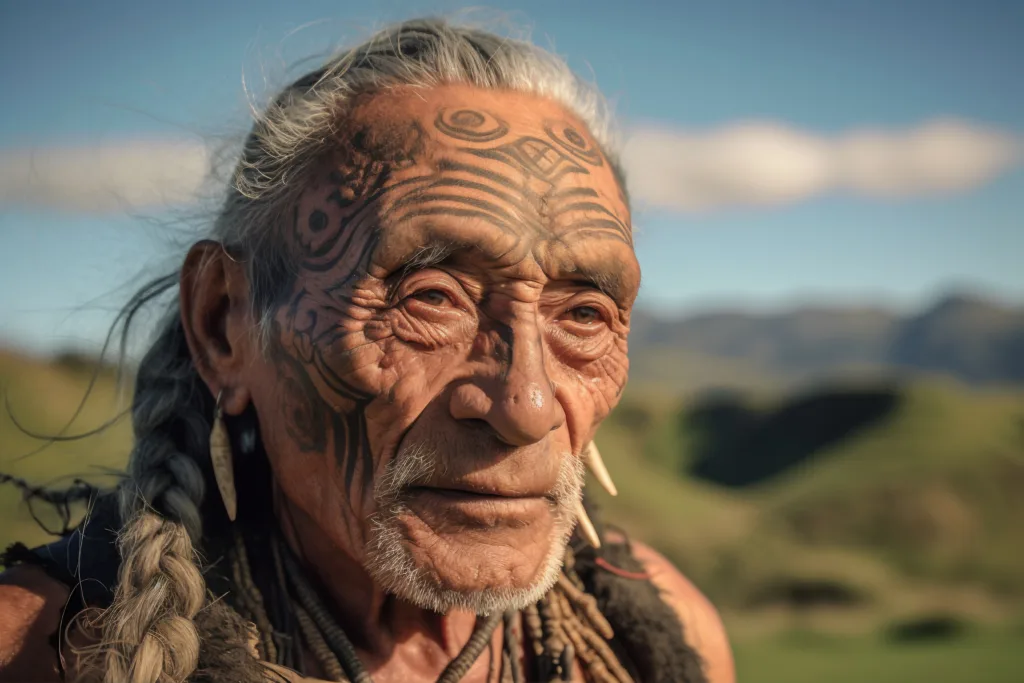
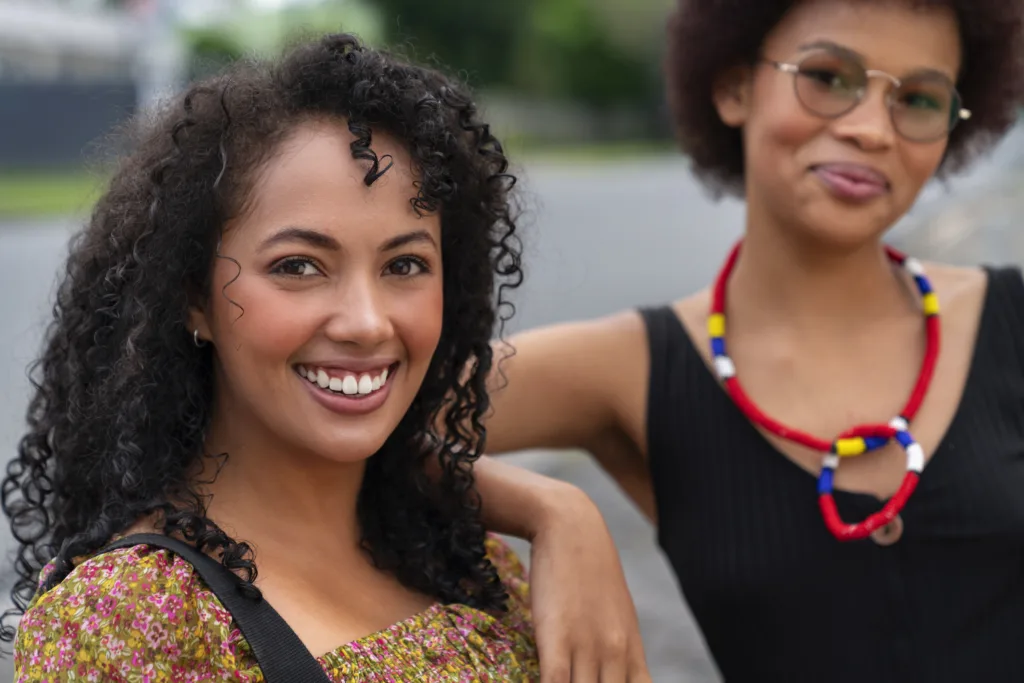
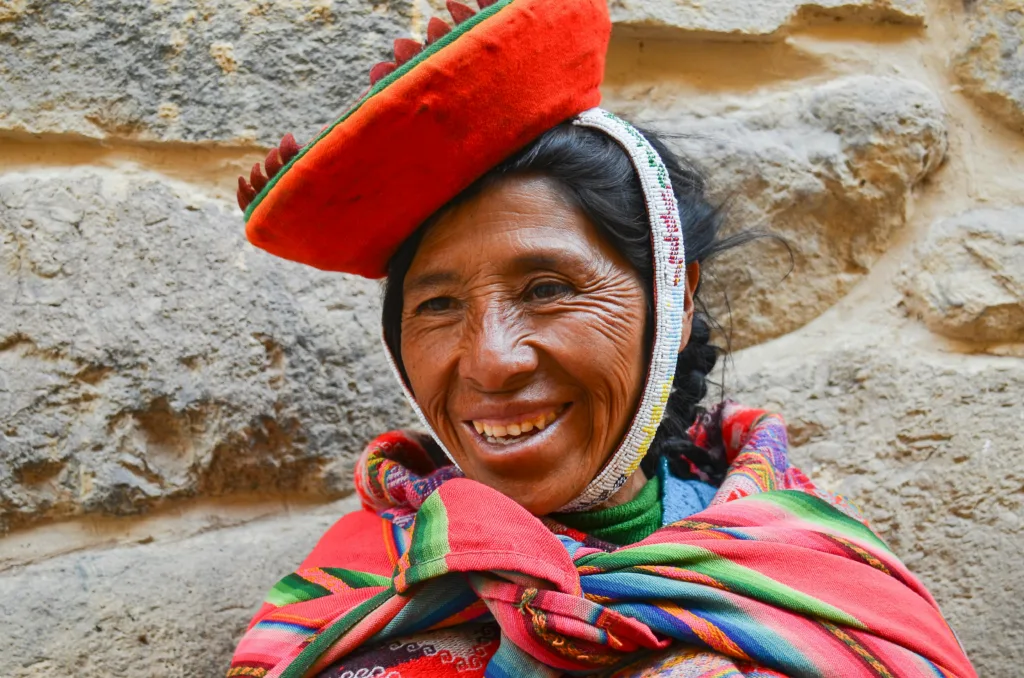
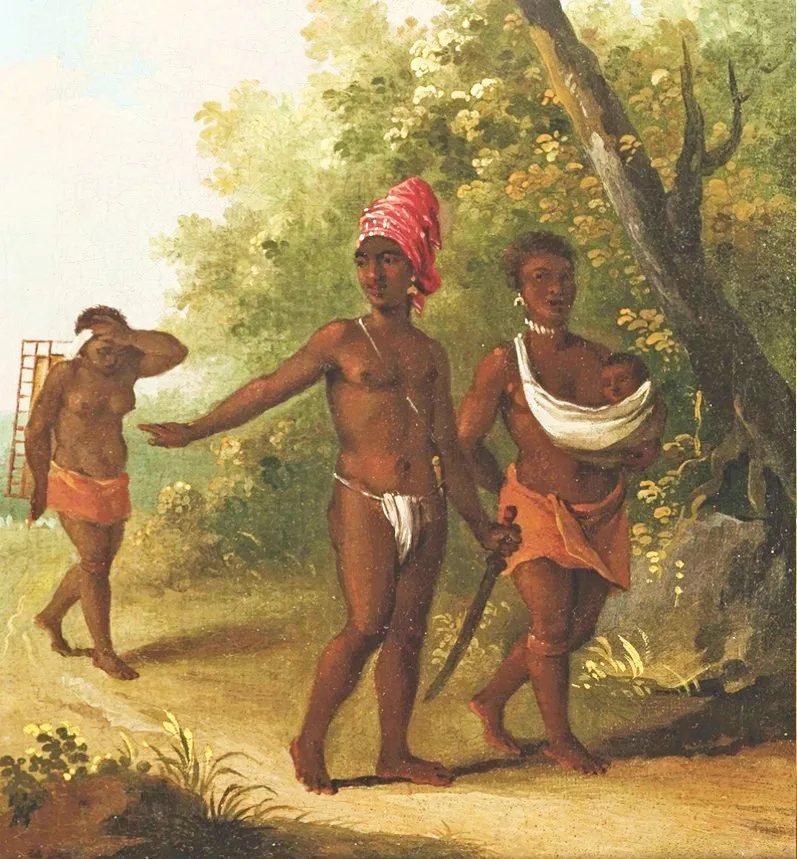
Our site is fundamentally respectful of the Indigenous peoples that populated the Americas (and YES! there is more than one America) long before Vikings and Spaniards “discovered” the continent. These people today continue their struggles to keep their territories, cultures, and ways of being, and stop the pillage which has been imposed over centuries of colonialism.
Colonial powers may change, their intentions and brutality do not.
This is why in this site we pay homage to Indigenous wisdom, culture, traditions and ownership of the vast territory they share with us. As stewards of the environment, Indigenous peoples have a lot to share about caring for the environment and protection from the unrelenting assault to the Americas.
The Haida people of western Canada like to remind us that: “We do not inherit the earth from our ancestors, we borrow it from our children.”
This is why we will undertake to publish a series of articles that will show the richness and diversity of Indigenous cultures in the Americas, their struggle and spirit of resistance. We do not intend to be exhaustive with this exposé–we aim for readers to do their own research. Today more than ever Indigenous people should be an inspiration to fight unrestricted capitalism, ignorance, and the pseudo-supremacy that today seeks to impose itself with the advent of the Ugly Imperialist.
As described by the Kuna of Panama, Indigenous peoples are more than just present, they are at the centre of a justice and freedom rebuilding process in our societies. Indigenous’ peoples beliefs have been negated for too long.
Others have spoken for Indigenous peoples and “have imposed their political ideologies upon us“. “[Kunas] are very conscious that the struggle for justice will not be achieved by Indian people alone. An alliance with other oppressed sectors is necessary. However, this alliance should emerge from an atmosphere of respect for our differences“.
There are more than 40,000,000 people in Latin America and the Caribbean that belong to the almost 600 indigenous peoples of the continent, many of whom are in Mexico, Peru, Guatemala, Bolivia, Chile and Ecuador. According to World Bank figures, 12.76% of the entire American population and approximately 40% of the rural population is indigenous.
In 2000 it was estimated that there are between 6 and 7 million of natives living in Central America (people with one African Caribbean or mestizo parent were also taken into account). The “Mesoamerican” languages and cultures extend from Yucatán and Chiapas in Mexico to Matambú on the Nicoya Peninsula in Costa Rica; and, Mesoamerican ethnic groups primarily inhabit the highlands and lowlands of Petén in Guatemala, with communities spread across Honduras, El Salvador, and Nicaragua.
A Rich Tapestry of Cultures, Struggles, and Resilience
In Latin America, Indigenous nations represent some of the region’s most significant cultural and demographic groups with deep historical roots that stretch back thousands of years. The history of Indigenous populations in the region is one of profound resilience, survival, and adaptation in the face of colonization, globalization, and modern-day challenges. This article is an introduction to a series of posts that will provide a more detailed view Indigenous peoples and the contemporary issues they face.
The Rich History and Cultural Diversity of Indigenous Peoples in Latin America
Pre-Colonial Civilizations
Before European colonization, the Americas were home to a vast number of Indigenous societies, each with its own distinct languages, traditions, and ways of life. In what is now Latin America, some of the most well-known pre-Columbian civilizations include:
- Aztecs (Mexica): Centered in modern-day Mexico, the Aztecs were known for their advanced agricultural systems, complex social structure, monumental architecture (such as the Templo Mayor), and vast trade networks. Their capital, Tenochtitlán, was one of the largest cities in the world at the time of Spanish arrival.
- Maya: The Maya civilization stretched across southern Mexico, Guatemala, Belize, Honduras, and El Salvador. The Maya were known for their advances in astronomy, mathematics, architecture, and the development of the only fully developed written language in pre-Columbian Americas.
- Incas: Spanning much of the Andean region, the Inca Empire was the largest empire in pre-Columbian America, with territories covering parts of modern-day Peru, Ecuador, Bolivia, Chile, Argentina, and Colombia. The Inca built an extensive network of roads, impressive stone structures (such as Machu Picchu), and sophisticated agricultural systems.
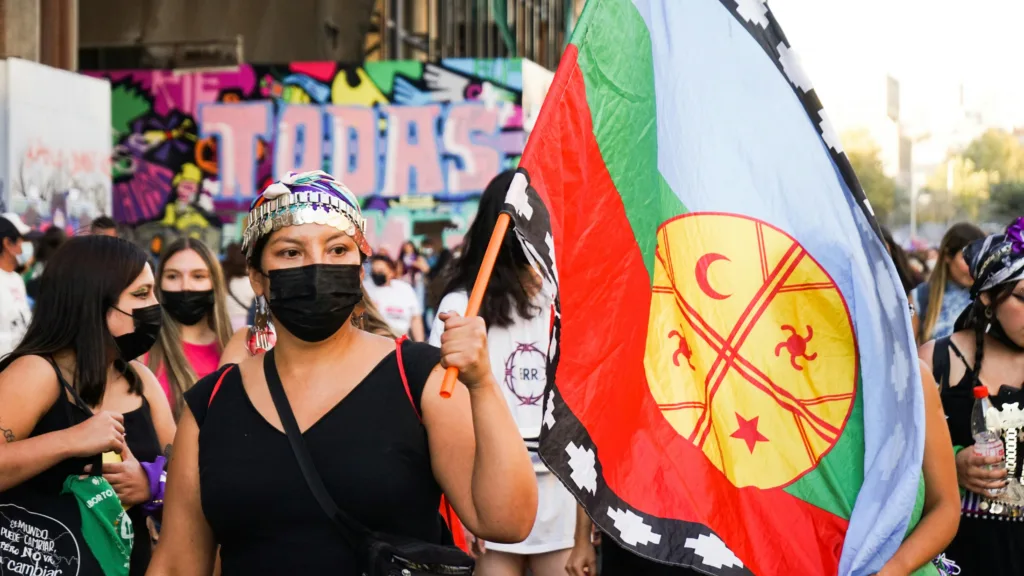
- Mapuches: Indigenous to Chile and Argentina, the Mapuche resisted Spanish colonization for centuries and continue to play a central role in regional politics and culture today.
- Guaraníes: Residing primarily in Paraguay and parts of Brazil, Argentina, and Bolivia, the Guaraní have a long history of farming, storytelling, and resistance to colonial and post-colonial forces.
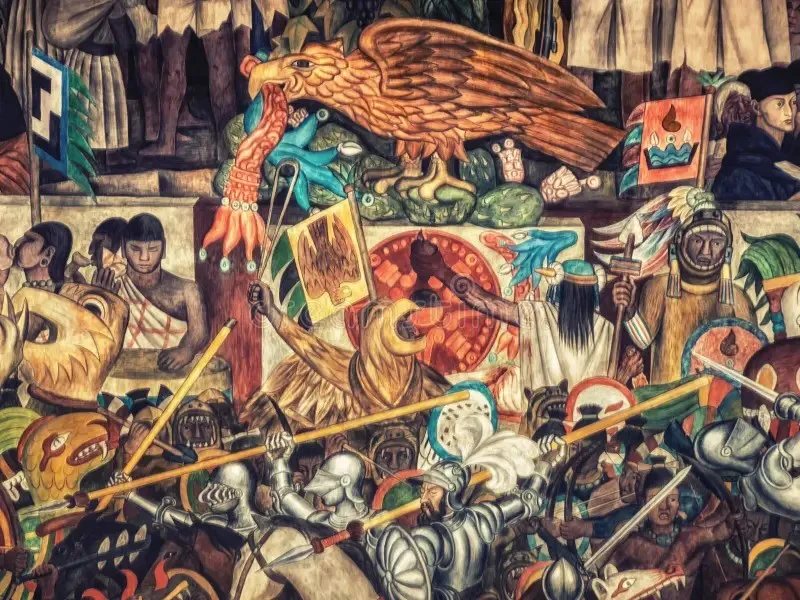
These civilizations, along with many others, were not monolithic. They were diverse in language, religion, and social structure, but they shared a deep connection to the land, with many societies emphasizing communal living, agricultural practices, and respect for nature.
The Impact of Spanish and Portuguese Colonization
When the Spanish and Portuguese arrived in the Americas in the late 15th and early 16th centuries, they encountered flourishing Indigenous civilizations. However, the ensuing colonization had a devastating impact on these societies.
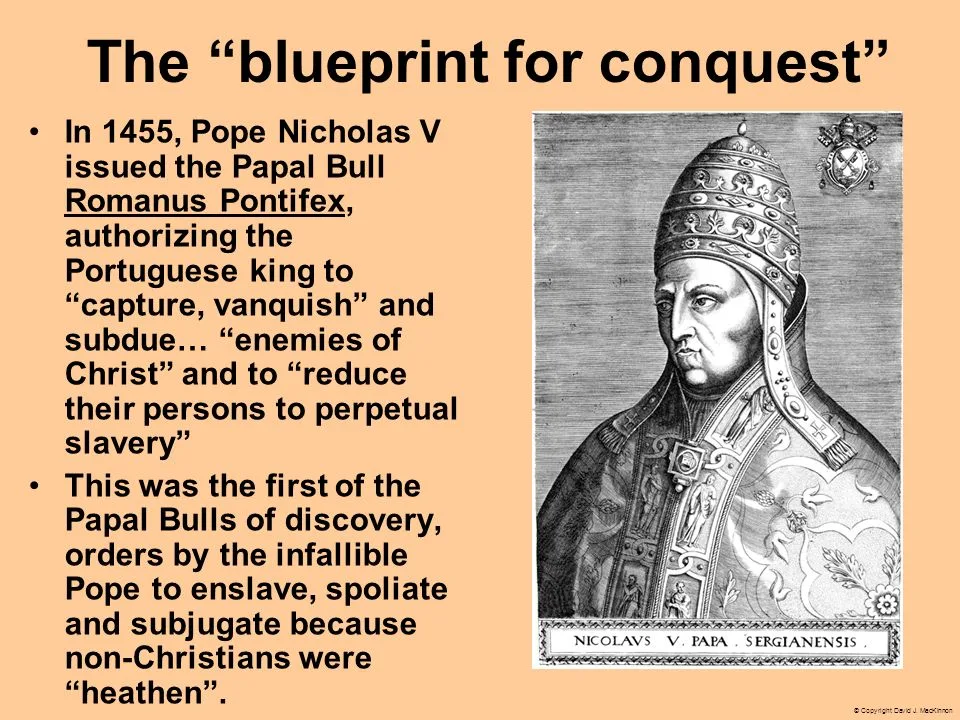
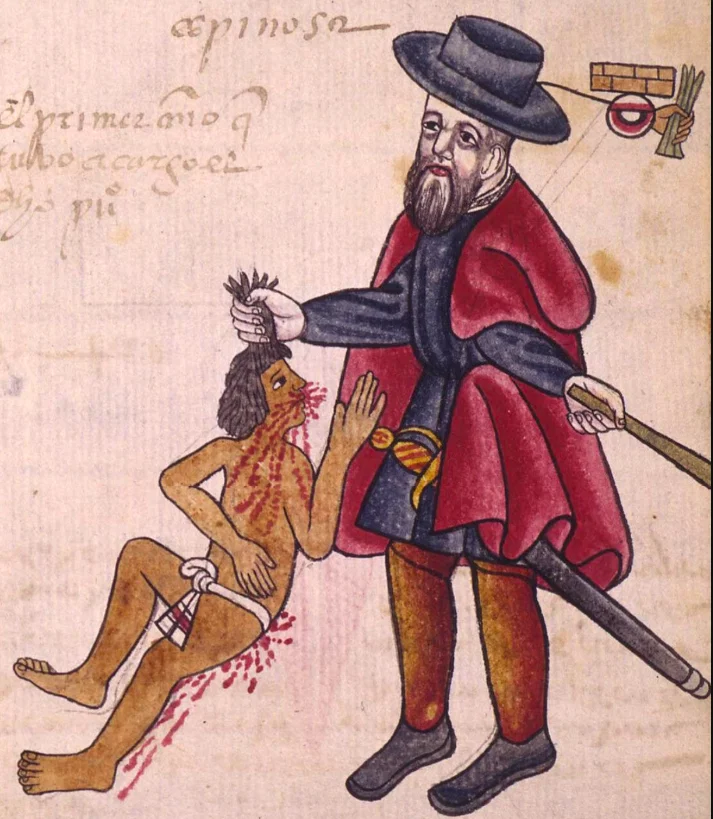
- The Decimation of Indigenous Populations: Diseases such as smallpox, influenza, and measles, brought by Europeans, decimated Indigenous populations, with some estimates suggesting that up to 90% of the Indigenous population died in the first century of contact. The forced labor systems, such as the encomienda in Spanish territories, also contributed to widespread suffering.
- Cultural Assimilation and Forced Conversion: The colonial powers imposed Christianity on the Indigenous peoples, often forcibly converting them to Catholicism and attempting to erase their traditional beliefs and practices. The destruction of sacred sites and the suppression of Indigenous languages and customs were also common during this time.
- Land Dispossession and Slavery: Europeans claimed Indigenous lands for farming, mining, and settlement. Indigenous people were either displaced or forced into servitude in the burgeoning colonial economies. The Spanish and Portuguese employed brutal systems of forced labor, such as the mita system in the Inca heartland, where Indigenous people were made to work in silver mines under inhumane conditions.
Never lose your child in your arms. Never suffer such pain. It will seem like the world is ending that something inside broke. There will be no pain that can overcome me the little Indian fell asleep. The black plague of the foreigner his laughter took away. Aya Marcay Quilla will bring him back but he won’t smile at me the sparkle in his eyes has already faded.
Contemporary Indigenous Peoples in Latin America
Demographics and Distribution
Today, Indigenous peoples in Latin America constitute a significant part of the region’s population. According to estimates from the Economic Commission for Latin America and the Caribbean (ECLAC), there are around 45 million Indigenous people in Latin America, accounting for approximately 8% of the total population. They live in every country of the region, with the largest concentrations in Mexico, Guatemala, Peru, Bolivia, Ecuador, and Brazil. Despite their numbers, Indigenous communities are often marginalized and face significant challenges.
Indigenous Languages
Four hundred Indigenous languages are spoken across the Americas. Some of the most widely spoken include Quechua, Aymara, Nahuatl, Guaraní, Mayan languages, and Mapudungun. However, many of these languages are at risk of extinction.
Cultural Continuity and Revitalization
In spite efforts to assimilate Indigenous populations, many communities have maintained and revitalized their cultural practices, languages, and traditional knowledge. In recent decades, there has been a cultural renaissance among Indigenous peoples, as they began to assert their identity and fight to preserve their heritage. This has included:
- Language Revitalization: Efforts to preserve and teach Indigenous languages in schools and communities have become an important part of the cultural renaissance. Some countries, such as Bolivia and Ecuador, have recognized Indigenous languages as official languages alongside Spanish.
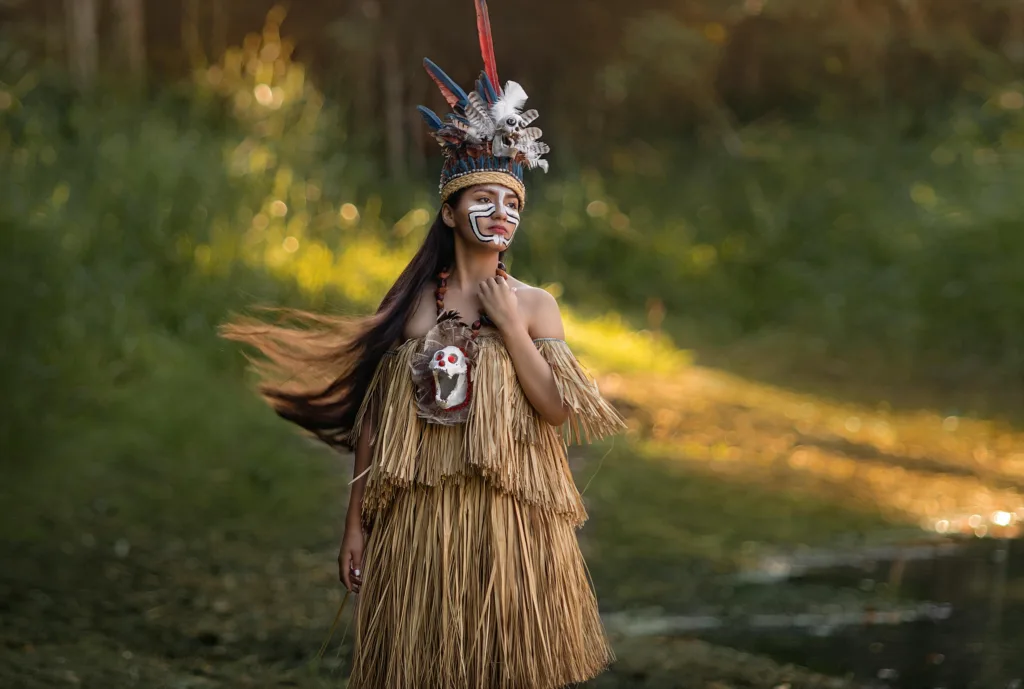
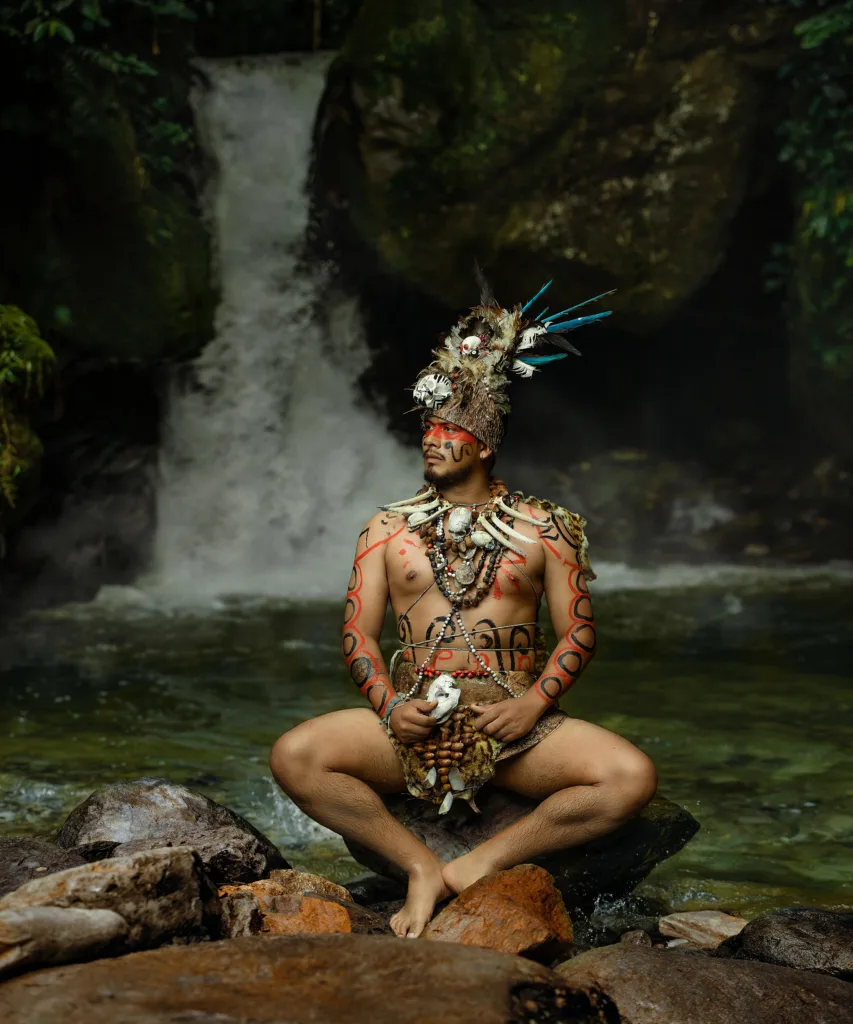
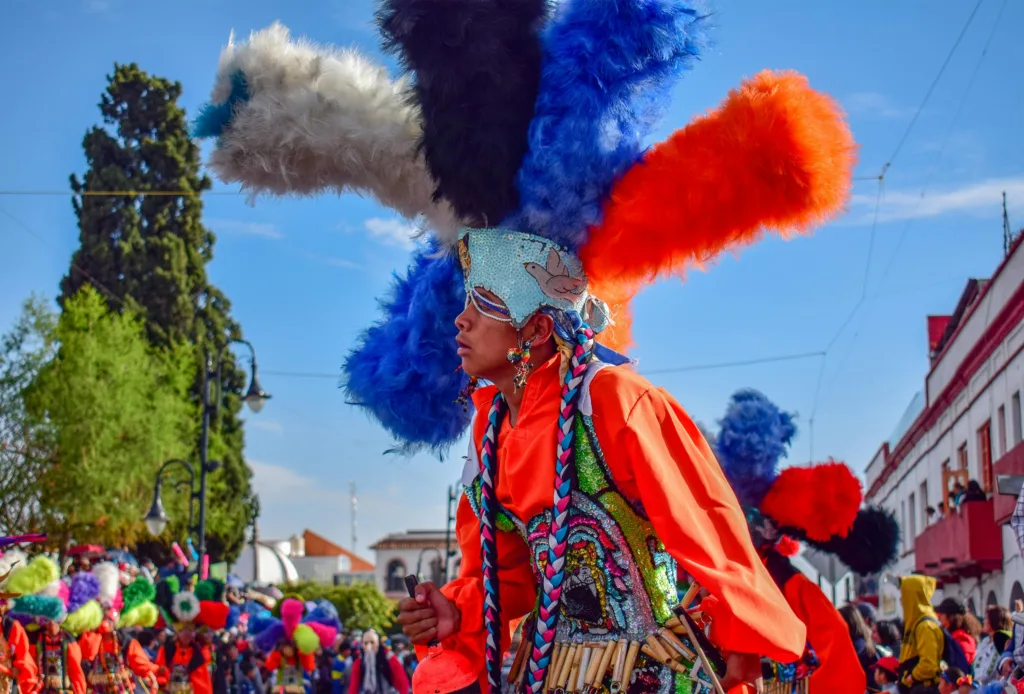
- Traditional Dress and Crafts: Many Indigenous groups continue to wear traditional clothing, especially during cultural celebrations and ceremonies. Textile arts, pottery, and weaving are also essential to many Indigenous economies and cultural practices.
- Spiritual Practices: Indigenous spiritual traditions, including animism, ancestor worship, and the use of sacred plants like ayahuasca and peyote, have been maintained in some communities, despite centuries of colonial and religious suppression.
Social, Political, and Economic Struggles
Land and Resource Rights
One of the most pressing issues for Indigenous communities in Latin America today is the fight for land rights. Many Indigenous peoples live on territories that are rich in natural resources, such as oil, gas, and minerals (lithium is the new gold rush), which makes them vulnerable to exploitation by governments and multinational corporations. These companies often seek to extract resources from Indigenous lands without proper consultation or compensation, leading to widespread land dispossession and environmental degradation.
Indigenous communities have fought for decades to protect their lands and have gained some legal victories. For example, in Bolivia, the Law of Indigenous Land and Territory (2009) recognized Indigenous peoples’ right to their ancestral lands. Similarly, Brazil’s Indigenous Land Act (1988) provides a legal framework for the protection of Indigenous territories. However, these laws are often undermined by political pressure from commercial interests.
Poverty and Marginalization
Indigenous peoples the Americas are disproportionately affected by poverty, lack of access to quality healthcare, education, and employment. According to a 2020 report by UNICEF, Indigenous children are more likely to suffer from malnutrition and lack access to education compared to their non-Indigenous peers.
Indigenous peoples often live in rural, isolated areas, limiting their access to social services and economic opportunities. Urbanization has also led to the displacement of many Indigenous people from their traditional lands, pushing them into slums in major cities, where they face discrimination and poor living conditions.
Political Representation
With notable exceptions, Indigenous peoples have been underrepresented in national governments, although notable strides have been made. In Bolivia, Evo Morales, an Aymara Indigenous leader, became the country’s first Indigenous president in 2006. His administration made significant advancements in Indigenous rights, including constitutional reforms recognizing the country as a plurinational state and granting collective land rights to Indigenous communities.
Other Latin American countries, such as Guatemala, Mexico, and Ecuador, have also seen Indigenous leaders rise to positions of political power, although systemic discrimination and challenges to Indigenous political participation persist.
Indigenous Movements and International Solidarity
Indigenous movements across Latin America have become more organized and vocal in recent decades, fighting for their rights and recognition. The Declaration on the Rights of Indigenous Peoples (2007), adopted by the United Nations, has become a key international document supporting Indigenous rights, emphasizing self-determination, cultural preservation, and land protection
Many non-governmental organizations (NGOs) and international bodies also work alongside Indigenous communities to support their struggles, though the fight for Indigenous rights is far from over. Challenges remain in the areas of land dispossession, environmental degradation, violence against Indigenous activists, and the fight for political autonomy.
Conclusion
The Indigenous peoples of Latin America have endured centuries of colonization, violence, and oppression, yet they have managed to preserve and adapt their cultures, traditions, and languages. Today, Indigenous communities continue to face significant challenges, including poverty, land dispossession, and marginalization, but they are also asserting their rights with increasing visibility and political power.
The resilience and determination of Indigenous peoples in Latin America serve as a testament to their enduring strength and cultural significance. As the fight for justice continues, it is clear that Indigenous communities will remain at the forefront of the region’s social, political, and cultural transformations.
Submit your review | |