
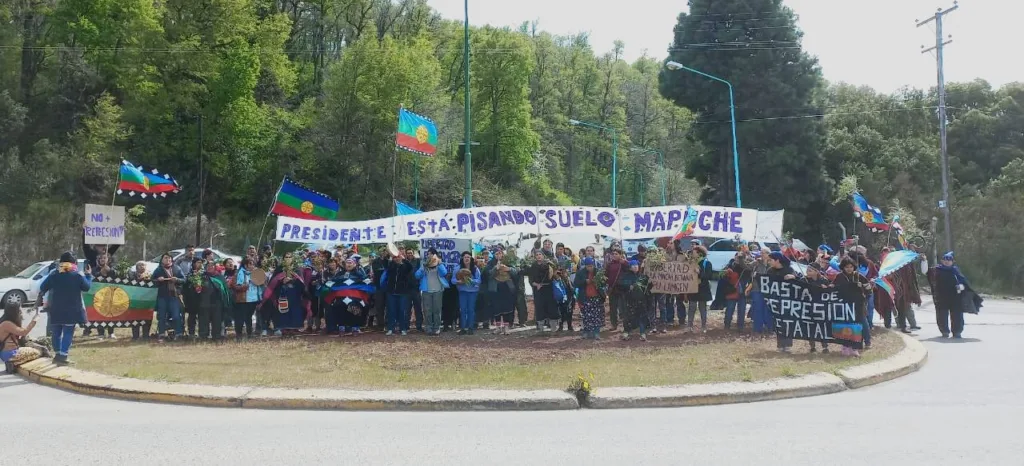
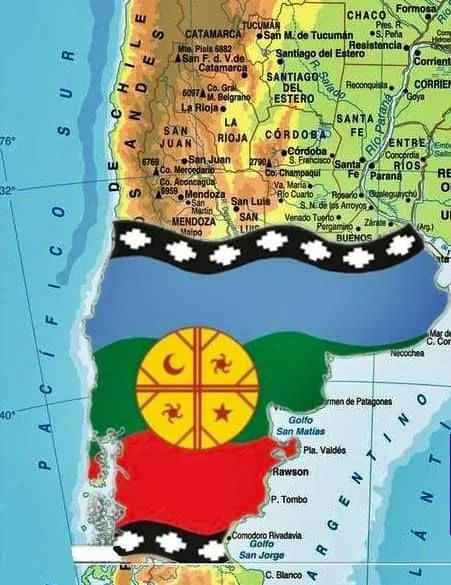
Mapuches (meaning Mapu-Land, and Che-people) are indigenous to South America, sharing areas of southern Chile and Argentina–Mapuche territory stretches from the central region to the south of Chile, covering parts of the Araucanía and Los Ríos regions. At closed to 1.8 million people, Mapuches are the largest Indigenous population in the Americas.
Historically known as Araucanos, Mapuches are one of three nations that cohabited the same region—the other two are Pihuelche and Huilliche.
Social Structure
The Mapuche social structure is both flexible and hierarchical, emphasizing kinship, community responsibility, and leadership. The Lof or Cavi (extended family group) is central to the Mapuche social structure. Each lof is typically composed of multiple families linked by blood, marriage, or adoption, who share communal land and responsibilities. The lof functions as an economic and social entity. Within the lof, Machis (traditional healers and religious leaders) hold significant authority, guiding decision-making and resolving disputes.
The lof is also the building block of larger social formations. Multiple lof units form a rehue, a territorial and ritual grouping that binds several families together through shared spiritual practices, particularly those associated with the Nguillatun–the most important ceremony that invokes fertility, health, and balance. These ceremonies reinforce the Mapuche Cosmo-vision of social bonds and collective responsibility, reflecting the principle that individual well-being is intrinsic to communal welfare.
Leadership and Authority
Leadership is based on wisdom, experience, and proven capability rather than rigid hierarchy. At the lof level, the lonko (chief) serves as the primary authority figure. The lonko is often an elder who represents the family group in negotiations, resolves conflicts, and ensures that traditions and customs are upheld. Selection of a lonko is typically consensual, relying on recognition of leadership qualities rather than inheritance alone.
In larger societal scales, lonkos form a council to make decisions affecting multiple lofs, particularly during times of crisis or war. This structure allowed the Mapuche to resists the Inca and later Spanish colonial forces. The council seamless demonstrates the intrinsic dynamics between social cohesion and political organization. Notwithstanding this coordinated leadership, Mapuche society remained decentralized, valuing autonomy and local decision-making.
The Mapuche and the Spanish Colonization
Mapuches have a long history of resistance to external forces. They successfully resisted the Spanish colonization, maintaining their independence during the colonial period. The Arauco War (1536–1818), a prolonged military conflict between the Mapuche and the Spanish, was one the longest resistance movement in the Americas. Among the most notable feats of this war is the great rebellion of 1598–1602, which ended with the temporary expulsion of the Spaniards from certain Mapuche regions. Despite the military superiority of the conquerors, the Mapuche resistance stood out for its bravery and organization, which slowed the Spanish advance in the territory.
Treaty of Quillén (1641)
In 1641, the Spanish Crown recognized Mapuche territorial rights through the Treaty of Quillén, marking a ceasefire and a diplomatic agreement between the Conquistadores and the Mapuches in southern Chile. The treaty, however, was limited in its application and was ultimately violated as the Spanish expansion continued. Notwithstanding, Mapuches were able to retain autonomy over a large portion of their ancestral lands, but the relationship between the Mapuche and the Spanish remained fraught with conflict.
Key points in the Treaty of Quillén:
- End of hostilities: Ending a long period of war between the Spanish and the Mapuche, bringing peace to the region.
- Mapuche autonomy: Guaranteed the Mapuche a large degree of autonomy over their territories, recognizing their right to govern their lands according to their own laws and customs.
- Respect for cultures: Fostering mutual respect for the cultures, allowing both parties to co-exist while maintaining their distinct identities.
- Diplomatic model: This treaty is often cited as an example of successful diplomacy, where dialogue and negotiation prevailed over military confrontation.
Treaty of Tapihue (1825)
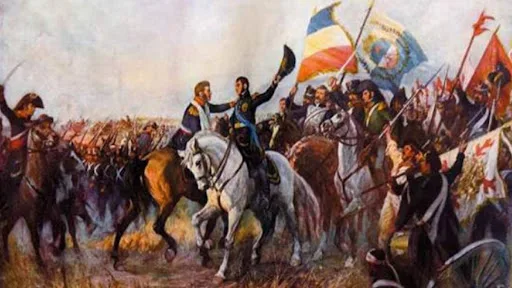
Chilean independence was declared on September 18th, 1818, following the Spaniard defeat in the Battle of Maipú. The nascent Chilean government moved to consolidate its power and this led to a period of uncertainty between the Mapuche people and the emerging Chilean state.
The Treaty of Tapihue, signed on January 7, 1825, marks a moment of peace and cooperation between the Chilean authorities and the Mapuche people. The treaty strengthened diplomatic relations and promoted peaceful co-existence after a period of conflict.
Key points in the Treaty of Tapihue:
- Mutual recognition: The treaty established mutual respect between the two parties, with official recognition of the territories and rights of the Mapuche.
- Peace and stability: By signing this treaty, both sides ended decades of conflict, thereby promoting peace and stability in the region.
- Trade and commerce: The Treaty paved the way for trade and cultural exchanges, benefiting both communities and strengthening economic ties.
These two treaties are central to the development of the Kingdom of Araucania and Patagonia and its Constitution, written by Orélie-Antoine I and the Mapuche Parliament. Differing from experiences like Canada, where treaties were reaffirmed by the Crown and were brought into common-law, the Mapuche experience with treaties and agreements is fraught with broken promises, failed negotiations, and continued resistance to this day.
The Post-Colonial Period: The Chilean State and Mapuche Lands
After Chile declared its independence from Spain in 1818, the new Chilean government sought to consolidate its control over the entire territory, including the Mapuche territories in the south of Chile. This process led to the “Pacification of Araucanía“ (1851–1883), a genocidal military campaign in which the Chilean state forcibly took control of Mapuche lands. Mapuche people were subjected to violent repression, and their territories were gradually annexed by the Chilean state.
During this colonizing period, the Mapuches lost significant portions of their ancestral lands, resulting in displacements and segregation to small plots of land. The Chilean government justified this land appropriation through a legal framework that ignored or dismissed Mapuche land rights. Many Mapuche communities, despite facing violence and dispossession, resisted (and continue to resist) the loss of their lands.
The “Boundary Treaty” of 1881
In 1881, during the Chilean consolidation of control over southern Chile, Chile and Argentina signed the Treaty of 1881 (November 12, 1881). The treaty was signed following a failed revolt by Mapuches, who sought securities for their land an culture. The agreement was controversial and not universally accepted and it failed to protect the Mapuche people’s ancestral lands in the long term.
In Chile, the Treaty of 1881 essentially formalized the loss of Mapuche territory under the auspices of Chile’s sovereignty. It divided Mapuche lands into parcels and sought to integrate the Mapuche population into the Chilean economy, but in practice, it led to a reduction in the size of their territory. The Mapuche viewed it as a dismantling of their sovereignty and many Mapuche leaders never accepted the terms of the treaty.
Modern Day: Land Conflicts and Mapuche Autonomy
In the modern context, the issue of the Mapuche and their lands remains one of the most contentious topics in Chilean politics. Following the end of the military dictatorship of Augusto Pinochet (1973–1990), the Chilean government recognized the importance of addressing Indigenous rights, but the solutions offered have often been inadequate or ignored by both the state and the private sector.
The Post-Pinochet Legal Framework: One of the main pieces of legislation that addresses the rights of Indigenous peoples in Chile is the Indigenous Law No. 19,253 (1993), which recognizes the rights of Indigenous people to their ancestral lands and grants them some degree of cultural and political autonomy. However, critics argue that the law has been insufficient in addressing the underlying issues of land restitution and full autonomy.
The Land Conflict and the Role of the State
Return of land, or Wallmapu, remains central to the ongoing Mapuche resistance. Land once held by the Mapuche has been appropriated for logging, agricultural, and mining projects, with little regard for the rights of the Indigenous people, and notwithstanding the Chilean ratification of the United Nations Declaration on the Rights of Indigenous Peoples (UNDRIP). Much of this land is now owned by large private corporations or the Chilean state.
Mapuche people rightly argue that the Chilean state has failed to honour past agreements and promises to return their ancestral lands. They view this failure as a breach of trust and ongoing colonization. Mapuches experience high levels of poverty and marginalization and they argue that this a direct consequence of the state’s policies of land appropriation and economic exploitation.
The Role of the Mapuche Autonomous Movement
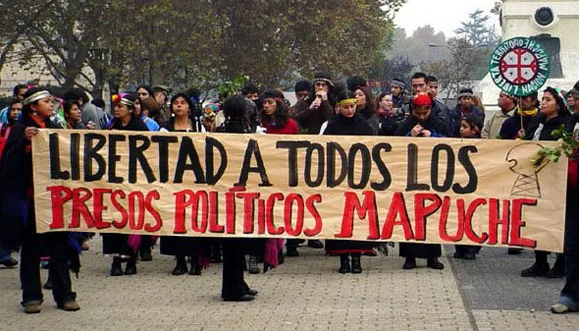
The Mapuche Autonomous Movement (or Mapuche Resistance) has become a central force in demanding self-determination, the return of lands, and the recognition of Mapuche culture and language. The movement advocates for the creation of an autonomous Mapuche territory and for recognition of the Mapuche people’s right to govern their own lands.
The movement has used various tactics, from peaceful protests to more confrontational actions like land occupations, road blockades, and attacks on logging and agricultural industries that are seen as exploiting Mapuche land. These tactics have led to tensions with the Chilean government, which has at times responded with military force and heavy policing.
Recent Developments: The 2020 Constitutional Process and the Mapuche
In 2020, Chile embarked on a constitutional reform process, which was sparked by widespread protests against inequality, corruption, and neoliberal economic policies first implemented under the Pinochet dictatorship. Indigenous rights were an important aspect of the country-wide protests.
In 2021, a significant step forward was made when a Mapuche woman, Elisa Loncón, was elected president of the Constituent Assembly, which is tasked with drafting the new constitution. This was a historic moment for the Mapuche people, as they were given a direct voice in the national constitutional process. Sadly, following an intensive campaign of fear and misinformation by the Chilean state, the media, and financial interests, the proposed constitution was defeated in a plebiscite.
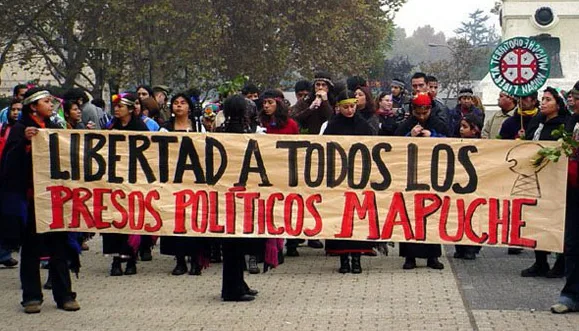
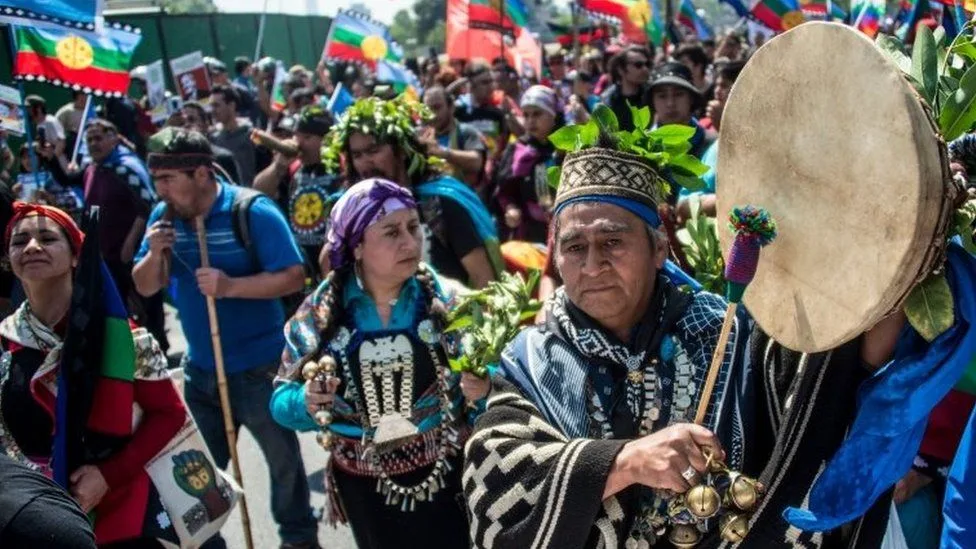
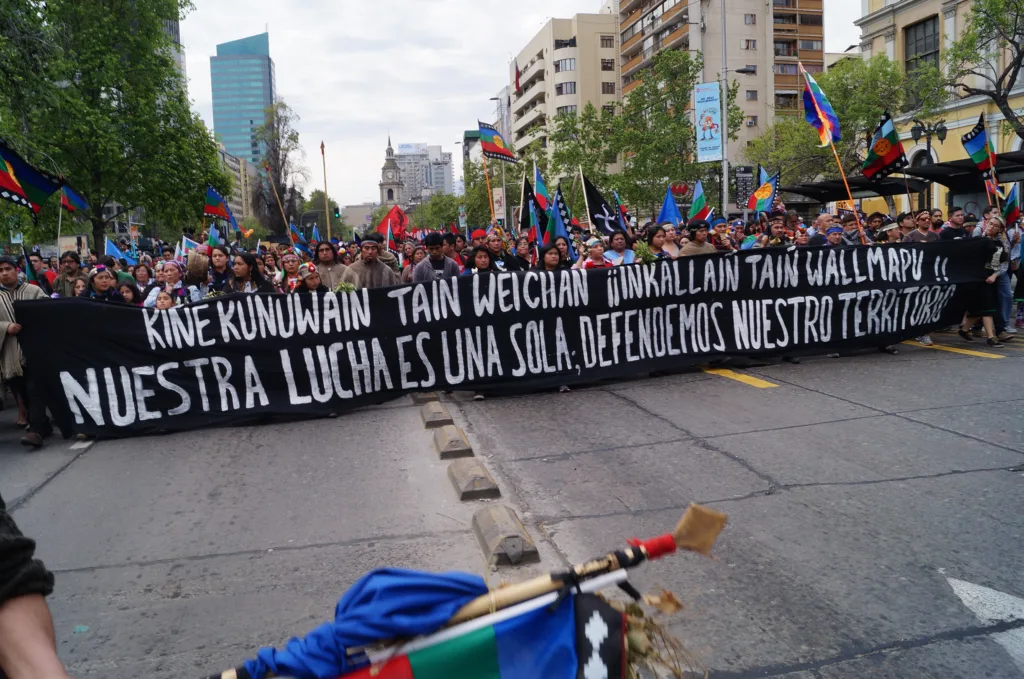
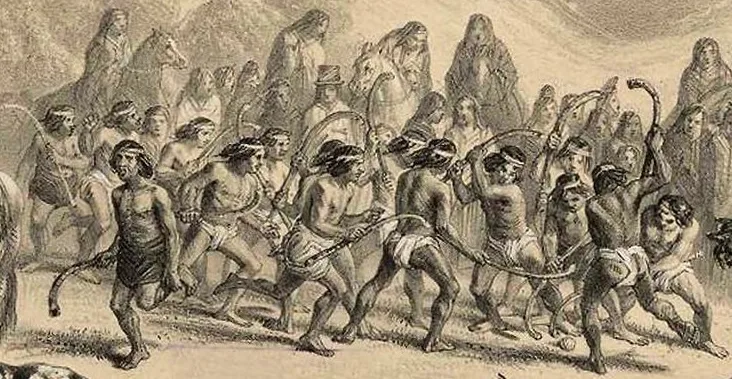
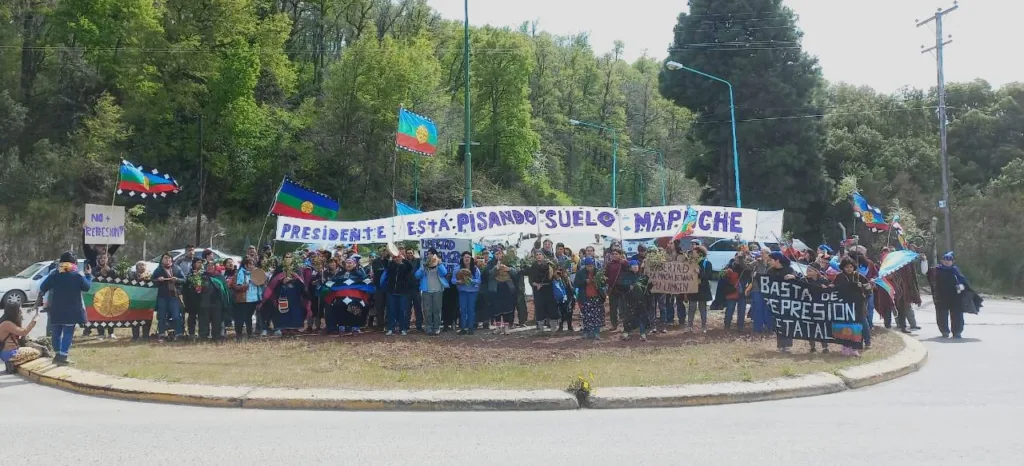
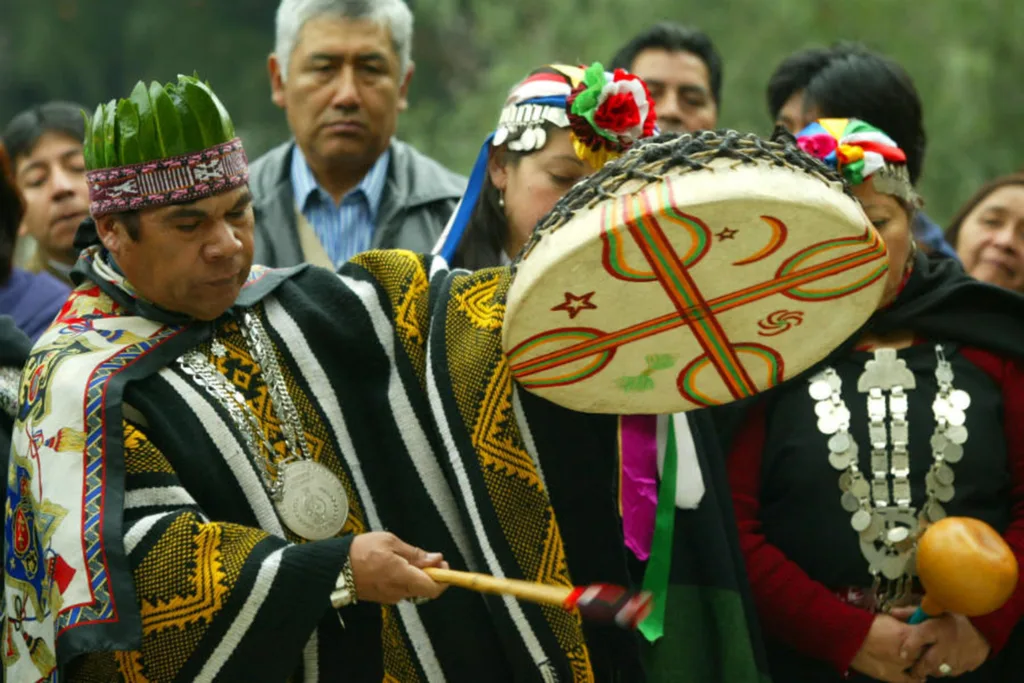
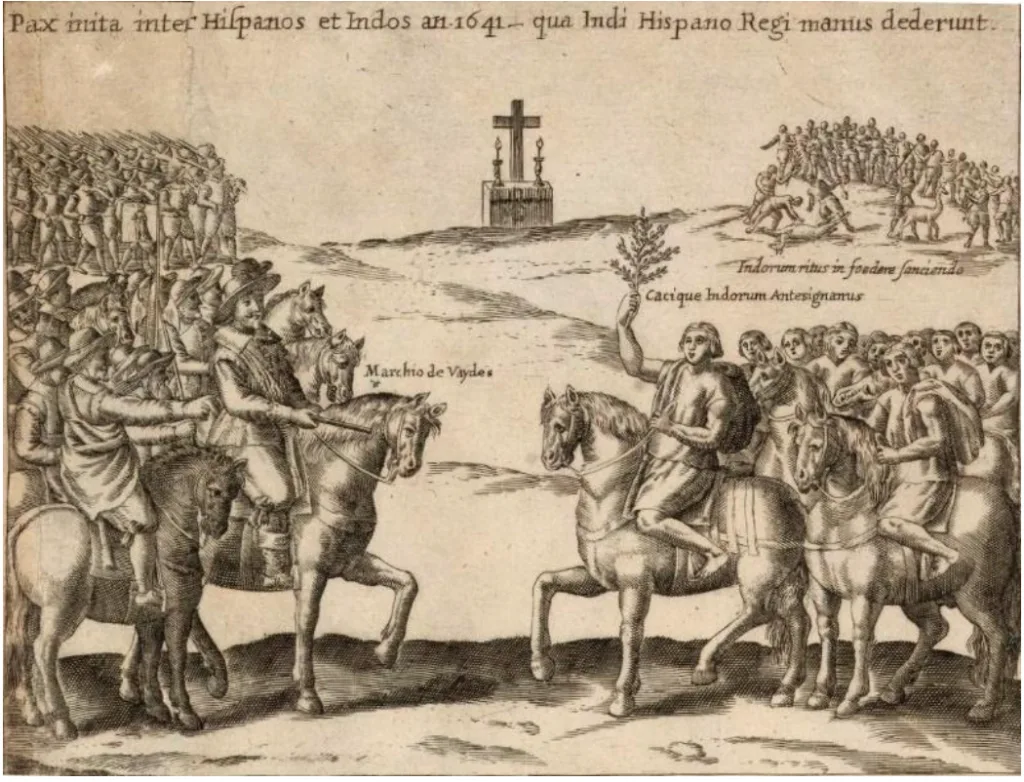
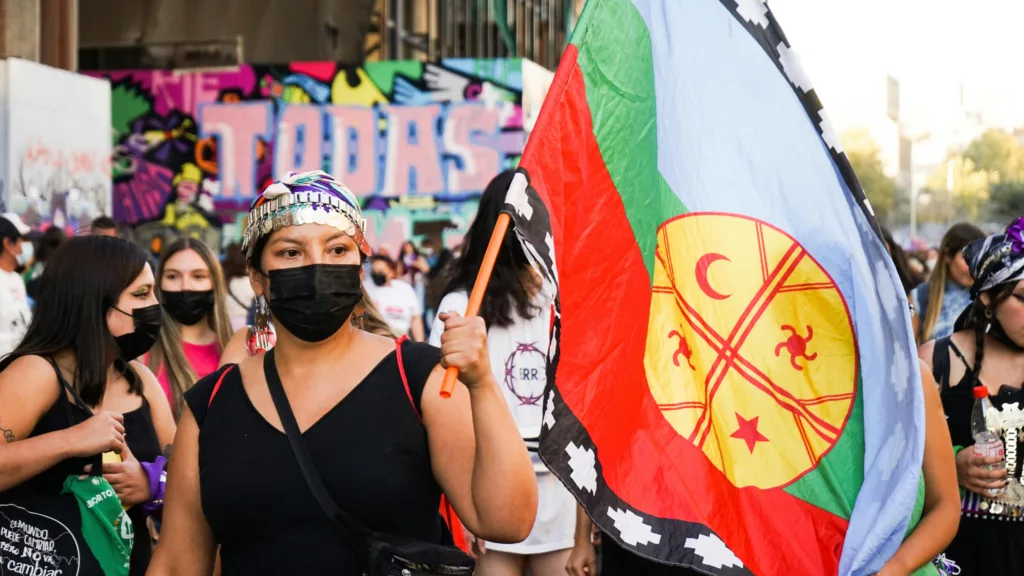
Mapuches in their historical anti-colonial struggle. Images show, among other things, historical context, and playing Palin, the original field hockey!
Notwithstanding this setback, ongoing calls for greater recognition of Indigenous rights, autonomy, and land restitution continue unabated and the Mapuche resistance maintains its historical strength. The Mapuche continue to advocate for the return of their ancestral territories and the recognition of their autonomy within the Chilean state.