Tag: Culture

  • Mapuches

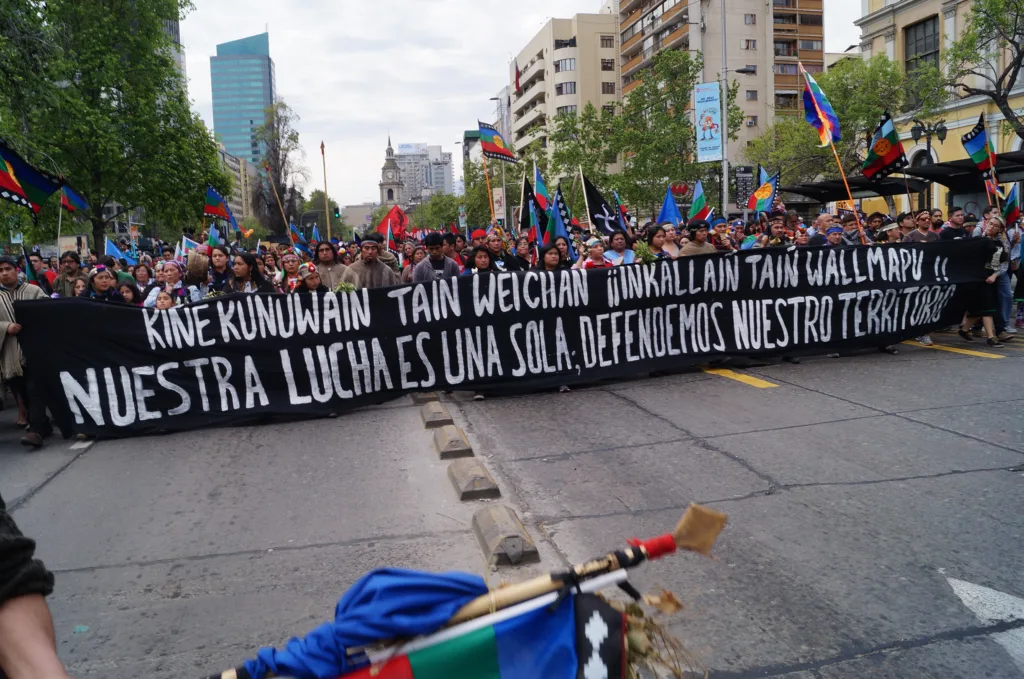
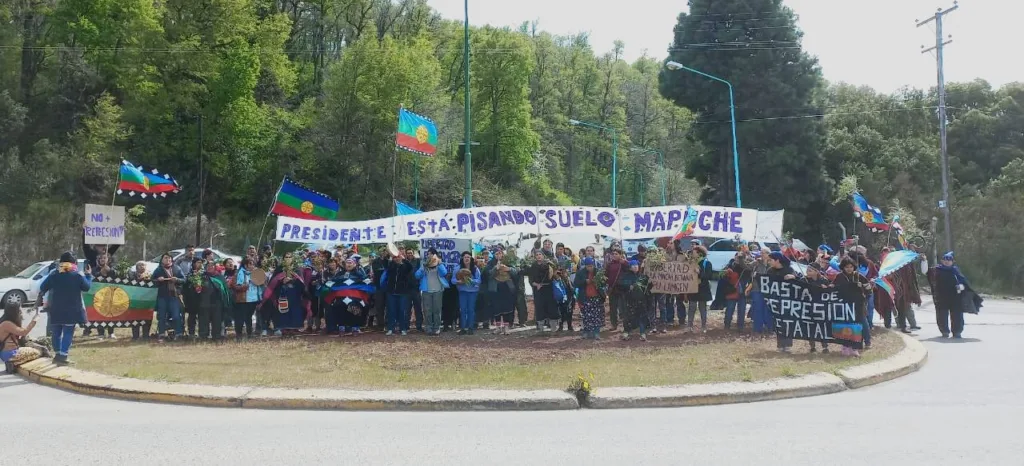
    Demo Presidente (laizquierdadiario.cl)

    Mapuches (meaning Mapu-Land, and Che-people) are indigenous to South America, sharing areas of southern Chile and Argentina–Mapuche territory stretches from the central region to the south of Chile, covering parts of the Araucanía and Los Ríos regions. At closed to 1.8 million people, Mapuches are the largest Indigenous population in the Americas.

    Historically known as Araucanos, Mapuches are one of three nations that cohabited the same region—the other two are Pihuelche and Huilliche.

    Social Structure

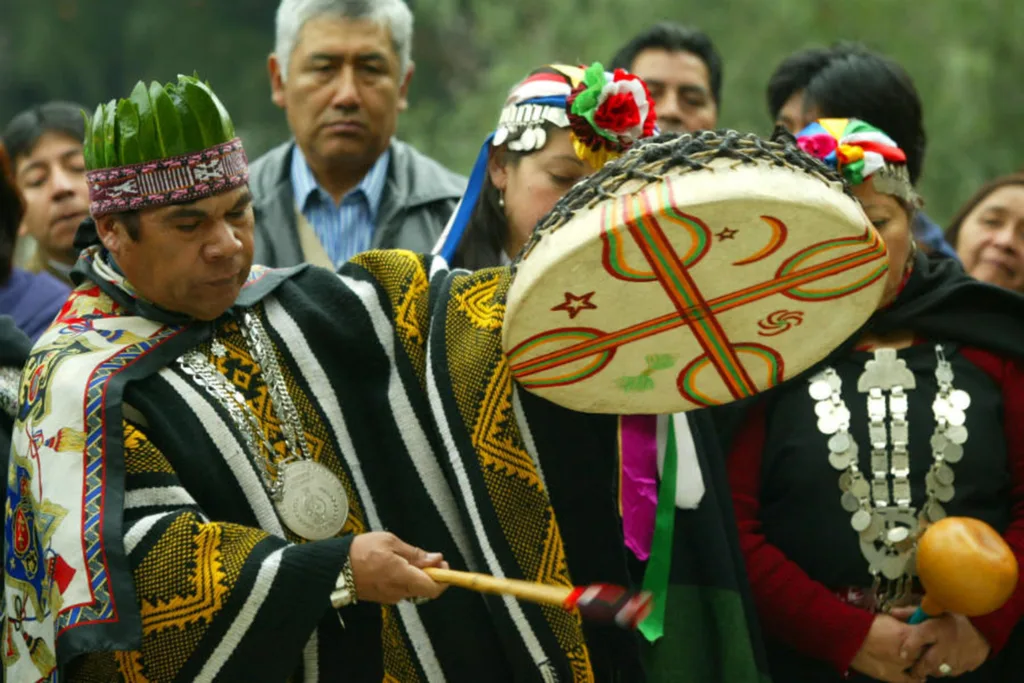
    The Mapuche social structure is both flexible and hierarchical, emphasizing kinship, community responsibility, and leadership. The Lof or Cavi (extended family group) is central to the Mapuche social structure. Each lof is typically composed of multiple families linked by blood, marriage, or adoption, who share communal land and responsibilities. The lof functions as an economic and social entity. Within the lof, Machis (traditional healers and religious leaders) hold significant authority, guiding decision-making and resolving disputes.

    The lof is also the building block of larger social formations. Multiple lof units form a rehue, a territorial and ritual grouping that binds several families together through shared spiritual practices, particularly those associated with the Nguillatun–the most important ceremony that invokes fertility, health, and balance. These ceremonies reinforce the Mapuche Cosmo-vision of social bonds and collective responsibility, reflecting the principle that individual well-being is intrinsic to communal welfare.
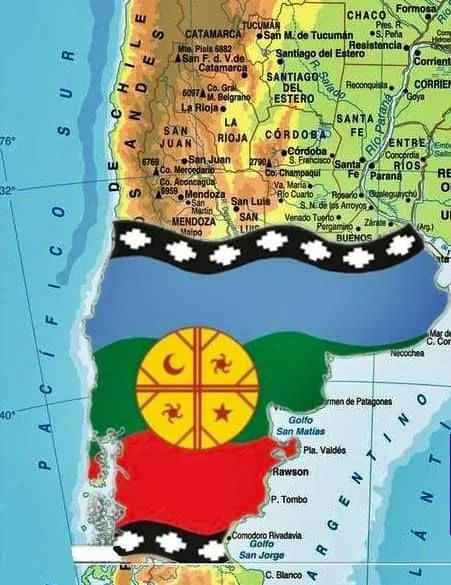
    Mapuland (amity tours)
    Map courtesy of Amity-Tours

    Leadership and Authority

    Leadership is based on wisdom, experience, and proven capability rather than rigid hierarchy. At the lof level, the lonko (chief) serves as the primary authority figure. The lonko is often an elder who represents the family group in negotiations, resolves conflicts, and ensures that traditions and customs are upheld. Selection of a lonko is typically consensual, relying on recognition of leadership qualities rather than inheritance alone.

    In larger societal scales, lonkos form a council to make decisions affecting multiple lofs, particularly during times of crisis or war. This structure allowed the Mapuche to resists the Inca and later Spanish colonial forces. The council seamless demonstrates the intrinsic dynamics between social cohesion and political organization. Notwithstanding this coordinated leadership, Mapuche society remained decentralized, valuing autonomy and local decision-making.

    The Mapuche and the Spanish Colonization

    Mapuches have a long history of resistance to external forces. They successfully resisted the Spanish colonization, maintaining their independence during the colonial period. The Arauco War (1536–1818), a prolonged military conflict between the Mapuche and the Spanish, was one the longest resistance movement in the Americas. Among the most notable feats of this war is the great rebellion of 1598–1602, which ended with the temporary expulsion of the Spaniards from certain Mapuche regions. Despite the military superiority of the conquerors, the Mapuche resistance stood out for its bravery and organization, which slowed the Spanish advance in the territory.

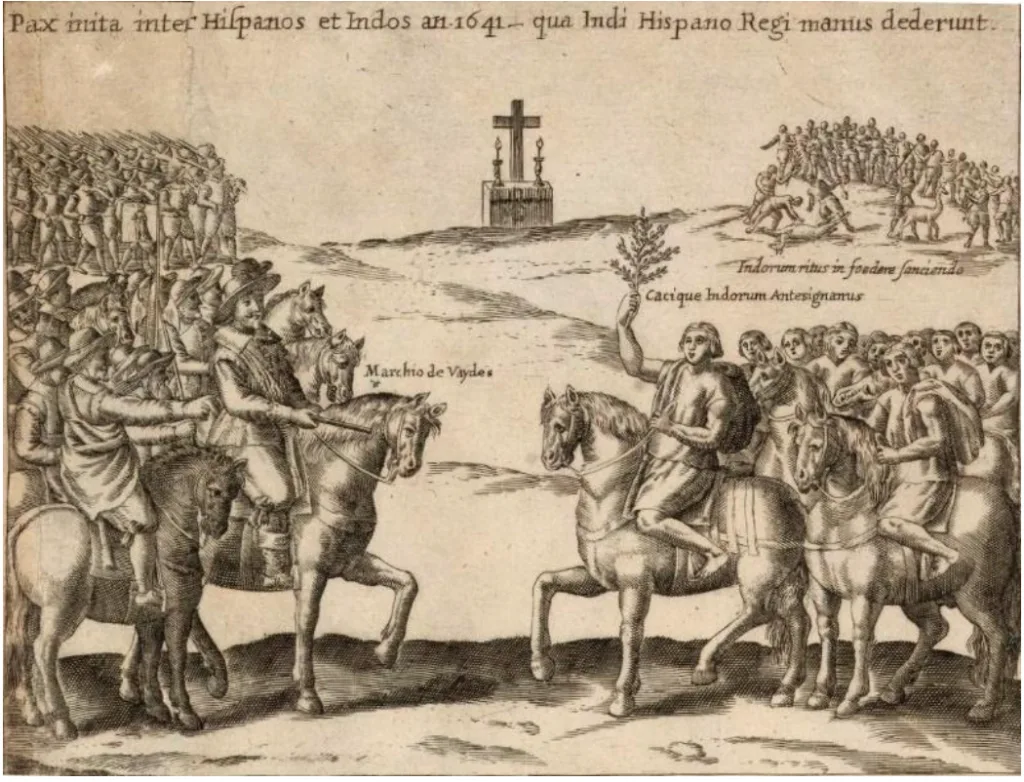
    Treaty of Quillén (1641)

    In 1641, the Spanish Crown recognized Mapuche territorial rights through the Treaty of Quillén, marking a ceasefire and a diplomatic agreement between the Conquistadores and the Mapuches in southern Chile. The treaty, however, was limited in its application and was ultimately violated as the Spanish expansion continued. Notwithstanding, Mapuches were able to retain autonomy over a large portion of their ancestral lands, but the relationship between the Mapuche and the Spanish remained fraught with conflict.

    Key points in the Treaty of Quillén:

    • End of hostilities: Ending a long period of war between the Spanish and the Mapuche, bringing peace to the region.
    • Mapuche autonomy: Guaranteed the Mapuche a large degree of autonomy over their territories, recognizing their right to govern their lands according to their own laws and customs.
    • Respect for cultures: Fostering mutual respect for the cultures, allowing both parties to co-exist while maintaining their distinct identities.
    • Diplomatic model: This treaty is often cited as an example of successful diplomacy, where dialogue and negotiation prevailed over military confrontation.

    Treaty of Tapihue (1825)

    Chilean independence was declared on September 18th, 1818, following the Spaniard defeat in the Battle of Maipú. The nascent Chilean government moved to consolidate its power and this led to a period of uncertainty between the Mapuche people and the emerging Chilean state.

    The Treaty of Tapihue, signed on January 7, 1825, marks a moment of peace and cooperation between the Chilean authorities and the Mapuche people. The treaty strengthened diplomatic relations and promoted peaceful co-existence after a period of conflict.

    Key points in the Treaty of Tapihue:

    • Mutual recognition: The treaty established mutual respect between the two parties, with official recognition of the territories and rights of the Mapuche.
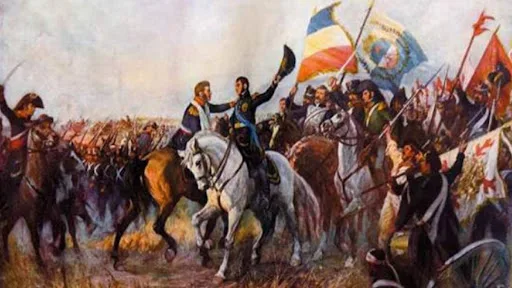
    El abrazo de Maipu
    The “Embrace of Maipú” between José de San Martín and Bernardo O’Higgins, after the victory in the Battle of Maipú
    • Peace and stability: By signing this treaty, both sides ended decades of conflict, thereby promoting peace and stability in the region.
    • Trade and commerce: The Treaty paved the way for trade and cultural exchanges, benefiting both communities and strengthening economic ties.

    These two treaties are central to the development of the Kingdom of Araucania and Patagonia and its Constitution, written by Orélie-Antoine I and the Mapuche Parliament. Differing from experiences like Canada, where treaties were reaffirmed by the Crown and were brought into common-law, the Mapuche experience with treaties and agreements is fraught with broken promises, failed negotiations, and continued resistance to this day.

    The Post-Colonial Period: The Chilean State and Mapuche Lands

    After Chile declared its independence from Spain in 1818, the new Chilean government sought to consolidate its control over the entire territory, including the Mapuche territories in the south of Chile. This process led to the Pacification of Araucanía (1851–1883), a genocidal military campaign in which the Chilean state forcibly took control of Mapuche lands. Mapuche people were subjected to violent repression, and their territories were gradually annexed by the Chilean state.

    During this colonizing period, the Mapuches lost significant portions of their ancestral lands, resulting in displacements and segregation to small plots of land. The Chilean government justified this land appropriation through a legal framework that ignored or dismissed Mapuche land rights. Many Mapuche communities, despite facing violence and dispossession, resisted (and continue to resist) the loss of their lands.

    The “Boundary Treaty” of 1881

    In 1881, during the Chilean consolidation of control over southern Chile, Chile and Argentina signed the Treaty of 1881 (November 12, 1881). The treaty was signed following a failed revolt by Mapuches, who sought securities for their land an culture. The agreement was controversial and not universally accepted and it failed to protect the Mapuche people’s ancestral lands in the long term.

    In Chile, the Treaty of 1881 essentially formalized the loss of Mapuche territory under the auspices of Chile’s sovereignty. It divided Mapuche lands into parcels and sought to integrate the Mapuche population into the Chilean economy, but in practice, it led to a reduction in the size of their territory. The Mapuche viewed it as a dismantling of their sovereignty and many Mapuche leaders never accepted the terms of the treaty.

    Modern Day: Land Conflicts and Mapuche Autonomy

    In the modern context, the issue of the Mapuche and their lands remains one of the most contentious topics in Chilean politics. Following the end of the military dictatorship of Augusto Pinochet (1973–1990), the Chilean government recognized the importance of addressing Indigenous rights, but the solutions offered have often been inadequate or ignored by both the state and the private sector.

    The Post-Pinochet Legal Framework: One of the main pieces of legislation that addresses the rights of Indigenous peoples in Chile is the Indigenous Law No. 19,253 (1993), which recognizes the rights of Indigenous people to their ancestral lands and grants them some degree of cultural and political autonomy. However, critics argue that the law has been insufficient in addressing the underlying issues of land restitution and full autonomy.

    The Land Conflict and the Role of the State

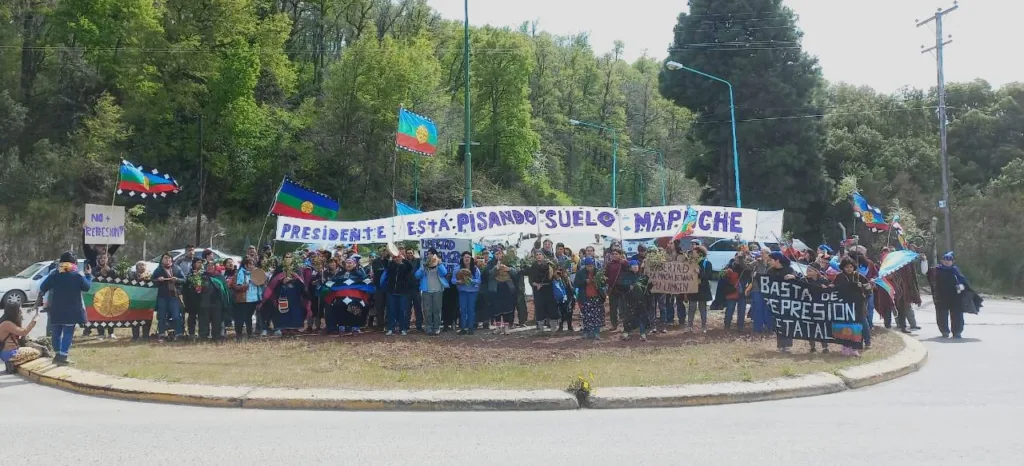
    Return of land, or Wallmapu, remains central to the ongoing Mapuche resistance. Land once held by the Mapuche has been appropriated for logging, agricultural, and mining projects, with little regard for the rights of the Indigenous people, and notwithstanding the Chilean ratification of the United Nations Declaration on the Rights of Indigenous Peoples (UNDRIP). Much of this land is now owned by large private corporations or the Chilean state.

    Mapuche people rightly argue that the Chilean state has failed to honour past agreements and promises to return their ancestral lands. They view this failure as a breach of trust and ongoing colonization. Mapuches experience high levels of poverty and marginalization and they argue that this a direct consequence of the state’s policies of land appropriation and economic exploitation.

    The Role of the Mapuche Autonomous Movement

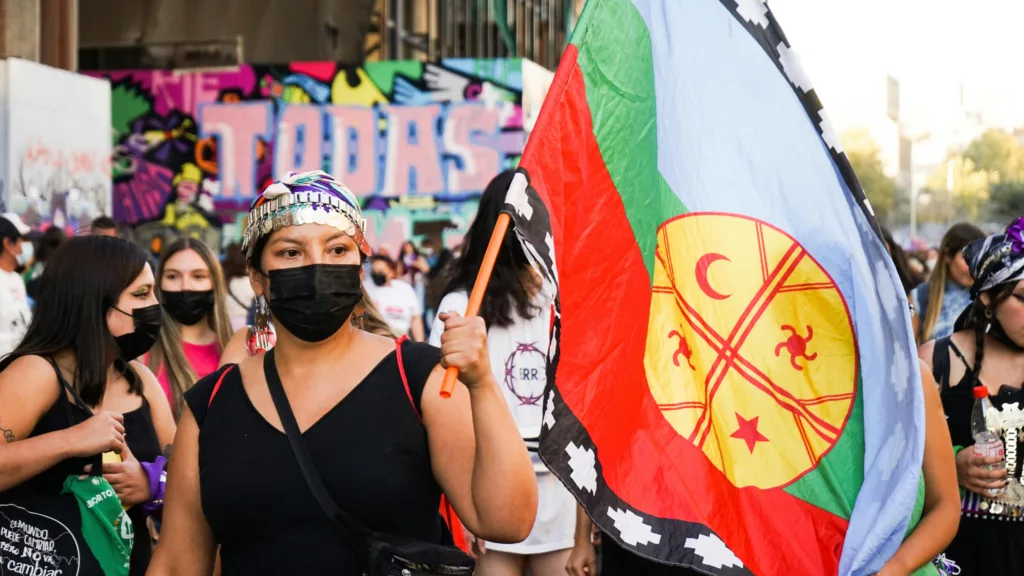
    The Mapuche Autonomous Movement (or Mapuche Resistance) has become a central force in demanding self-determination, the return of lands, and the recognition of Mapuche culture and language. The movement advocates for the creation of an autonomous Mapuche territory and for recognition of the Mapuche people’s right to govern their own lands.

    The movement has used various tactics, from peaceful protests to more confrontational actions like land occupations, road blockades, and attacks on logging and agricultural industries that are seen as exploiting Mapuche land. These tactics have led to tensions with the Chilean government, which has at times responded with military force and heavy policing.
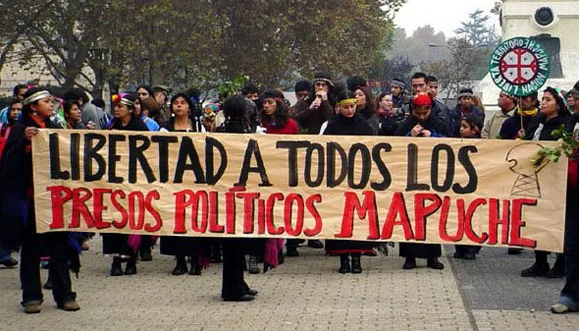
    Libertad para presos politicos

    Recent Developments: The 2020 Constitutional Process and the Mapuche

    In 2020, Chile embarked on a constitutional reform process, which was sparked by widespread protests against inequality, corruption, and neoliberal economic policies first implemented under the Pinochet dictatorship. Indigenous rights were an important aspect of the country-wide protests.

    In 2021, a significant step forward was made when a Mapuche woman, Elisa Loncón, was elected president of the Constituent Assembly, which is tasked with drafting the new constitution. This was a historic moment for the Mapuche people, as they were given a direct voice in the national constitutional process. Sadly, following an intensive campaign of fear and misinformation by the Chilean state, the media, and financial interests, the proposed constitution was defeated in a plebiscite.
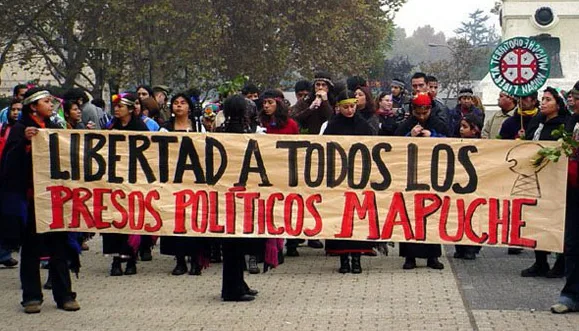
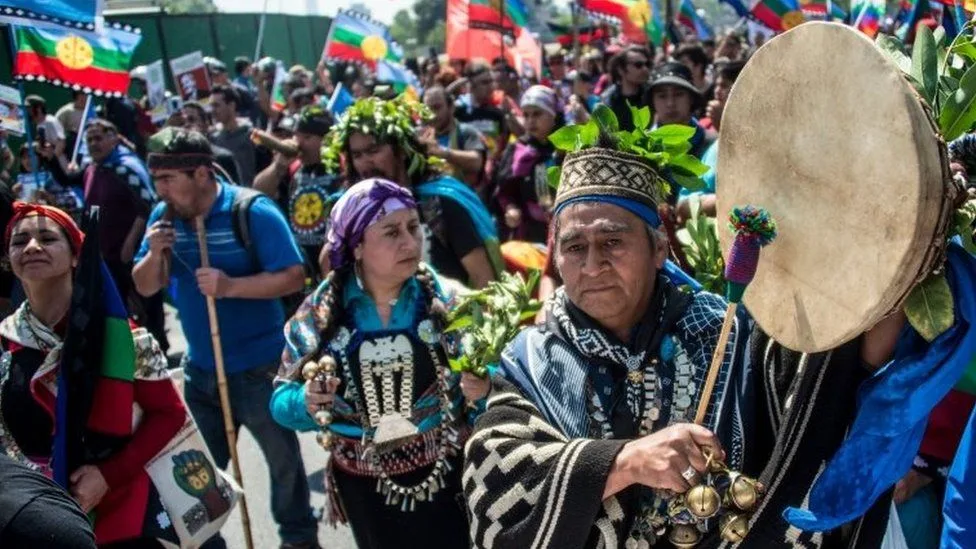
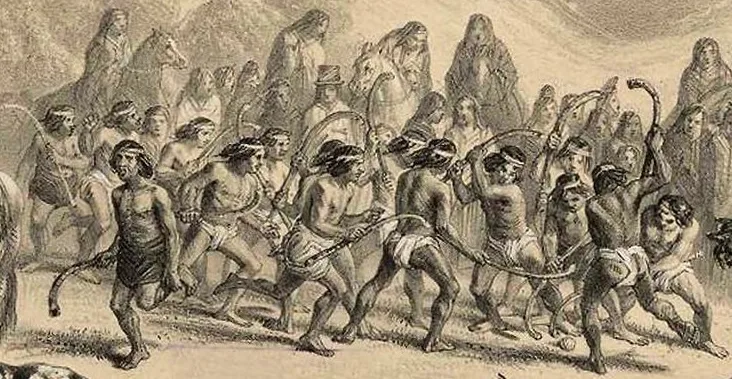
    Mapuches in their historical anti-colonial struggle. Images show, among other things, historical context, and playing Palin, the original field hockey!

    Notwithstanding this setback, ongoing calls for greater recognition of Indigenous rights, autonomy, and land restitution continue unabated and the Mapuche resistance maintains its historical strength. The Mapuche continue to advocate for the return of their ancestral territories and the recognition of their autonomy within the Chilean state.
  • Mexico

    Note to readers

    While this website was created to support the sharing of our two properties in the Riviera Maya, over time we have expanded our blog far beyond the traditional tourist guide. We view this expansion as essential to develop a better understanding of Mexico and Latin America, its culture and people at times when there is a concerted effort by supremacists to belittle Latin Americans and to impose a vindictive and inhumane policy approach that seeks to minimize human dignity.

    At times like this, it is imperative for righteous people to unite and to show that failed historical attempts to impose these doctrines of hate will fail one more time. This is why we will redouble our efforts to describe the unique beauty, culture, or spirit of people from Latin America. Latin American countries are diverse in culture, geography, and people, and beauty is often appreciated both in terms of physical appearance and inner qualities, such as warmth, resilience, and passion.

    This is also why we will continue to highlight our resistance to hate from the perspective of the arts, and the lens of culture and social development. The planet is small and we deserve nothing less.


    Mexico: A Nation of Culture, History, and Resilience

    Mexico, officially known as the United Mexican States (Estados Unidos Mexicanos), is a vibrant and diverse country located in the southern part of North America. Bordered by the United States to the north and Guatemala and Belize to the south, Mexico is a land of striking contrasts — from vast deserts and tropical rainforests to ancient ruins and bustling modern cities. With a population of over 130 million people, it is the most populous Spanish-speaking country in the world and one of the most culturally influential nations in the Americas.

    A Rich Historical Legacy

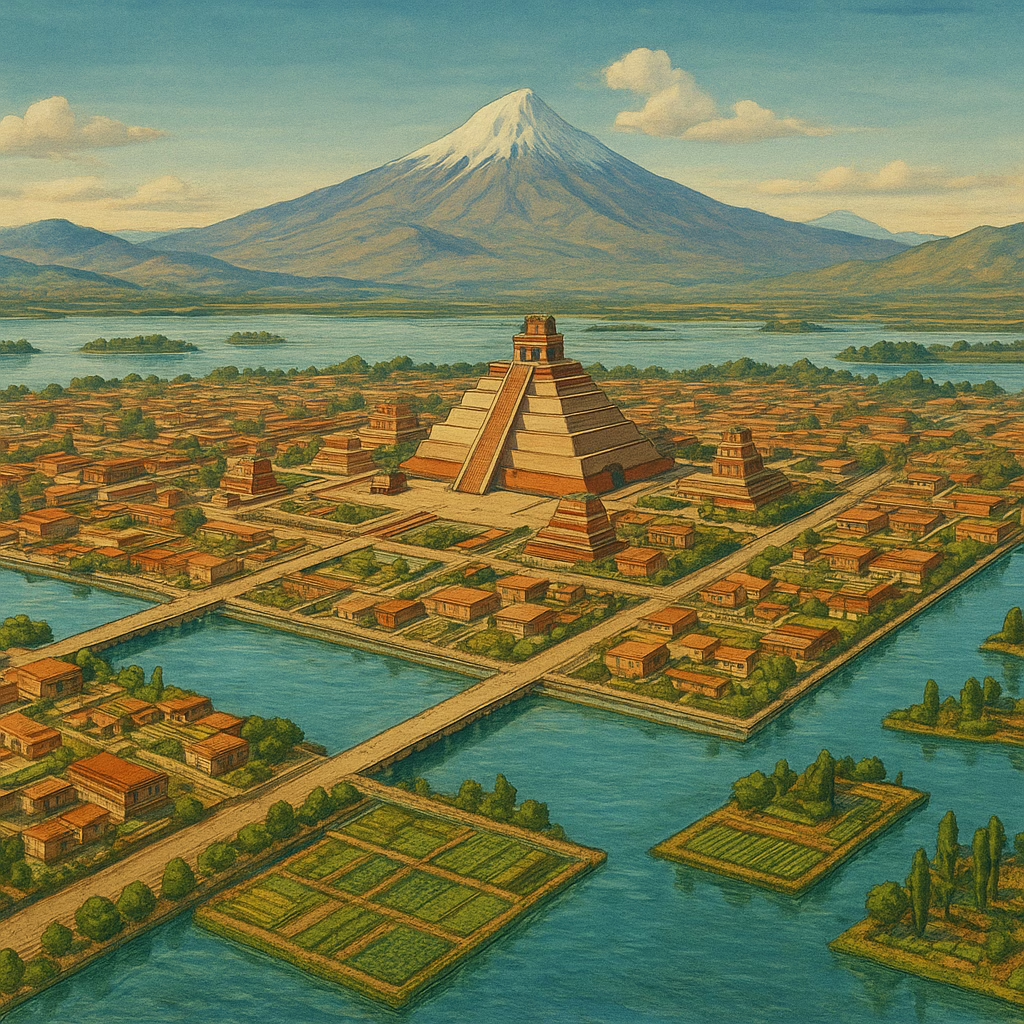
    Mexico’s history stretches back thousands of years, long before the arrival of Europeans. It was home to several advanced civilizations, including the Olmecs, Mayans, and Aztecs, who left behind impressive architectural and scientific achievements. The Aztec capital, Tenochtitlán, built on what is now Mexico City, was one of the most sophisticated cities of its time.

    In 1521, Spanish conquistador Hernán Cortés led the conquest of the Aztec Empire, marking the beginning of over 300 years of Spanish colonial rule. The struggle for independence culminated in 1810 with the Grito de Dolores, led by Miguel Hidalgo y Costilla, and Mexico officially gained independence in 1821. Since then, the country has experienced revolutions, reforms, and a journey toward democracy.

    Tenochtitlán, sophisticated Indigenous city in what is now Mexico City

    Cultural Wealth and Identity

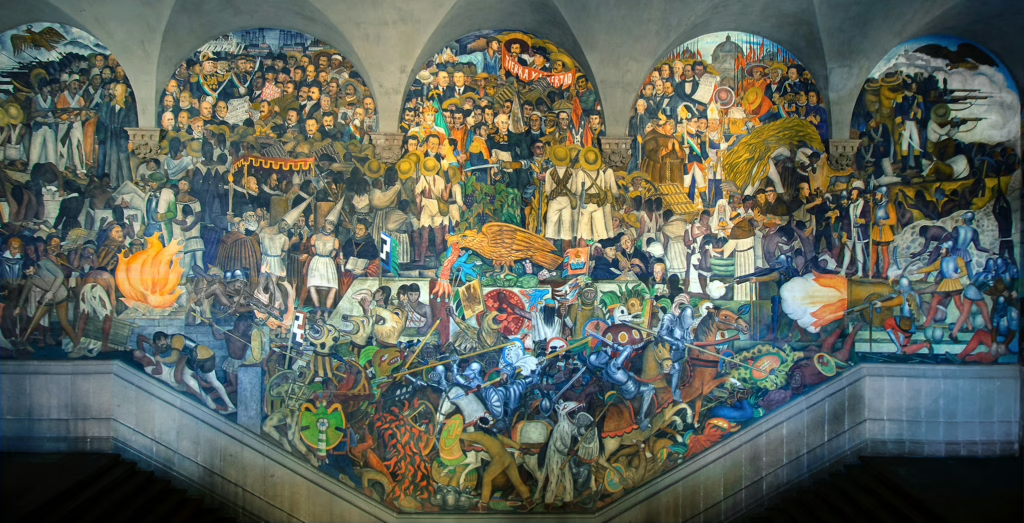
    Diego Rivera history westwall
    Diego Rivera: History West Wall

    Mexico’s culture is a unique blend of indigenous traditions and Spanish influences, producing an identity that is both deeply rooted and ever evolving. Renowned artists such as Frida Kahlo and Diego Rivera captured the struggles and beauty of Mexican life through their work, while mariachi music, folk dances, and traditional crafts remain symbols of national pride.

    Mexican cuisine, recognized by UNESCO as an Intangible Cultural Heritage of Humanity, is a reflection of the country’s diversity. Dishes like tacos, tamales, mole, and pozole highlight regional flavors and centuries of culinary evolution. Ingredients such as corn, chili, and chocolate — all native to Mexico — have shaped global cuisine.

    Natural Beauty and Biodiversity

    Geographically, Mexico is one of the most biodiverse countries in the world. It features stunning landscapes, from the Sierra Madre mountains and Copper Canyon to the Yucatán Peninsula and Baja California coastline. Its ecosystems support thousands of species of plants and animals, some found nowhere else on Earth. Mexico’s national parks and protected areas play a vital role in global conservation efforts.

    Economy and Modern Development

    Mexico has the second-largest economy in Latin America, driven by manufacturing, agriculture, and a growing technology sector. It is a member of the CanadaUnited States-Mexico Agreement (CUSMA), which strengthens trade ties with its North American neighbors. Tourism is also a major contributor, attracting millions of visitors each year to destinations like Cancún, Chichen Itzá, Mexico City, and Oaxaca.

    Despite its progress, Mexico faces challenges such as social inequality and security issues. However, the country continues to make strides in education, renewable energy, and cultural preservation.

    A Nation Looking Forward

    Mexico stands as a bridge between the ancient and the modern, tradition and innovation. Its people — known for their warmth, creativity, and resilience — continue to shape the nation’s destiny with pride and determination. As the world becomes increasingly interconnected, Mexico’s cultural and economic influence continues to grow, solidifying its place as a global leader in art, cuisine, and human spirit.

    Poetry of Mexico

    Jaime Sabines (Chiapas, 1926 – Mexico City, 1999)

    Jaime Sabines used everyday places like streets, courtyards, and hospitals to transform literature into reality. This is how he became a great Mexican poet, writer, and politician.

    Jaime Sabines was born on March 25, 1926, in Tuxtla Gutiérrez, Chiapas. He came from a cultured family connected to Mexican history and politics. His parents were Julio Sabines from Lebanon and Luz Gutiérrez from Mexico.


    "The Moon"
    by Jaime Sabines

    You can take the moon in spoonfuls
    or in tablets once every two hours.
    It works as a hypnotic and a sedative
    and also provides relief
    for those who have an overdose of philosophy.
    A piece of moon in your pocket
    is a better charm than a rabbit's paw:
    it helps to find someone to love,
    to be rich without anybody knowing
    and keeps doctors and hospitals away.
    You can give it as a dessert to children
    when they can't get to sleep,
    and a few drops of moon in the eyes of the old
    help to die well.
    Put a tender moon leaf
    under your pillow
    and you will see what you would like to see
    and always carry a little bottle of moon air
    for when you feel you're suffocating
    and give the moon's key
    to prisoners, and the disenchanted.
    For those sentenced to death
    and those condemned to life
    there is no better tonic than the moon
    in precisely measured doses.

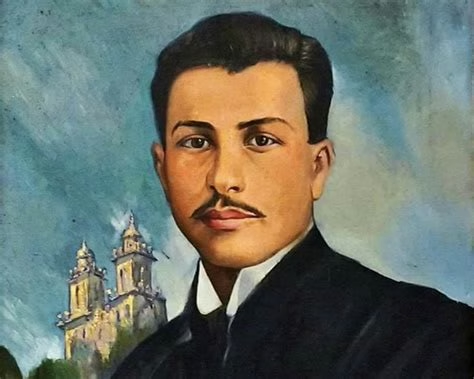
    Ramón López Velarde (June 15, 1888 – June 19, 1921) was a Mexican poet. His work was a reaction against French-influenced modernismo which, as an expression of a purely Mexican subject matter and emotional experience, is unique. He achieved great fame in his native land, to the point of being considered Mexico’s national poet.

    "La Suave Patria"
    by Ramón López Velarde

    "Oh, the homeland, gentle and warm,
    She gives birth in pain and cries,
    But she is strong, always standing,
    In the face of turmoil and lies."
    Ramon lopez velarge

  • The Yucatán Peninsula

    A Traveler’s Guide to Culture, Cuisine, and History

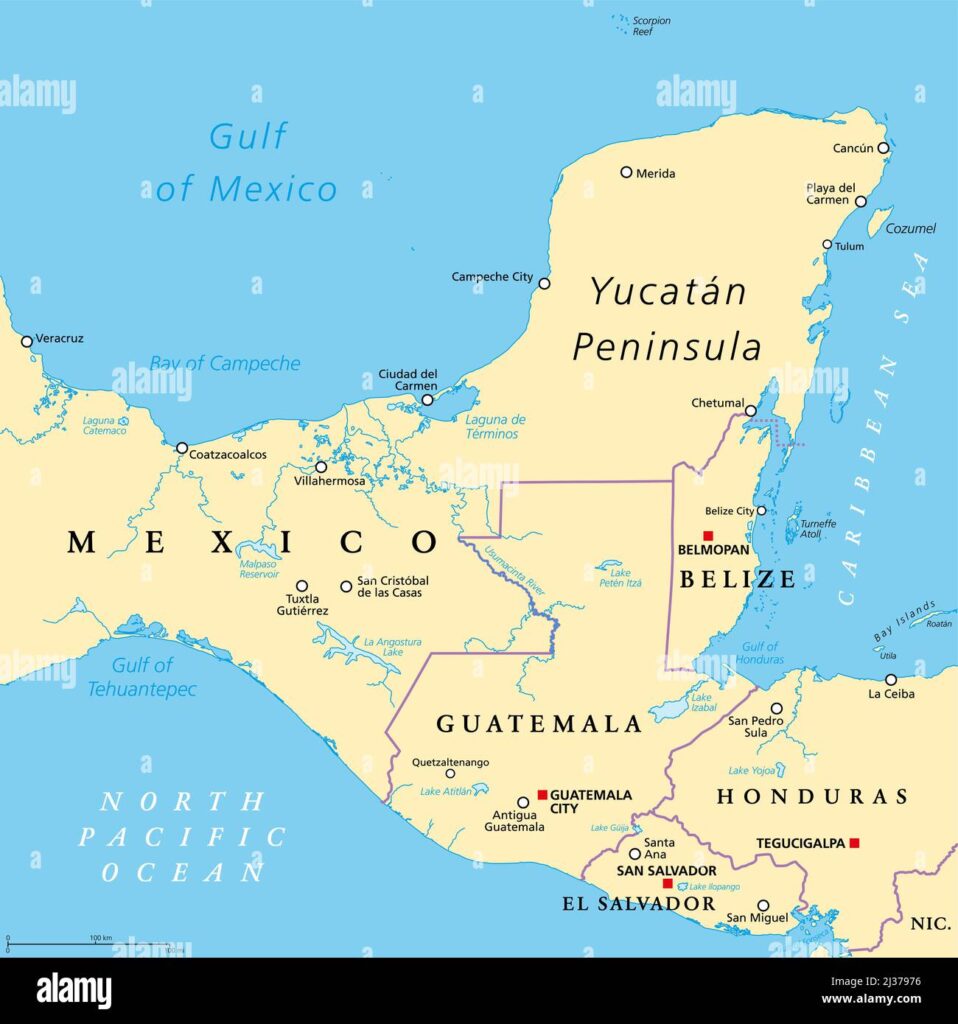
    The Yucatán Peninsula isn’t just Mexico’s gateway to the Caribbean—it’s a destination where ancient civilizations, vibrant traditions, and unforgettable flavors meet. Stretching across Yucatán, Quintana Roo, and Campeche, this region offers travelers far more than beaches and resorts. Here’s how to dive deeper into the heart of the peninsula.

    Yucatan peninsula political map large peninsula in southeastern mexico and adjectants portions of belize and guatemala

    Discovering Mayan Culture

    The Maya are not just history—they’re very much alive in the Yucatán today. Over a million Maya people still live in the region, preserving their language, traditions, and customs. Visitors can experience this living culture by:

    • Exploring villages like Valladolid or Izamal, where markets overflow with handicrafts and traditional huipil dresses.
    • Joining community tours, such as cooking lessons or cenote visits led by Mayan families.
    • Attending festivals, like Hanal Pixán (the Mayan version of Día de los Muertos) or the annual Mérida Fest, which showcase music, dance, and food.

    Travel Tip: Learn a few Mayan phrases such as ba’ax ka wa’alik? (“how are you?”) to connect more deeply with locals.


    Must-See Archeological Sites

    The Yucatán is a paradise for history lovers, with ruins that rival any in the world.

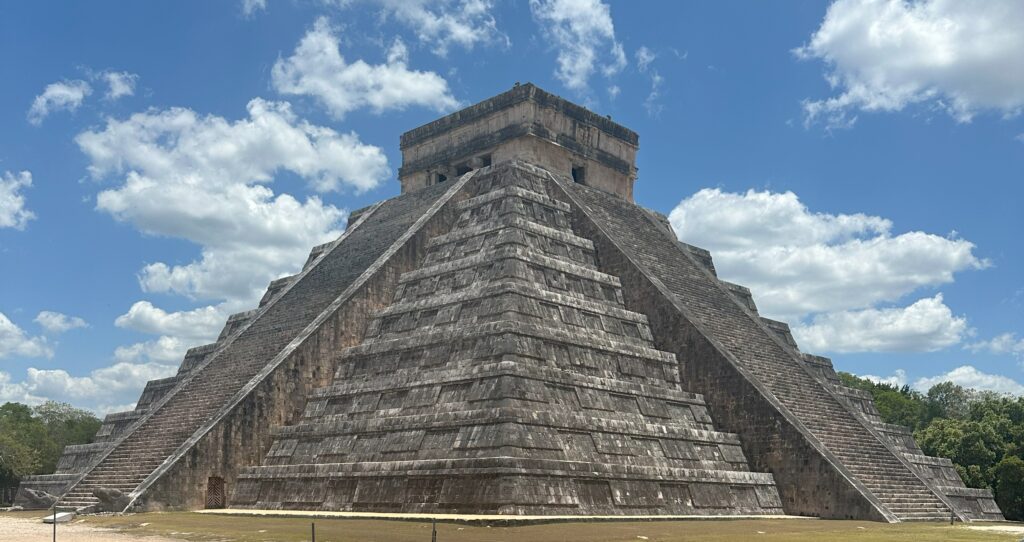
    • Chichén Itzá – A UNESCO World Heritage site and one of the New Seven Wonders of the World. Arrive early to beat the crowds and catch the magical sunrise over El Castillo.
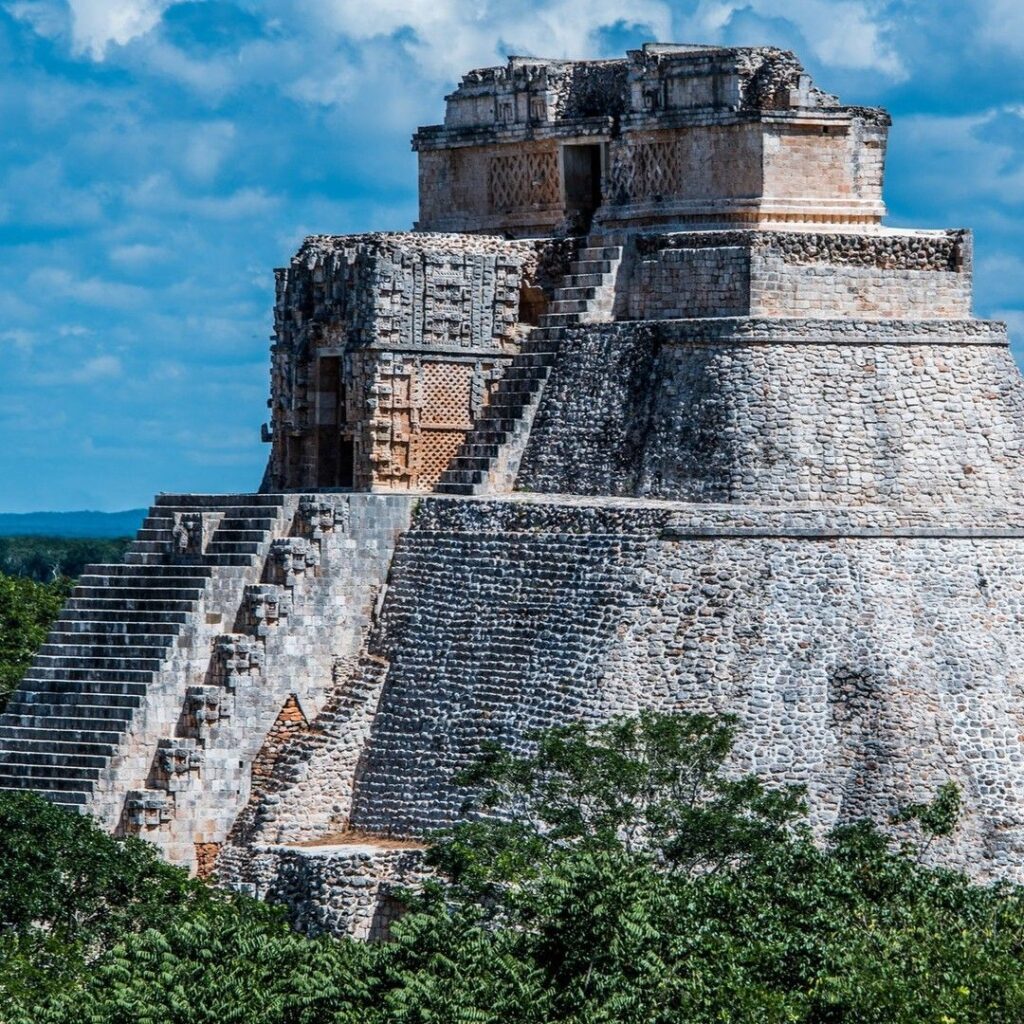
    • Uxmal – Less crowded but equally stunning, Uxmal’s detailed carvings and the Pyramid of the Magician offer insight into Mayan artistry.
    • Tulum – Perched above turquoise waters, this walled city is perfect for combining a history lesson with a beach day.
    • Calakmul – Deep in Campeche’s jungle, this site rewards adventurous travelers with towering temples and wildlife encounters.
    Uxmal, large pyramid. The serpent that moves around the soltice
    Uxmal Large Pyramid
    Chichen itza, UNESCO World Heritage
    Chichén ItzáMaya Riviera Condos

    Travel Tip: Bring water, sunscreen, and comfortable shoes—many ruins involve climbing or long walks under the sun.


    A Taste of Yucatecan Cuisine

    Food in the Yucatán is reason enough to visit. Its bold flavors come from Mayan techniques blended with Spanish and Caribbean influences. Don’t miss:

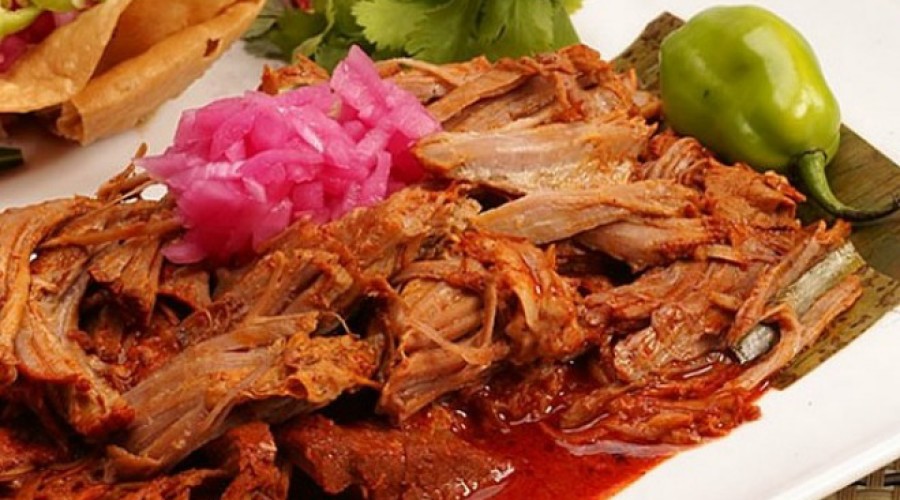
    • Cochinita pibil – Pork marinated in achiote and sour orange, slow-cooked in a banana leaf.
    • Sopa de lima – A citrusy chicken soup that’s comforting after a long day of exploring.
    • Panuchos & salbutes – Street food favorites topped with turkey, beans, and pickled onions.
    • Papadzules – Egg-filled tortillas bathed in pumpkin seed sauce.
    Cochinita pibil
    Cochinita Pibil

    Travel Tip: For an authentic experience, visit local markets in Mérida, Valladolid, or Campeche City, where food stalls serve these dishes at their freshest.


    Folk Music and Dance

    The Yucatán comes alive at night with music and dance.

    • Jarana Yucateca – A lively folk dance performed during town festivals. You’ll often see dancers balancing trays of glasses on their heads!
    • Trova Yucateca – Romantic ballads performed in Mérida’s plazas. Perfect for a slow evening stroll.
    • Fiestas and ferias – Almost every town has annual celebrations with music, fireworks, and traditional clothing.

    Travel Tip: In Mérida, don’t miss the free nightly cultural events, including jarana performances in Plaza Grande.


    Natural Wonders Beyond the Ruins

    The Yucatán isn’t only about history—it’s also a playground for nature lovers.

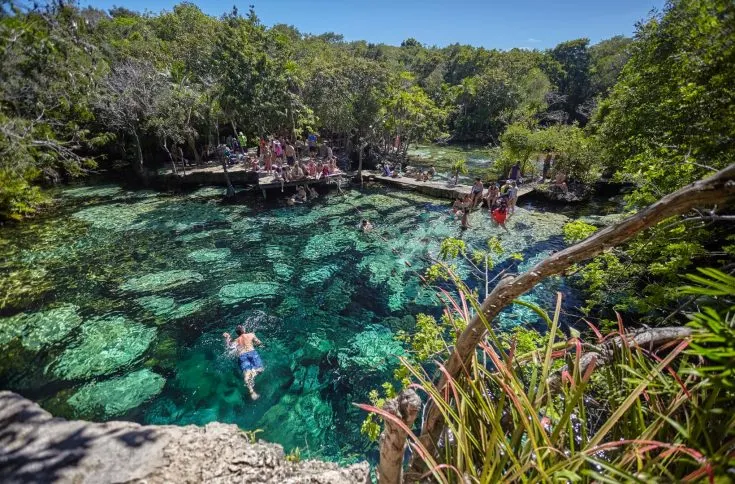
    Cenote azul
    • Cenotes – Swim in crystal-clear sinkholes like Cenote Ik Kil (near Chichén Itzá) or the quieter Cenote Oxmán in Valladolid.
    • Sian Ka’an Biosphere Reserve – A UNESCO site with mangroves, dolphins, and pristine lagoons.
    • Celestún – Famous for pink flamingos, best seen from November to March.
    • Beaches – From bustling Cancún to laid-back Holbox, there’s a stretch of sand for every traveler.

    Travel Tip: Pack biodegradable sunscreen—it’s required in many eco-sensitive areas.


    Maya Riviera Condos

Maya Riviera Condosx
Chatbot