
Culture, Community and Entrepreneurship
The Living Legacy of Mexican Artisans
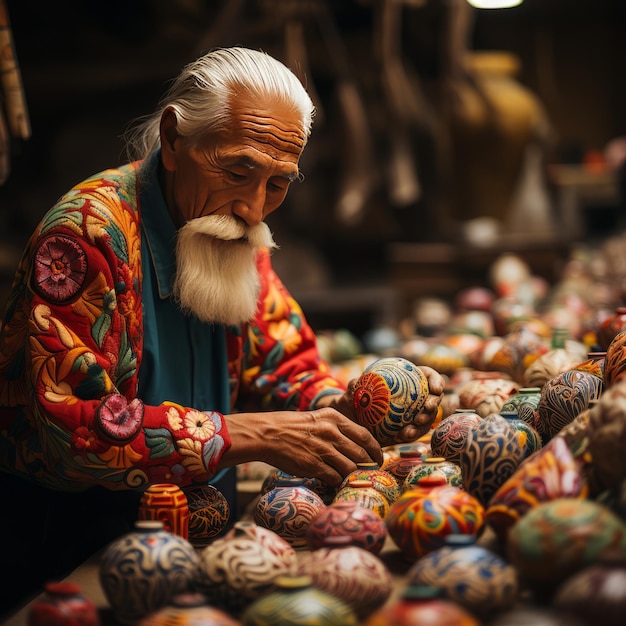
Mexico’s craft industry is more than a collection of colorful crafts—it is one of the deepest expressions of cultural memory and living tradition in Latin America. From handwoven textiles in Oaxaca to Talavera pottery in Puebla, the work of Mexican artisans carries centuries of Indigenous knowledge, colonial influence, and modern reinvention. Today, the artisan sector is not only a cultural treasure but also an essential part of Mexico’s economy and global identity.
Roots in Tradition
Mexican artisanal work is born from the blending of Indigenous craftsmanship and Spanish colonial techniques. Pre-Hispanic civilizations such as the Maya, Aztec, and Zapotecs developed expertise in weaving, stone carving, featherwork, and ceramics. When Spanish settlers arrived in the 16th century, they introduced European tools, looms, and styles, giving rise to unique hybrids.
For example:
- Textiles in Chiapas and Oaxaca combine ancient backstrap loom weaving with dyes like cochineal red, once prized across Europe.
- Talavera pottery in Puebla marries Spanish ceramic methods with Indigenous motifs, creating world-renowned tiles and dishware.
- Huichol beadwork expresses cosmology through dazzling color patterns, often depicting sacred animals and natural elements.
An Economic and Cultural Force
The artisan industry is not just heritage—it’s big business. According to Mexico’s Ministry of Culture, more than 12 million people participate directly or indirectly in artisanal production. Entire communities rely on craft-making as their primary source of income, often working collectively through family workshops or cooperatives.
Tourism plays a major role. Travelers to destinations like Oaxaca City, San Cristóbal de las Casas, and Guadalajara are eager to bring home embroidered blouses, hand-painted ceramics, or silver jewelry. International demand has also grown, with Mexican textiles, leatherwork, and design pieces appearing in high-end boutiques. Places like New York, Paris, and Tokyo feature these pieces.
Challenges in the Modern Era
Despite its resilience, the artisan sector faces obstacles:
- Mass production & imitation: Cheap factory-made replicas threaten the authenticity and income of rural artisans.
- Fair pay: Many artisans earn only a fraction of the retail price once products reach urban markets or global exports.
- Generational continuity: Younger Mexicans are often reluctant to continue family trades, favoring more modern careers.
To combat these pressures, NGOs, cooperatives, and government programs work to protect Denominations of Origin (like for Talavera pottery or Mezcal) and certify authentic products. Online platforms now allow artisans to sell directly to global customers, bypassing exploitative intermediaries.
A Living Art Form
What makes Mexican artisan work remarkable is that it is never static. While rooted in tradition, artisans constantly innovate—blending modern design with ancestral methods. Fashion designers collaborate with Indigenous weavers; contemporary architects use handmade tiles and textiles in cutting-edge projects.
Every handwoven huipil, copper vessel, or lacquered tray carries a story—not only of cultural survival, but also of adaptation and creativity. Supporting artisans means preserving a living heritage that continues to evolve while keeping Mexico’s cultural heartbeat strong.
How to Support Mexican Artisans
- Buy directly: Visit artisan markets (mercados de artesanías) and buy from the makers themselves.
- Look for fair trade: Ensure your purchase supports ethical labor practices.
- Learn the story: Ask artisans about the meaning of symbols and techniques—it deepens both appreciation and cultural respect.
- Promote continuity: Support workshops and cooperatives that train younger generations.
Final Word
The Mexican artisan industry is not simply about souvenirs—it is about identity, continuity, and resilience. To hold a handwoven rebozo or a piece of black Oaxacan clay pottery is to hold centuries of artistry in your hands. In a world that increasingly values the handmade over the mass-produced, Mexican artisans stand as guardians of a tradition. This tradition is both timeless and urgently relevant.
Maya Riviera Condos