
The Maya Train: A Bold Vision for Mexico’s Future
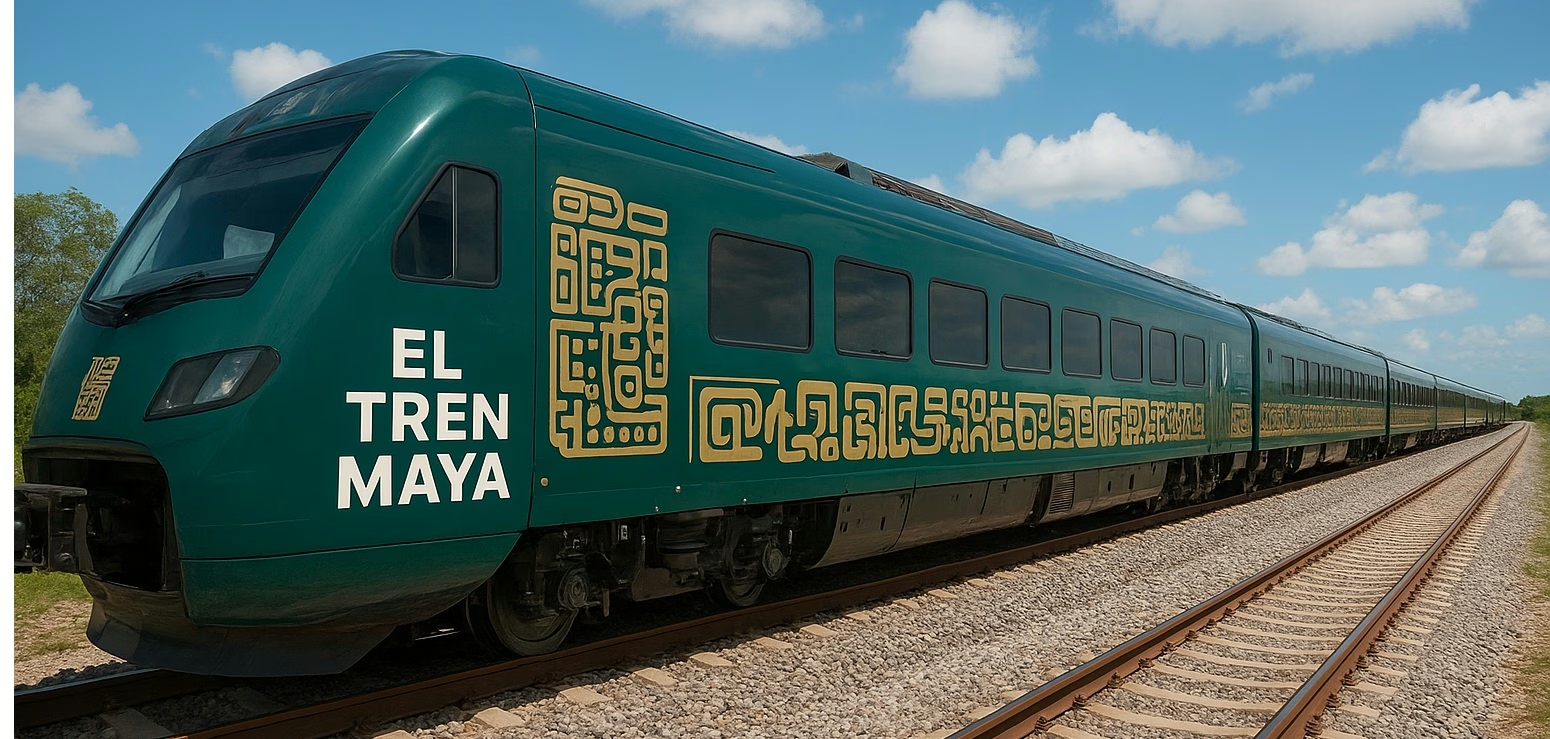
The Maya Train (Tren Maya) is a highly ambitious and transformative infrastructure project recently completed in Mexico. The project’s main goal is to foment the economic and social development of the region, which will directly benefit the states of Chiapas, Tabasco, Campeche, Yucatán and Quintana Roo. As one of the largest transportation projects in the country’s history, the Maya Train has sparked both excitement and controversy. In this article, we explore the vision behind the train, its expected impact, challenges it faced, and its meaning for Mexico’s future.
Overview of the Maya Train Project
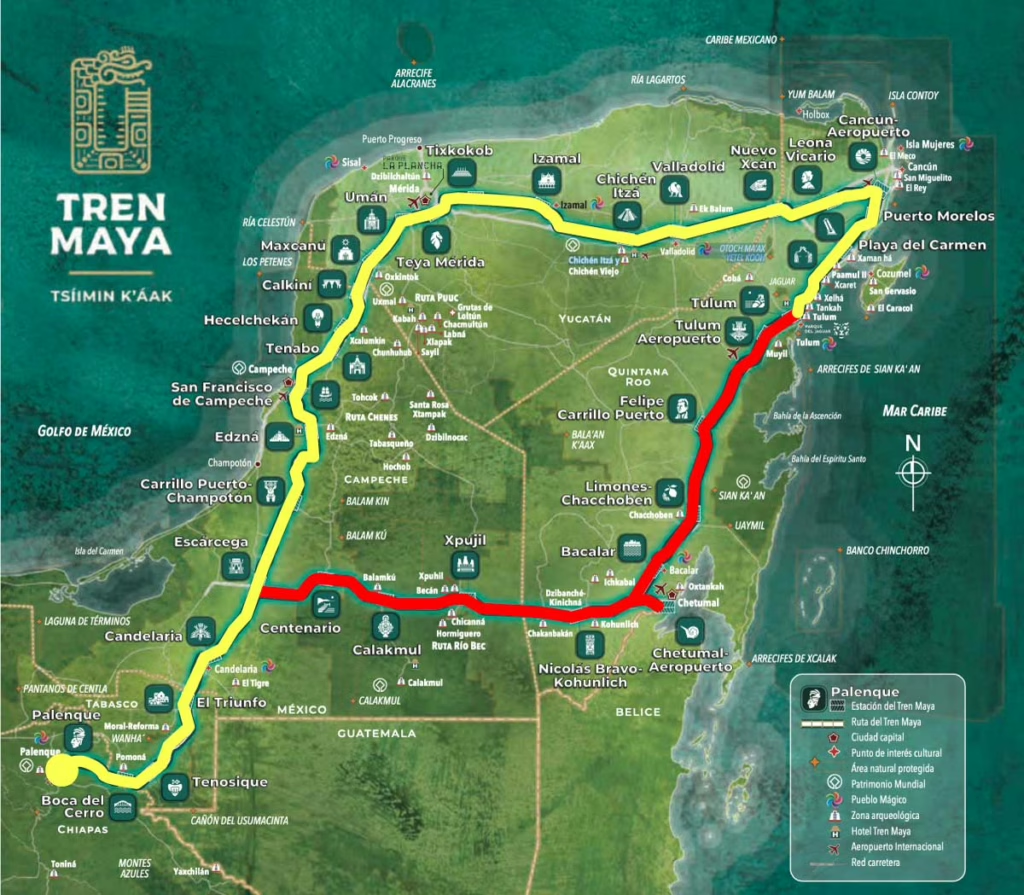
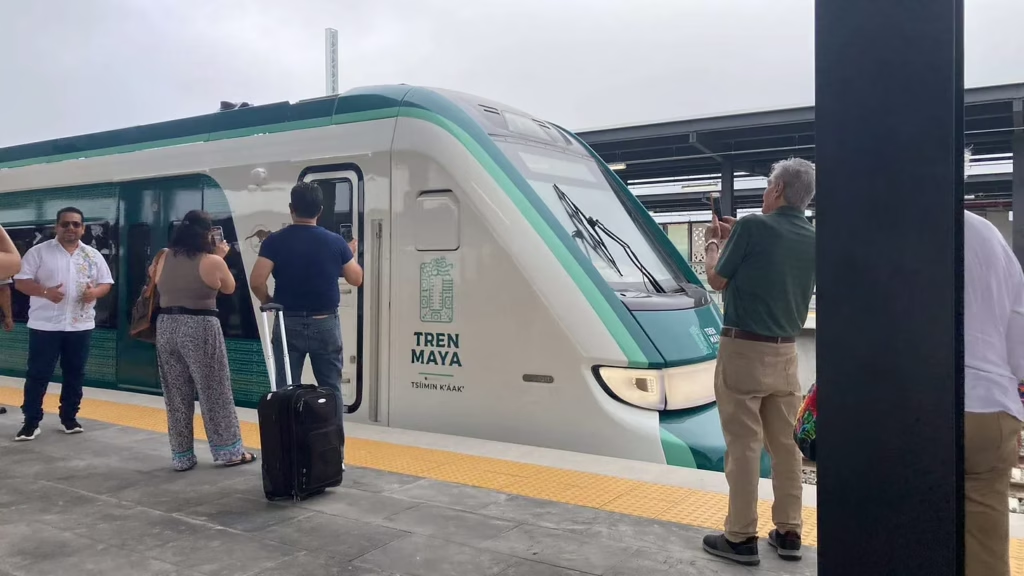
The Maya Train project, formally known as the Tren Maya, is a 1,525-kilometer railway system that connects five states in southern Mexico. The train links major cities, small towns, and important tourist destinations across the Yucatán Peninsula, creating a comprehensive, sustainable transport system that integrates diverse regions.
The project is part of a broader initiative spearheaded by President Andrés Manuel López Obrador (AMLO), who took office in December 2018. The Maya Train is a key element of the Mexican government’s National Infrastructure Plan, which seeks to boost regional development by promoting tourism, creating jobs, and improving connectivity between urban and rural areas.
The train passes through dense tropical jungles, near ancient archaeological sites, coastal resorts, and cities rich in cultural heritage. Some of the key stops include:
- Merida (Yucatán) – the cultural and historical hub of the Yucatán Peninsula.
- Cancún (Quintana Roo) – a global tourist destination known for its beaches and resorts.
- Tulum (Quintana Roo) – home to ancient Mayan ruins and an increasingly popular tourist hotspot.
- Chichen Itzá (Yucatán) – one of the most iconic archaeological sites in the world.
- Palenque (Chiapas) – an ancient Maya city known for its impressive ruins.
- San Francisco de Campeche (city) — an historical city founded in 1540 on the shore of the Bay of Campeche in the Golf of Mexico
The train is equipped with modern, Eco-friendly technology, and it is designed to run on both electric and hybrid systems to minimize environmental impact. The goal is to create a fast, efficient, and sustainable mode of transport that can carry passengers between key tourist sites, as well as locals commuting for work or leisure.
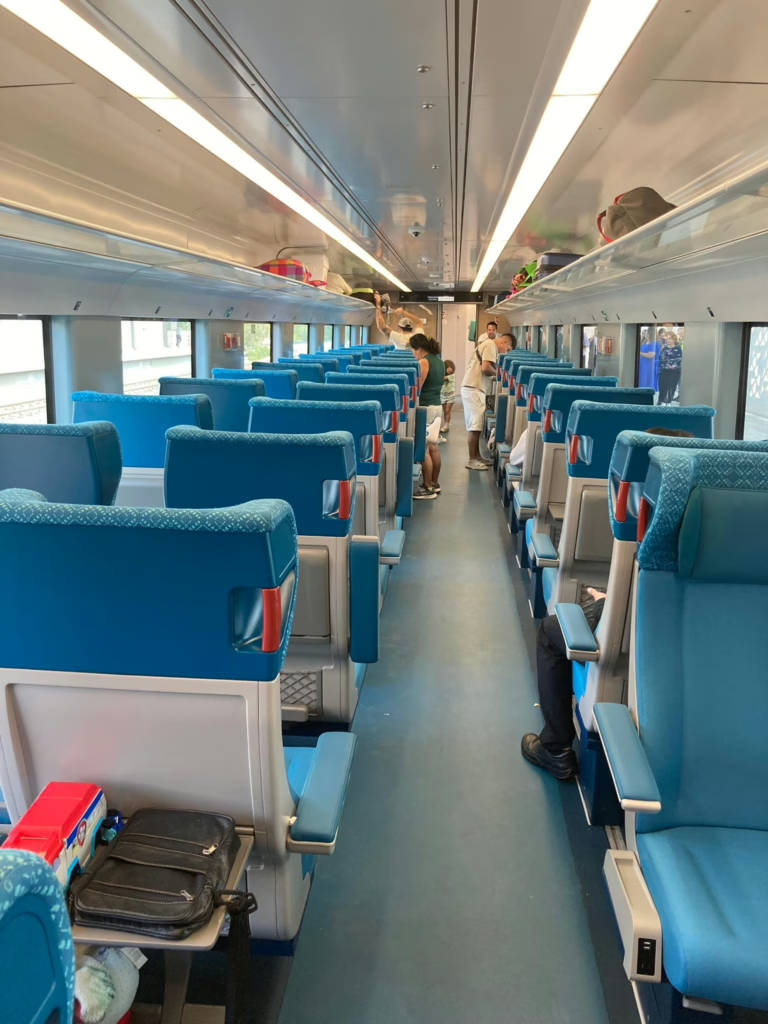
Characteristics of the Tren Maya Long Distance model
- WiFi
- Train with 7 cars with a capacity for 260 passengers.
- 8 cabins (2 types: standard and reduced mobility).
- 16 bunk beds.
- Restaurant.
- Bathroom with a shower.
- Space for bicycles or strollers.
- Reclining seats.


Economic Implications
The economic potential of the Maya Train project is enormous. The train is expected to be a catalyst for economic development in one of Mexico’s poorest regions. The Yucatán Peninsula has long been economically dependent on tourism, but the pandemic exposed the vulnerabilities of this sector. The Maya Train provides a sustainable alternative to reliance on mass tourism, opening up new avenues for economic activity.
Job creation is one of the most tangible benefits of the train. The project generated over 100,000 direct and indirect jobs during construction and an additional 30,000 to 40,000 jobs once operational. The regions it passes through are expected to see significant increases in local employment, with many opportunities in construction, tourism, services, and transportation.
Regional Integration
Improved connectivity between regions also promotes regional trade and the development of local industries. For example, agricultural products from the Yucatán Peninsula will be transported more efficiently to other parts of the country. The train infrastructure development in the service industry—new hotels, restaurants, and businesses—creating a thriving economy built on a more diverse tourism model.
Regional integration and commercial expansion is not only a key for the economic development of various countries in the region, but during times of uncertainty, the project reinforces national sovereignty. As confirmed by Mexican President Claudia Sheinbaum, the goal is to extend the links to Belize and Guatemala. The Mexican president noted that conversations to extend the train network have been ongoing since 2024.
Environmental Considerations
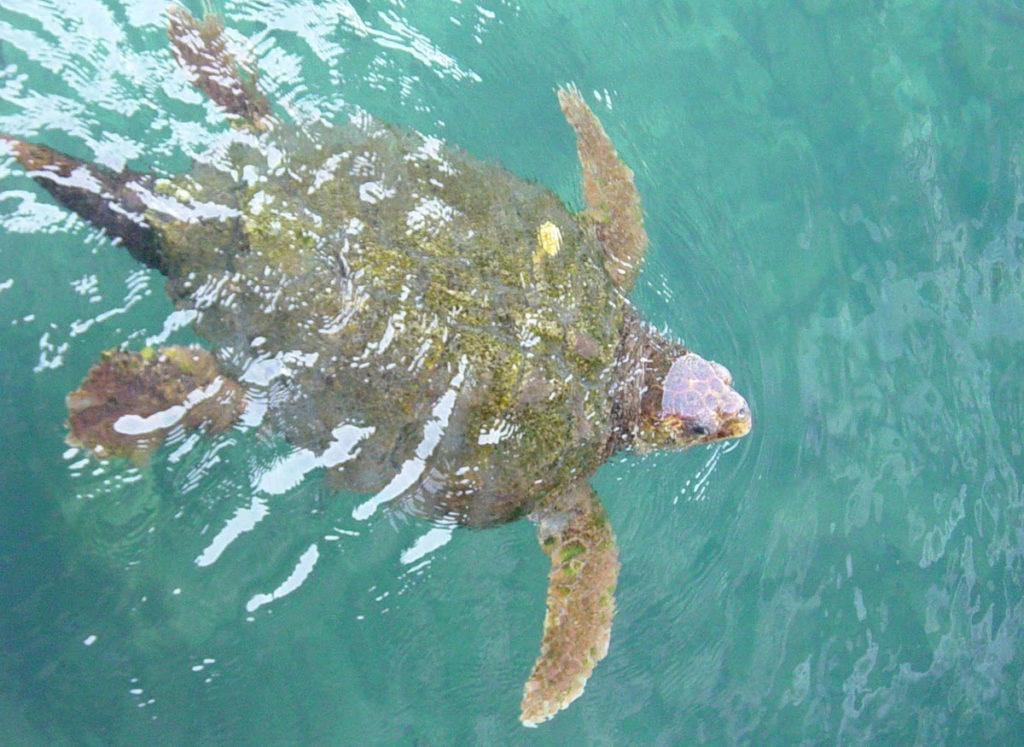
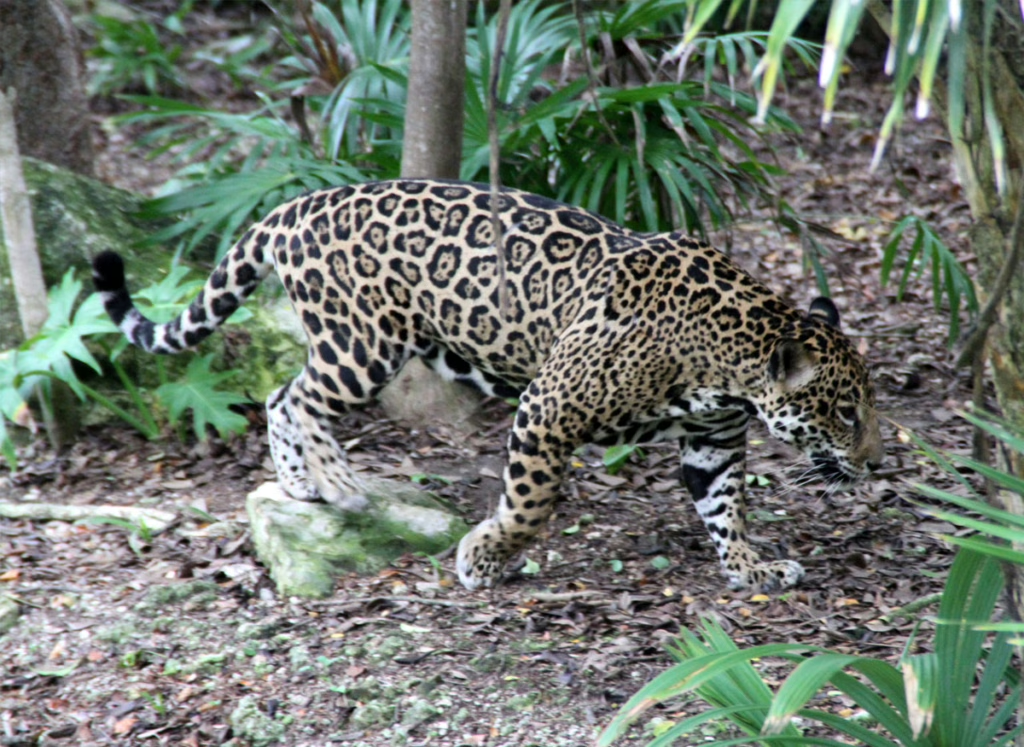
The Maya Train’s environmental footprint has been a topic of significant debate. On one hand, the project promises a greener alternative to the use of cars and buses, reducing carbon emissions by providing a more energy-efficient transport option. However, the route passes through environmentally sensitive areas, including protected jungles, wetlands, and biodiversity hot-spots that are home to endangered species. Environmental groups have raised concerns about potential deforestation, habitat destruction, and the impact of construction on the local ecosystem.
In response to these concerns, the Mexican government emphasized that the train was built with sustainability in mind. The Maya Train Foundation and other stakeholders have undertaken environmental assessments and planning to minimize harm to natural areas. Efforts are being made to align current and future infrastructural growth with the principles of sustainable development by integrating Eco-friendly technologies and reducing the ecological impact through careful planning and mitigation strategies.

Notwithstanding this ecological efforts, critics argue that the project’s environmental safeguards are insufficient and that the long-term effects on the region’s flora and fauna may be irreversible.
Cultural and Social Impact
The Maya Train project is not just about economic and environmental concerns—it is also deeply intertwined with Mexico’s cultural heritage. The train passes close to numerous archaeological sites, some of which are UNESCO World Heritage-listed, such as Chichen Itzá and Palenque. The hope is that the Maya Train will stimulate greater interest in Mexico’s rich indigenous history and provide a platform for the preservation of these ancient sites.
However, the project faced criticism from local indigenous communities who fear it could lead to the commercialization and exploitation of their lands and cultures. Many indigenous groups argue that the government did not consult them adequately or obtained proper consent for the project. The train’s route cuts through lands traditionally inhabited by indigenous peoples, and there are concerns about the impact on their livelihoods, sacred sites, and social structures.
Efforts to address these concerns included public consultations and discussions with indigenous groups, but the tension between development and cultural preservation remains a delicate issue.
The Future of the Maya Train
As the Maya Train moves forward, it promises to shape the future of the Yucatán Peninsula and beyond. It is a project that touches on issues of economic development, environmental protection, cultural heritage, and social justice. The project set a new precedent for large-scale infrastructure projects in Latin America, demonstrating how sustainable development and modern transport systems can go hand-in-hand.
The success of the Maya Train will depend on how governments, regional and federal, handle the various challenges and criticisms that surrounded the project’s development. Over the coming years, authorities will have to show that the project struck a balance between fostering economic growth and respecting the region’s environmental and cultural heritage.
It should be clearly understood that the Maya Train is not just about building a railway. It is about creating a vision for Mexico’s future—a future that connects people, cultures, and economies, while navigating the delicate balance between progress and preservation.
The Maya Train from Playacar and Puerto Aventuras’ Perspectives
As the region realizes the potential opportunities of the Tren Maya, Playacar and Puerto Aventuras, are feeling the ripple effects of this ambitious railway project. From their unique vantage points, each area views the train’s impact through a distinct lens, reflecting the diverse lifestyles and concerns that make these neighborhoods special.
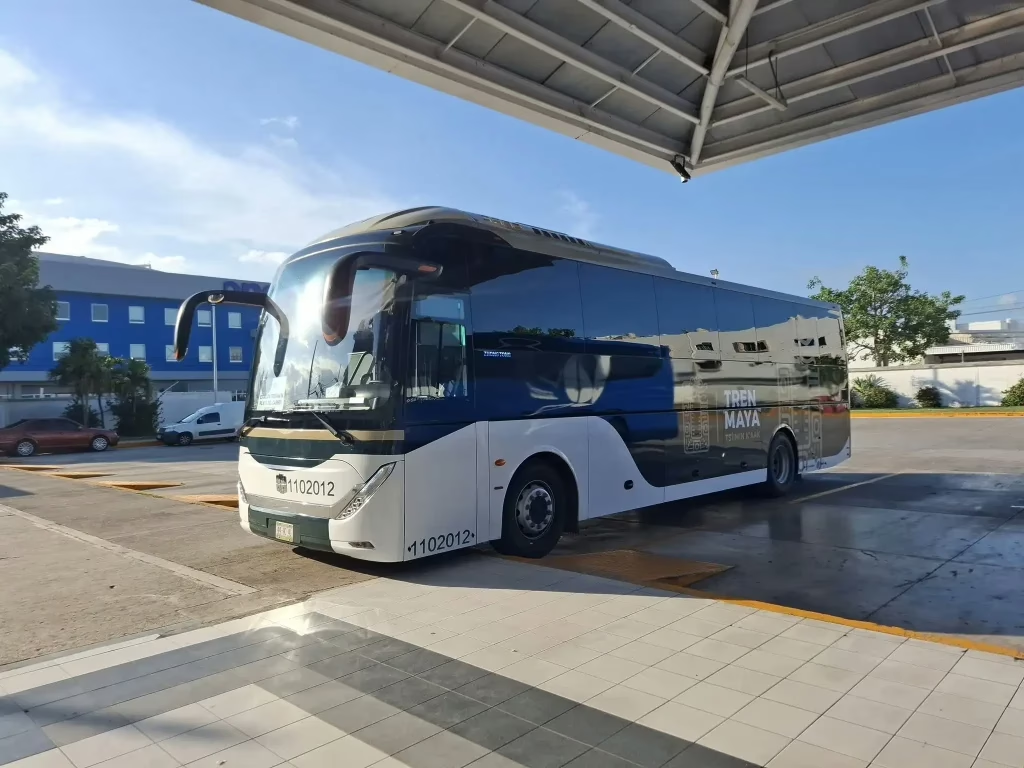
Access to the Maya Train from Playacar is done by means of the official connection service that links the station with the city centre (ADO Terminal). The cost of transportation is $55.00 MXN (approximately $5.00 USD) and the trip’s duration is approximately 20 minutes.
Playacar’s Perspective: A Quiet Neighborhood Facing Change
Nestled just south of Playa del Carmen, Playacar is known for its lush, gated environment, sprawling resorts, and upscale condos. The tranquil, tree-lined streets have been home to expats and vacationers seeking an escape from the hustle and bustle. However, with the impending arrival of the Tren Maya—which will pass near the eastern edge of Playacar—there is a mixture of anticipation and apprehension in the air.
For some Playacar residents the Tren Maya represents a concerning shift. A high-speed rail system bringing thousands of passengers through the area is concerning given the increase in noise, privacy, and traffic. While the train promises to boost local tourism and provide easier access to nearby attractions like Tulum and Chichen Itza (Chichʼen Itzaʼ), many Playacar residents worry about the changes the train will bring to their quiet, laid-back lifestyle.
Puerto Aventuras’ Perspective: A Village on the Edge of Progress
About 10 minutes further south of Playa del Carmen, Puerto Aventuras has a different take on the Tren Maya. This small, seaside village is home to a close-knit community of Canadian expats and locals, many of whom work in the tourism or boating industries. The town has always been about easy access to the water, with its marinas and beach-side condos, but as a relatively quieter spot compared to the bustling Playa del Carmen, it’s now preparing for a wave of change.
Puerto Aventuras stands to benefit from the railway’s connection to major cultural sites across the Yucatán Peninsula. For the local business owners, especially those in hospitality, the Tren Maya could bring a steady stream of tourists looking to explore the area. However, with that potential comes the reality of more tourists and higher demand on local infrastructure. While the residents are generally optimistic, there’s an underlying concern about how the village’s quiet charm might shift as the train brings more visitors.
Some residents, though hopeful for the economic advantages, worry about the strain on public services and the delicate balance between tourism and preservation of their natural surroundings. “The beauty of Puerto Aventuras is the fact that it’s a hidden gem, a small place. I just hope it doesn’t lose that,” one condo owner shared.
Looking Ahead: A Region in Transition
For both Playacar and Puerto Aventuras, the Tren Maya shows the capacity of Mexican know-how, although there are perspective that sees this initiative as a double-edged sword. It offers the promise of economic growth, easier access to cultural sites, and improved infrastructure, but it also represents the inevitable march of progress that could change the essence of these beloved communities. Whether seen as a threat or an opportunity, the train will undeniably reshape the Riviera Maya in ways both expected and unexpected.
As the Tren Maya begins its route in the coming years, the residents of Playacar and Puerto Aventuras will undoubtedly adapt to a new chapter in the region’s history. The challenge will be ensuring that growth is balanced with preservation — preserving the tranquility of Playacar and the charm of Puerto Aventuras, while embracing the benefits that this ambitious project promises to bring.
Final Thoughts
The Maya Train is a monumental project that promises to reshape the landscape of the Yucatán Peninsula. Whether it will meet its ambitious goals or face significant setbacks remains to be seen. However, one thing is clear: the Maya Train is poised to be a defining feature of Mexico’s infrastructure landscape for decades to come, with the potential to bring both opportunities and challenges in equal measure.