Tucked away in the southern reaches of Quintana Roo, near the Belizean border, lies Bacalar, one of Mexico’s best-kept secrets. Known as the Lagoon of Seven Colors, this charming town offers turquoise waters, rich history, and a tranquil alternative to the bustling resorts of Cancún and Playa del Carmen.
History
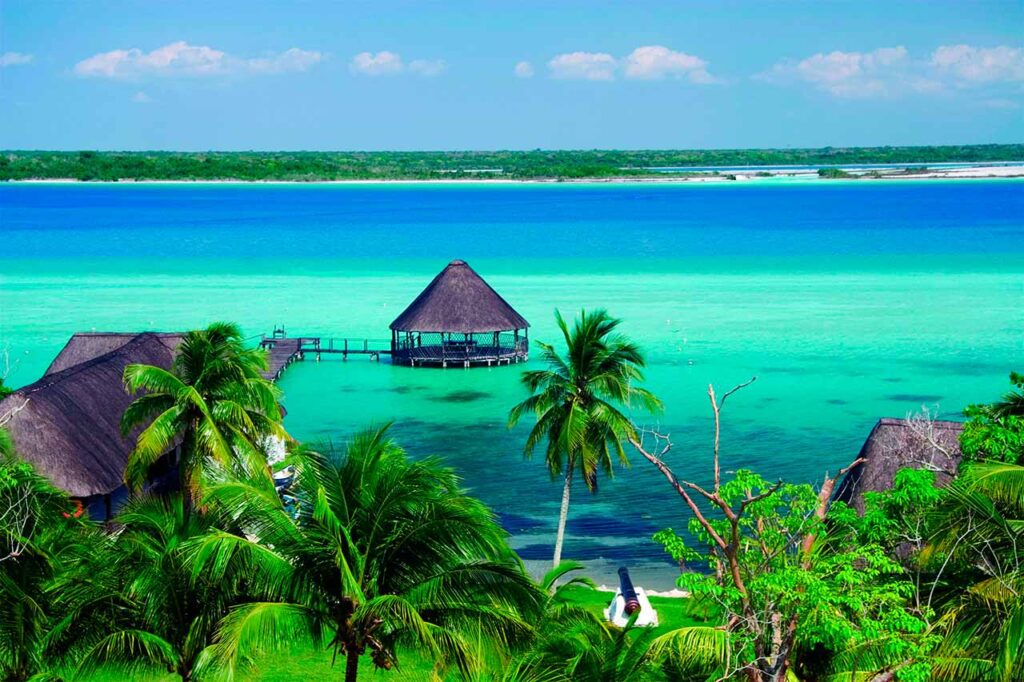
Bacalar was a city of the Maya civilization in Pre-Columbian times. It was founded in 415 A.D. with the name of “Sian Ka’an Bakhalal.” It was the first city in the region that the Spanish Conquistadores succeeded in taking and holding in 1543. This happened during the 1543–1544 Pachecos entrada. In 1545 Gaspar Pacheco established the Spanish town here with the name Salamanca de Bacalar with the help of Juan de la Cámara. Furthermore, the southern half of what is now Quintana Roo was governed from Bacalar. This part was answerable to the Captain General of Yucatán in Mérida.
After pirates sacked the town in the 17th century, the Fortress de San Felipe Bacalar was completed in 1729. It may be visited today.
In 1848 Bacalar had a population of about 5,000. In 1848, during the Caste War of Yucatán, rebellious Chan Santa Cruz Maya conquered the town. It was retaken by the Mexicans in 1902.
Bacalar was named a “Pueblo Mágico” in 2006.
https://en.wikipedia.org/wiki/Bacalar
The Lagoon of Seven Colors
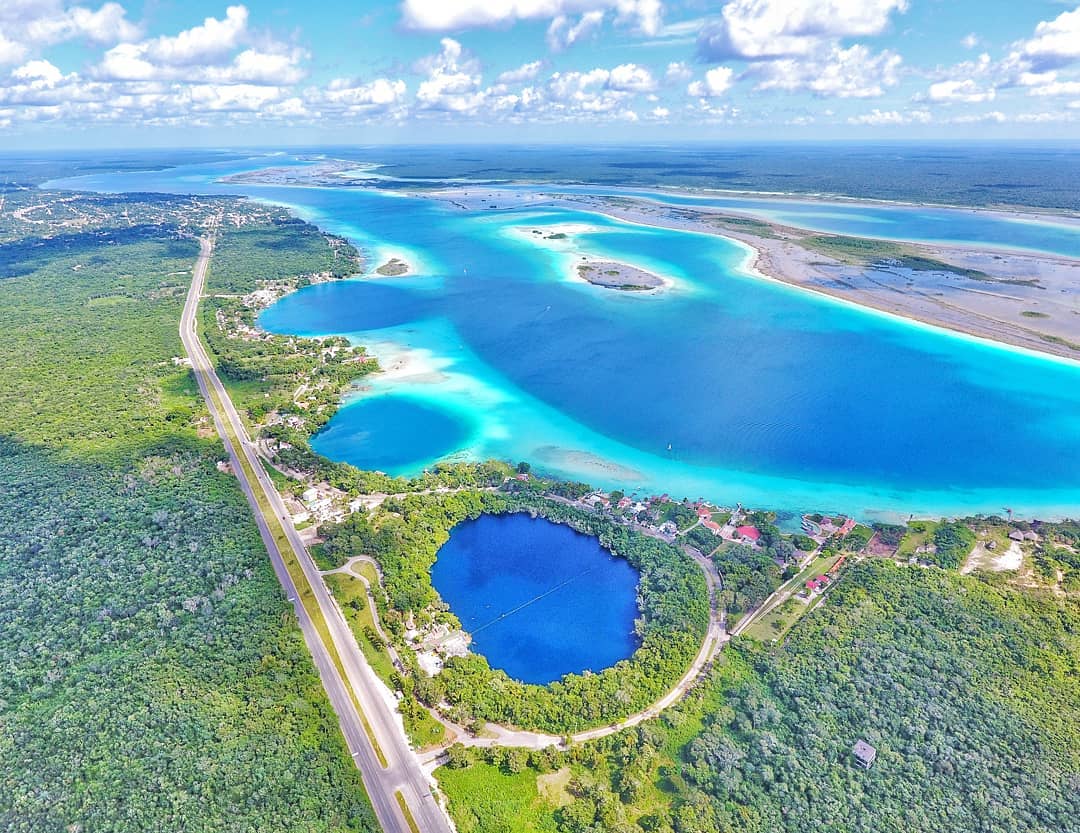
Bacalar’s main attraction is its stunning freshwater lagoon, stretching over 42 kilometers. The name “Seven Colors” comes from the varying shades of blue created by the lagoon’s depth, sandy bottoms, and crystal-clear waters. The hues, ranging from light turquoise to deep navy, shift dramatically as the sun moves across the sky. It makes it a dream for swimmers, kayakers, and photographers.
Unlike the Caribbean coast, Bacalar’s lagoon is freshwater, fed by underground rivers and cenotes. Its calm, shallow areas are ideal for floating or paddleboarding, while adventurous visitors can explore hidden corners by sailboat.
A Town Steeped in History
Bacalar is not only about natural beauty. It carries centuries of history–the town was founded by the Maya, who used the lagoon for trade routes long before Spanish arrival. In the 17th century, Bacalar became a strategic stronghold against pirates. Today, the Fort of San Felipe, built in 1729, still stands as a reminder of these battles. It houses a small museum with artifacts and offers panoramic views of the lagoon.
Cenotes and Natural Wonders
Beyond the lagoon, Bacalar is home to impressive cenotes—natural sinkholes filled with fresh water. The Cenote Azul, just outside town, is one of the deepest in the Yucatán Peninsula. It plunges more than 90 meters. Visitors can swim, snorkel, or simply enjoy a meal at the nearby restaurant with views of the cenote’s dark, mysterious waters.
A Hub for Slow Travel
Unlike Mexico’s major tourist destinations, Bacalar has maintained a laid-back atmosphere. Eco-lodges, boutique hotels, and family-run hostels line the lagoon, blending sustainability with comfort. Visitors come not for nightlife but for peace, nature, and culture.
Cycling through the quiet streets, browsing artisan markets, or enjoying traditional dishes like panuchos or fresh fish from the lagoon all add to the relaxed experience. The town’s growing emphasis on eco-tourism also encourages travelers to enjoy the beauty of the lagoon responsibly, helping preserve its delicate ecosystem.
Gateway to Adventure
Bacalar’s location makes it an excellent base for exploring southern Quintana Roo and beyond. Day trips can take travelers to the ruins of Kohunlich or Dzibanché, where jungle-covered pyramids rise from the trees. For cross-border adventurers, Belize is just a short drive away.
Why Visit Bacalar?
For those seeking an escape from crowded beaches, Bacalar is an oasis of calm. It offers the best of Mexico’s natural beauty—vivid waters, tropical skies, and lush landscapes—paired with a rich cultural heritage. Whether you’re kayaking across glassy waters at sunrise, diving into a cenote, or watching the stars over the lagoon at night, Bacalar is a destination that leaves a lasting impression.
Maya Riviera Condos