
Category: Geography: Culture and Tourism

The category includes areas of tourism and important places for people to visit. It also denotes the intersection between culture, history and traditions.

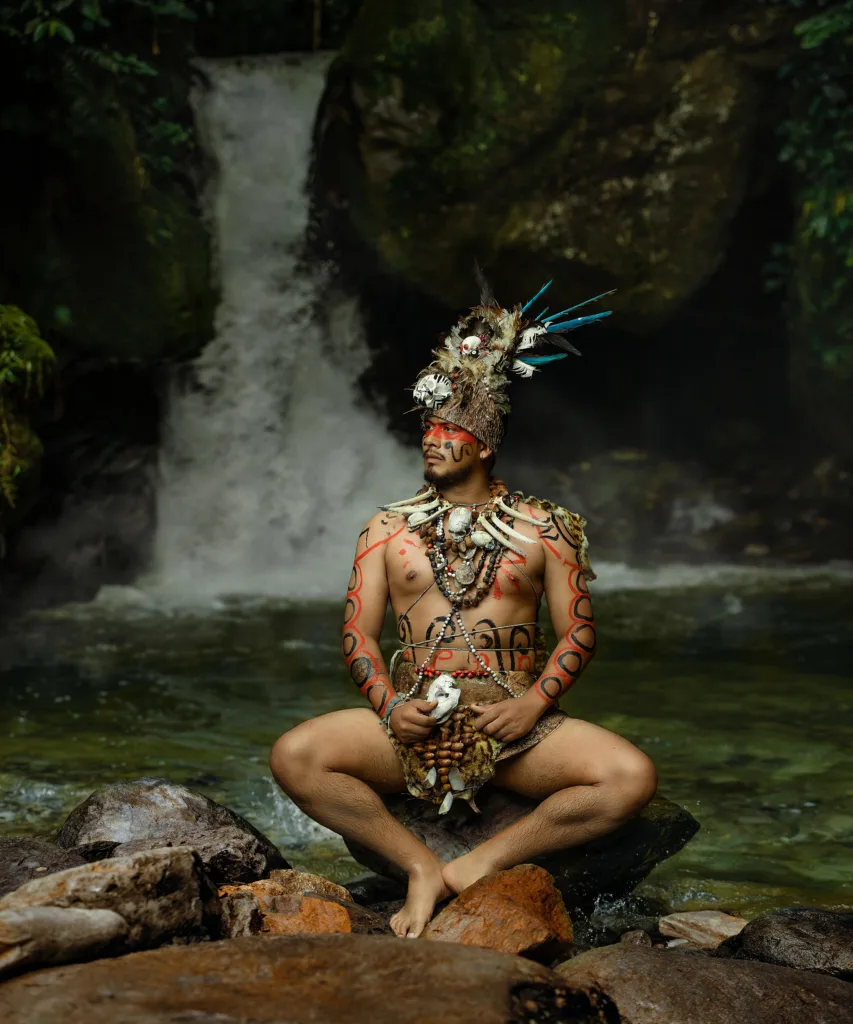
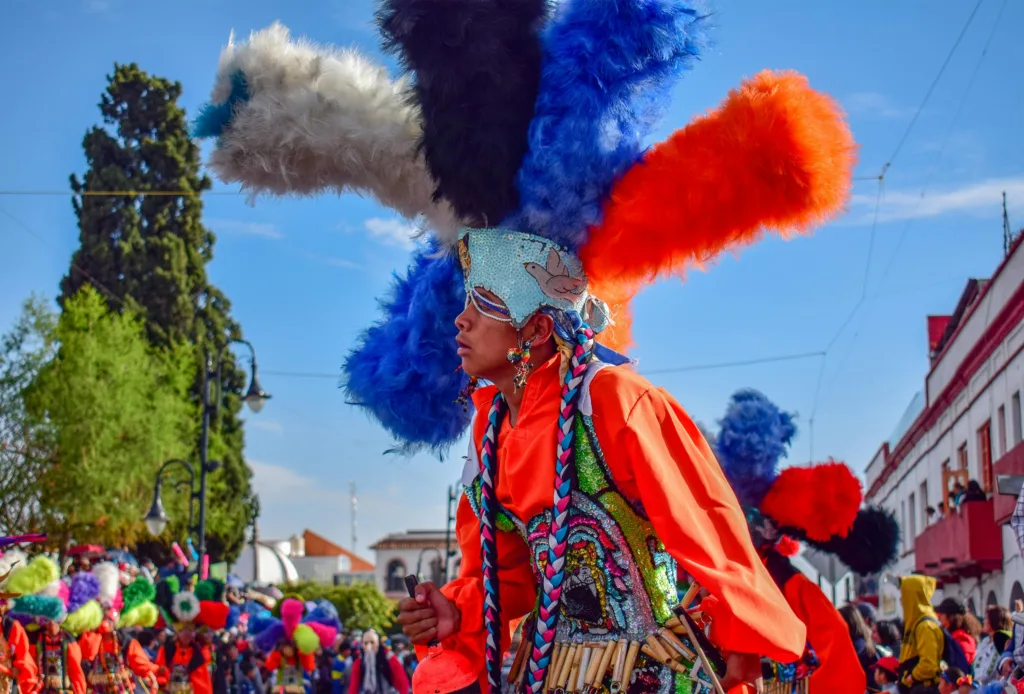
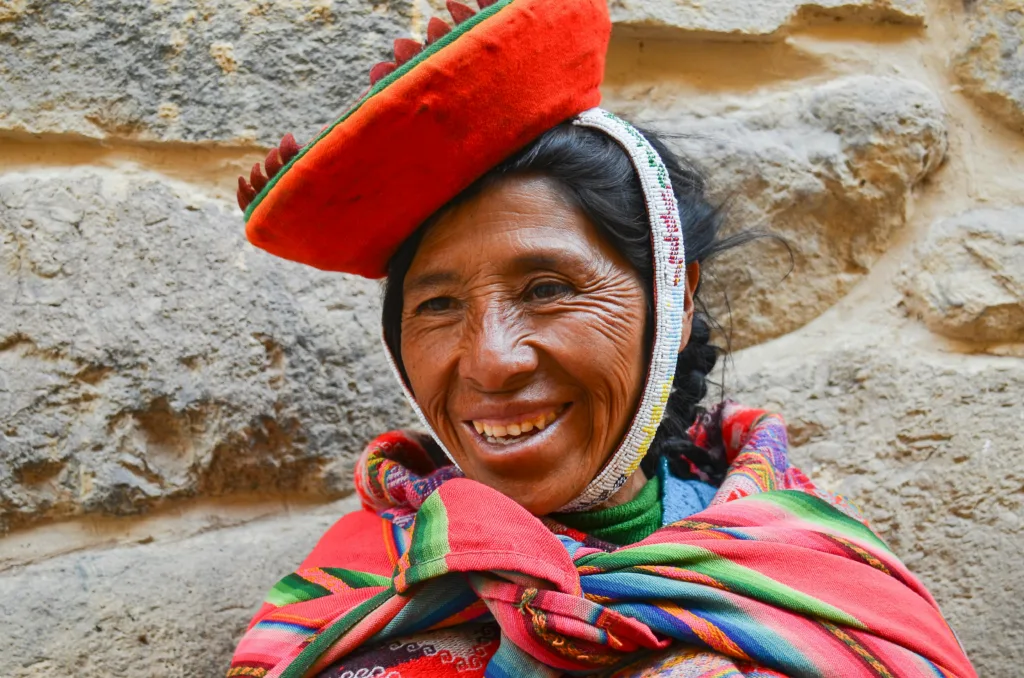
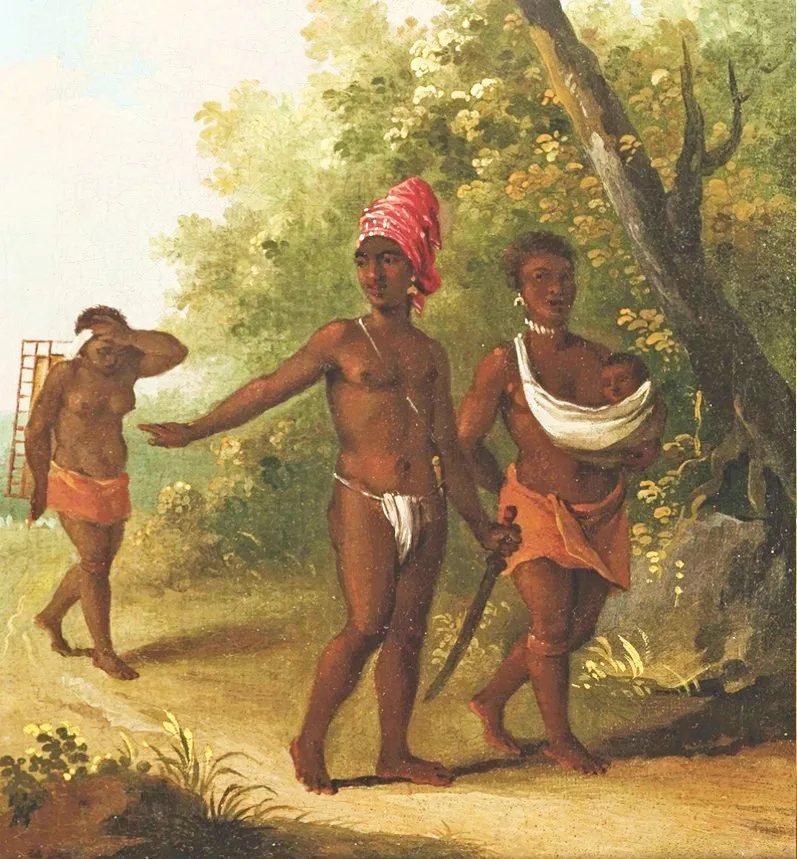
  • Indigenous Peoples in the Americas

    Taki Ongoy — Texto numero 1– Victor Heredia… (Please note, only a small sample of this magnificent work is provided in this article).

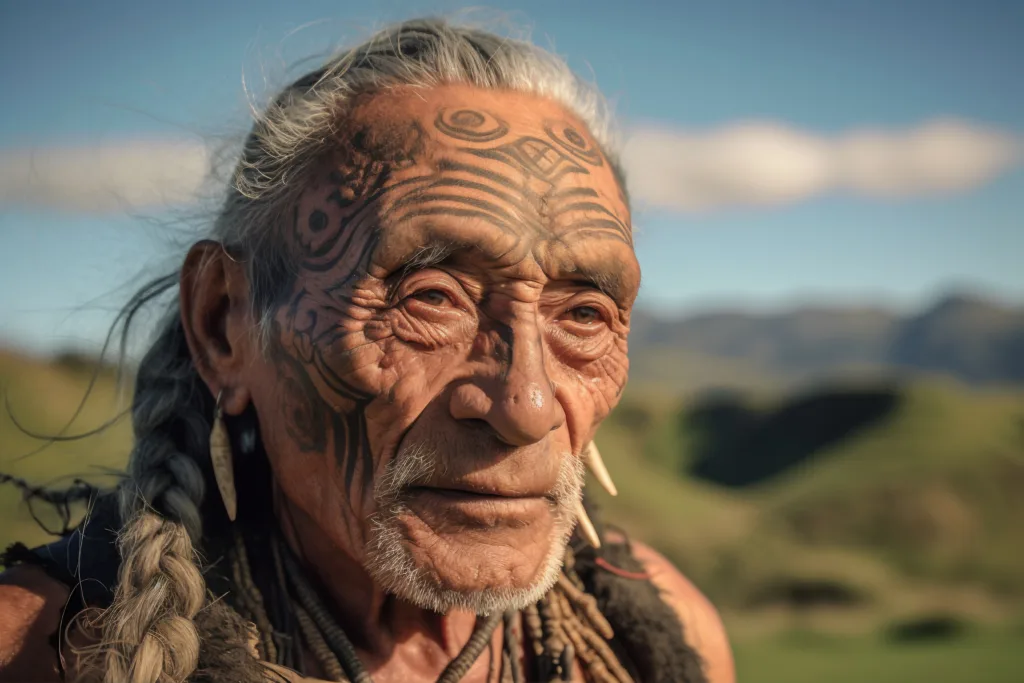
    Our site is fundamentally respectful of the Indigenous peoples that populated the Americas (and YES! there is more than one America) long before Vikings and Spaniards “discovered” the continent. These people today continue their struggles to keep their territories, cultures, and ways of being, and stop the pillage which has been imposed over centuries of colonialism.

    Colonial powers may change, their intentions and brutality do not.

    This is why in this site we pay homage to Indigenous wisdom, culture, traditions and ownership of the vast territory they share with us. As stewards of the environment, Indigenous peoples have a lot to share about caring for the environment and protection from the unrelenting assault to the Americas.

    The Haida people of western Canada like to remind us that: “We do not inherit the earth from our ancestors, we borrow it from our children.”

    This is why we will undertake to publish a series of articles that will show the richness and diversity of Indigenous cultures in the Americas, their struggle and spirit of resistance. We do not intend to be exhaustive with this exposé–we aim for readers to do their own research. Today more than ever Indigenous people should be an inspiration to fight unrestricted capitalism, ignorance, and the pseudo-supremacy that today seeks to impose itself with the advent of the Ugly Imperialist.

    As described by the Kuna of Panama, Indigenous peoples are more than just present, they are at the centre of a justice and freedom rebuilding process in our societies. Indigenous’ peoples beliefs have been negated for too long.

    Others have spoken for Indigenous peoples and “have imposed their political ideologies upon us“. “[Kunas] are very conscious that the struggle for justice will not be achieved by Indian people alone. An alliance with other oppressed sectors is necessary. However, this alliance should emerge from an atmosphere of respect for our differences“.

    There are more than 40,000,000 people in Latin America and the Caribbean that belong to the almost 600 indigenous peoples of the continent, many of whom are in Mexico, Peru, Guatemala, Bolivia, Chile and Ecuador. According to World Bank figures, 12.76% of the entire American population and approximately 40% of the rural population is indigenous.

    In 2000 it was estimated that there are between 6 and 7 million of natives living in Central America (people with one African Caribbean or mestizo parent were also taken into account). The “Mesoamerican” languages and cultures extend from Yucatán and Chiapas in Mexico to Matambú on the Nicoya Peninsula in Costa Rica; and, Mesoamerican ethnic groups primarily inhabit the highlands and lowlands of Petén in Guatemala, with communities spread across Honduras, El Salvador, and Nicaragua.

    A Rich Tapestry of Cultures, Struggles, and Resilience

    In Latin America, Indigenous nations represent some of the region’s most significant cultural and demographic groups with deep historical roots that stretch back thousands of years. The history of Indigenous populations in the region is one of profound resilience, survival, and adaptation in the face of colonization, globalization, and modern-day challenges. This article is an introduction to a series of posts that will provide a more detailed view Indigenous peoples and the contemporary issues they face.


    The Rich History and Cultural Diversity of Indigenous Peoples in Latin America

    Pre-Colonial Civilizations

    Before European colonization, the Americas were home to a vast number of Indigenous societies, each with its own distinct languages, traditions, and ways of life. In what is now Latin America, some of the most well-known pre-Columbian civilizations include:

    • Aztecs (Mexica): Centered in modern-day Mexico, the Aztecs were known for their advanced agricultural systems, complex social structure, monumental architecture (such as the Templo Mayor), and vast trade networks. Their capital, Tenochtitlán, was one of the largest cities in the world at the time of Spanish arrival.
    • Maya: The Maya civilization stretched across southern Mexico, Guatemala, Belize, Honduras, and El Salvador. The Maya were known for their advances in astronomy, mathematics, architecture, and the development of the only fully developed written language in pre-Columbian Americas.
    • Incas: Spanning much of the Andean region, the Inca Empire was the largest empire in pre-Columbian America, with territories covering parts of modern-day Peru, Ecuador, Bolivia, Chile, Argentina, and Colombia. The Inca built an extensive network of roads, impressive stone structures (such as Machu Picchu), and sophisticated agricultural systems.
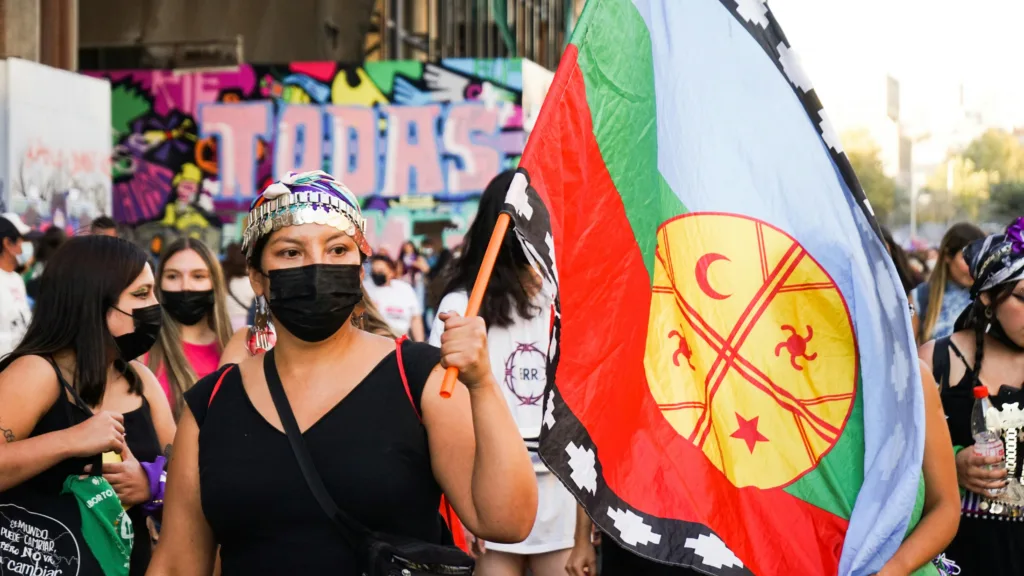
    • Mapuches: Indigenous to Chile and Argentina, the Mapuche resisted Spanish colonization for centuries and continue to play a central role in regional politics and culture today.
    • Guaraníes: Residing primarily in Paraguay and parts of Brazil, Argentina, and Bolivia, the Guaraní have a long history of farming, storytelling, and resistance to colonial and post-colonial forces.
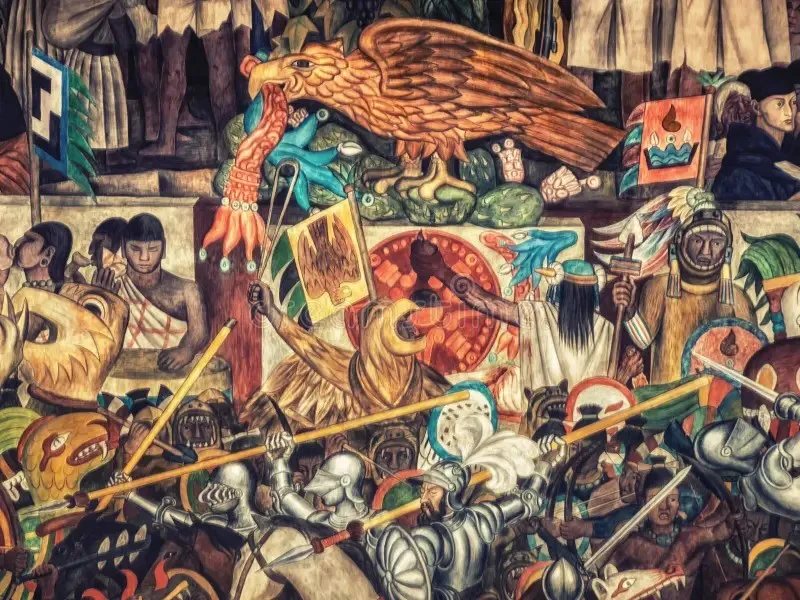
    Artxpaint com
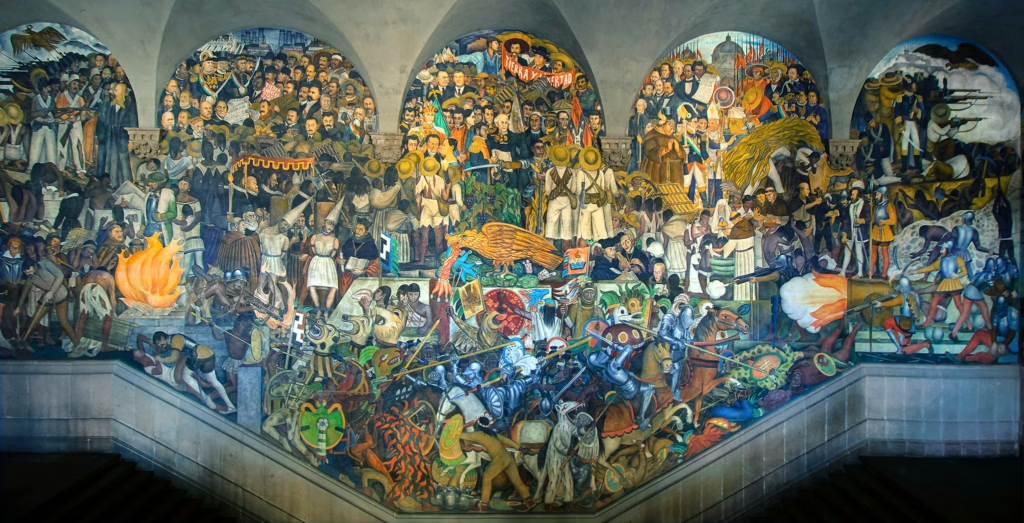
    The great Diego Rivera – Zocalo, the fight against the Spaniards (dowloaded from Artxpaint.com)

    These civilizations, along with many others, were not monolithic. They were diverse in language, religion, and social structure, but they shared a deep connection to the land, with many societies emphasizing communal living, agricultural practices, and respect for nature.

    The Impact of Spanish and Portuguese Colonization

    When the Spanish and Portuguese arrived in the Americas in the late 15th and early 16th centuries, they encountered flourishing Indigenous civilizations. However, the ensuing colonization had a devastating impact on these societies.
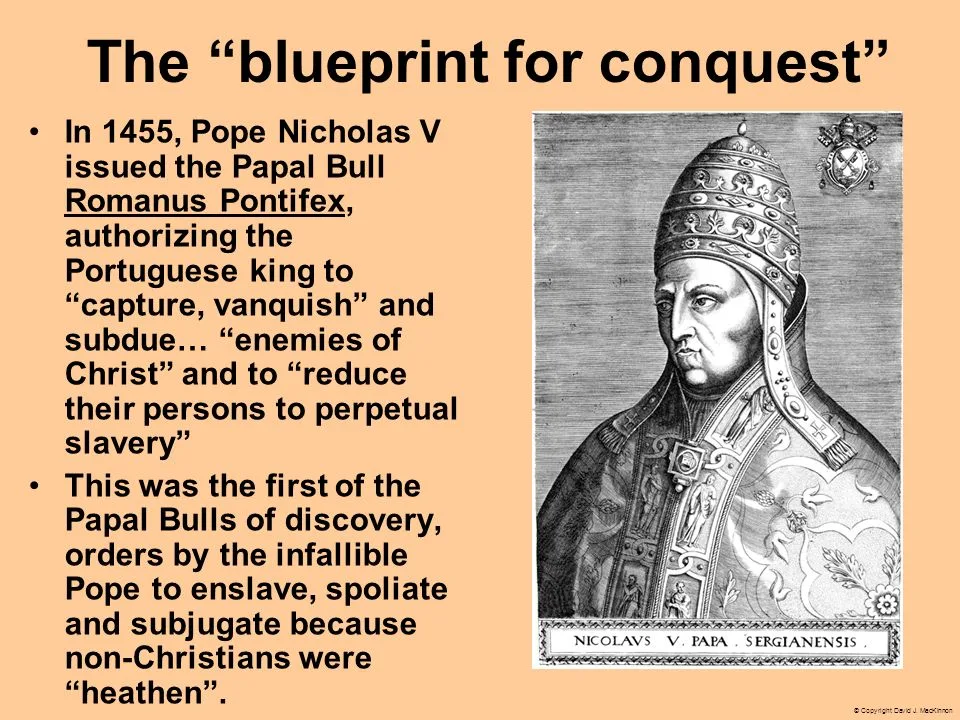
    The Blueprint for Conquest
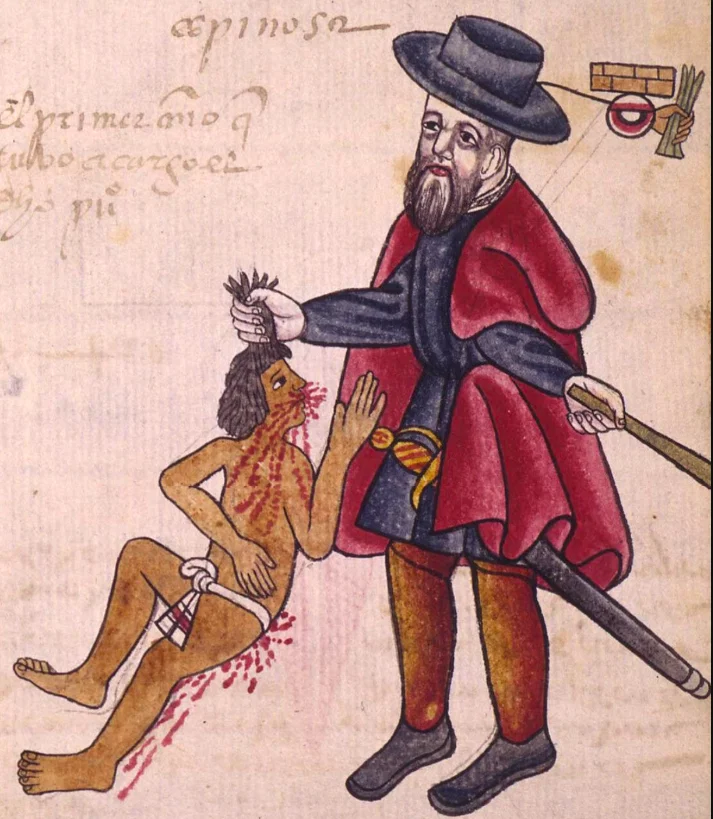
    Encomendaro abusing an Indigenous man
    Encomendaro abusing an Indigenous man (British Museum, London-public domain)
    • The Decimation of Indigenous Populations: Diseases such as smallpox, influenza, and measles, brought by Europeans, decimated Indigenous populations, with some estimates suggesting that up to 90% of the Indigenous population died in the first century of contact. The forced labor systems, such as the encomienda in Spanish territories, also contributed to widespread suffering.
    • Cultural Assimilation and Forced Conversion: The colonial powers imposed Christianity on the Indigenous peoples, often forcibly converting them to Catholicism and attempting to erase their traditional beliefs and practices. The destruction of sacred sites and the suppression of Indigenous languages and customs were also common during this time.
    • Land Dispossession and Slavery: Europeans claimed Indigenous lands for farming, mining, and settlement. Indigenous people were either displaced or forced into servitude in the burgeoning colonial economies. The Spanish and Portuguese employed brutal systems of forced labor, such as the mita system in the Inca heartland, where Indigenous people were made to work in silver mines under inhumane conditions.
    Aya Marcay Quilla – Taki Ongoy (Victor Heredia and Mercedes Sosa)

    Never lose your child in your arms. Never suffer such pain. It will seem like the world is ending that something inside broke. There will be no pain that can overcome me the little Indian fell asleep. The black plague of the foreigner his laughter took away. Aya Marcay Quilla will bring him back but he won’t smile at me the sparkle in his eyes has already faded.


    Contemporary Indigenous Peoples in Latin America

    Demographics and Distribution

    Today, Indigenous peoples in Latin America constitute a significant part of the region’s population. According to estimates from the Economic Commission for Latin America and the Caribbean (ECLAC), there are around 45 million Indigenous people in Latin America, accounting for approximately 8% of the total population. They live in every country of the region, with the largest concentrations in Mexico, Guatemala, Peru, Bolivia, Ecuador, and Brazil. Despite their numbers, Indigenous communities are often marginalized and face significant challenges.

    Indigenous Languages

    Four hundred Indigenous languages are spoken across the Americas. Some of the most widely spoken include Quechua, Aymara, Nahuatl, Guaraní, Mayan languages, and Mapudungun. However, many of these languages are at risk of extinction.

    Cultural Continuity and Revitalization

    In spite efforts to assimilate Indigenous populations, many communities have maintained and revitalized their cultural practices, languages, and traditional knowledge. In recent decades, there has been a cultural renaissance among Indigenous peoples, as they began to assert their identity and fight to preserve their heritage. This has included:

    • Language Revitalization: Efforts to preserve and teach Indigenous languages in schools and communities have become an important part of the cultural renaissance. Some countries, such as Bolivia and Ecuador, have recognized Indigenous languages as official languages alongside Spanish.
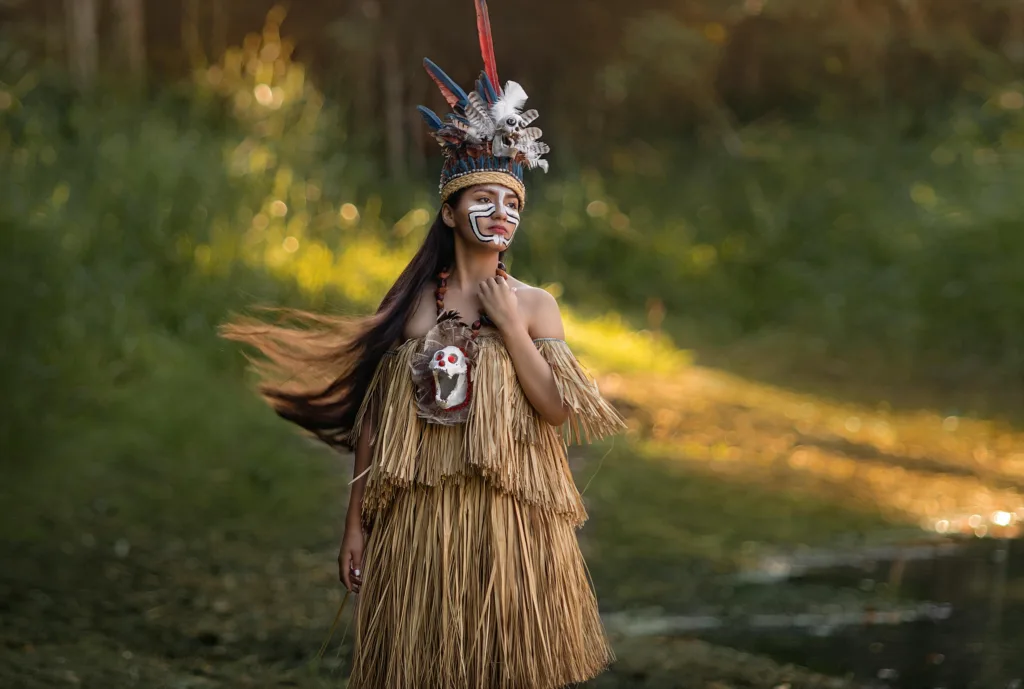
    • Traditional Dress and Crafts: Many Indigenous groups continue to wear traditional clothing, especially during cultural celebrations and ceremonies. Textile arts, pottery, and weaving are also essential to many Indigenous economies and cultural practices.
    • Spiritual Practices: Indigenous spiritual traditions, including animism, ancestor worship, and the use of sacred plants like ayahuasca and peyote, have been maintained in some communities, despite centuries of colonial and religious suppression.

    Social, Political, and Economic Struggles

    Land and Resource Rights

    Una tierra sin memoria — Taki Ongoy (Victor Heredia)

    One of the most pressing issues for Indigenous communities in Latin America today is the fight for land rights. Many Indigenous peoples live on territories that are rich in natural resources, such as oil, gas, and minerals (lithium is the new gold rush), which makes them vulnerable to exploitation by governments and multinational corporations. These companies often seek to extract resources from Indigenous lands without proper consultation or compensation, leading to widespread land dispossession and environmental degradation.

    Indigenous communities have fought for decades to protect their lands and have gained some legal victories. For example, in Bolivia, the Law of Indigenous Land and Territory (2009) recognized Indigenous peoples’ right to their ancestral lands. Similarly, Brazil’s Indigenous Land Act (1988) provides a legal framework for the protection of Indigenous territories. However, these laws are often undermined by political pressure from commercial interests.

    Poverty and Marginalization

    Indigenous peoples the Americas are disproportionately affected by poverty, lack of access to quality healthcare, education, and employment. According to a 2020 report by UNICEF, Indigenous children are more likely to suffer from malnutrition and lack access to education compared to their non-Indigenous peers.

    Indigenous peoples often live in rural, isolated areas, limiting their access to social services and economic opportunities. Urbanization has also led to the displacement of many Indigenous people from their traditional lands, pushing them into slums in major cities, where they face discrimination and poor living conditions.

    Political Representation

    With notable exceptions, Indigenous peoples have been underrepresented in national governments, although notable strides have been made. In Bolivia, Evo Morales, an Aymara Indigenous leader, became the country’s first Indigenous president in 2006. His administration made significant advancements in Indigenous rights, including constitutional reforms recognizing the country as a plurinational state and granting collective land rights to Indigenous communities.

    Other Latin American countries, such as Guatemala, Mexico, and Ecuador, have also seen Indigenous leaders rise to positions of political power, although systemic discrimination and challenges to Indigenous political participation persist.


    Indigenous Movements and International Solidarity

    Indigenous movements across Latin America have become more organized and vocal in recent decades, fighting for their rights and recognition. The Declaration on the Rights of Indigenous Peoples (2007), adopted by the United Nations, has become a key international document supporting Indigenous rights, emphasizing self-determination, cultural preservation, and land protection

    Many non-governmental organizations (NGOs) and international bodies also work alongside Indigenous communities to support their struggles, though the fight for Indigenous rights is far from over. Challenges remain in the areas of land dispossession, environmental degradation, violence against Indigenous activists, and the fight for political autonomy.


    Conclusion

    The Indigenous peoples of Latin America have endured centuries of colonization, violence, and oppression, yet they have managed to preserve and adapt their cultures, traditions, and languages. Today, Indigenous communities continue to face significant challenges, including poverty, land dispossession, and marginalization, but they are also asserting their rights with increasing visibility and political power.

    The resilience and determination of Indigenous peoples in Latin America serve as a testament to their enduring strength and cultural significance. As the fight for justice continues, it is clear that Indigenous communities will remain at the forefront of the region’s social, political, and cultural transformations.
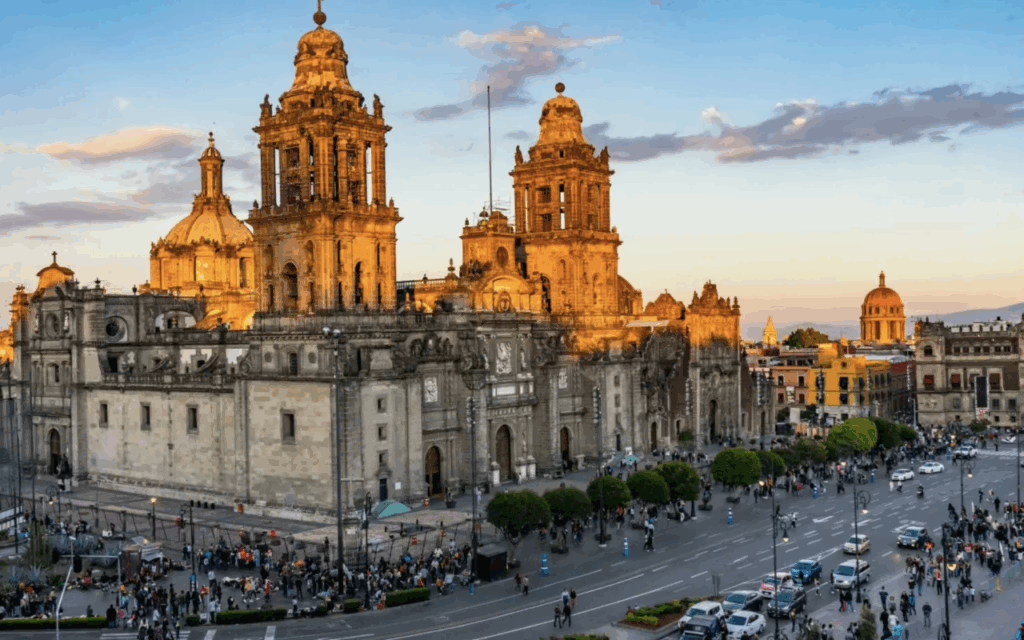
  • Mexico

    Note to readers

    While this website was created to support the sharing of our two properties in the Riviera Maya, over time we have expanded our blog far beyond the traditional tourist guide. We view this expansion as essential to develop a better understanding of Mexico and Latin America, its culture and people at times when there is a concerted effort by supremacists to belittle Latin Americans and to impose a vindictive and inhumane policy approach that seeks to minimize human dignity.

    At times like this, it is imperative for righteous people to unite and to show that failed historical attempts to impose these doctrines of hate will fail one more time. This is why we will redouble our efforts to describe the unique beauty, culture, or spirit of people from Latin America. Latin American countries are diverse in culture, geography, and people, and beauty is often appreciated both in terms of physical appearance and inner qualities, such as warmth, resilience, and passion.

    This is also why we will continue to highlight our resistance to hate from the perspective of the arts, and the lens of culture and social development. The planet is small and we deserve nothing less.


    Mexico: A Nation of Culture, History, and Resilience

    Mexico, officially known as the United Mexican States (Estados Unidos Mexicanos), is a vibrant and diverse country located in the southern part of North America. Bordered by the United States to the north and Guatemala and Belize to the south, Mexico is a land of striking contrasts — from vast deserts and tropical rainforests to ancient ruins and bustling modern cities. With a population of over 130 million people, it is the most populous Spanish-speaking country in the world and one of the most culturally influential nations in the Americas.

    A Rich Historical Legacy

    Mexico’s history stretches back thousands of years, long before the arrival of Europeans. It was home to several advanced civilizations, including the Olmecs, Mayans, and Aztecs, who left behind impressive architectural and scientific achievements. The Aztec capital, Tenochtitlán, built on what is now Mexico City, was one of the most sophisticated cities of its time.

    In 1521, Spanish conquistador Hernán Cortés led the conquest of the Aztec Empire, marking the beginning of over 300 years of Spanish colonial rule. The struggle for independence culminated in 1810 with the Grito de Dolores, led by Miguel Hidalgo y Costilla, and Mexico officially gained independence in 1821. Since then, the country has experienced revolutions, reforms, and a journey toward democracy.

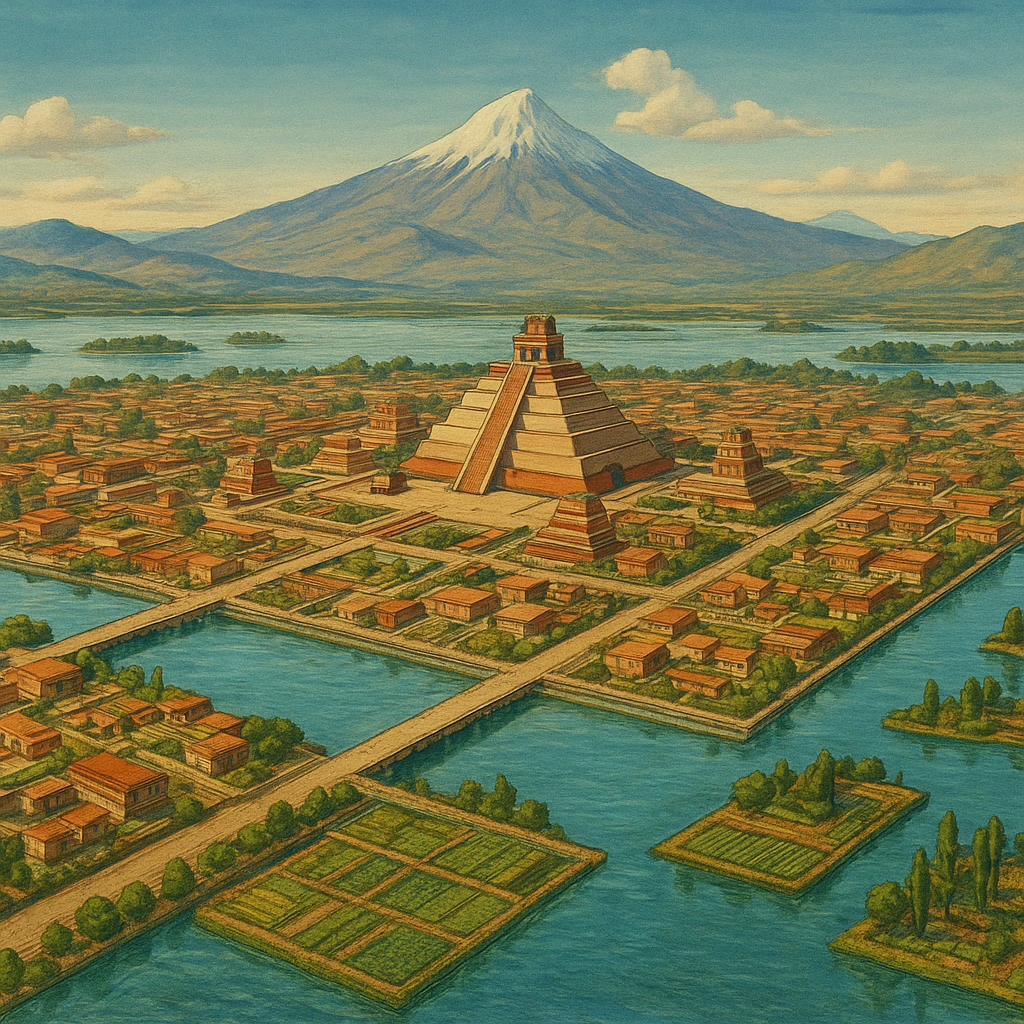
    Tenochtitlán, sophisticated Indigenous city in what is now Mexico City

    Cultural Wealth and Identity

    Diego Rivera history westwall
    Diego Rivera: History West Wall

    Mexico’s culture is a unique blend of indigenous traditions and Spanish influences, producing an identity that is both deeply rooted and ever evolving. Renowned artists such as Frida Kahlo and Diego Rivera captured the struggles and beauty of Mexican life through their work, while mariachi music, folk dances, and traditional crafts remain symbols of national pride.

    Mexican cuisine, recognized by UNESCO as an Intangible Cultural Heritage of Humanity, is a reflection of the country’s diversity. Dishes like tacos, tamales, mole, and pozole highlight regional flavors and centuries of culinary evolution. Ingredients such as corn, chili, and chocolate — all native to Mexico — have shaped global cuisine.

    Natural Beauty and Biodiversity

    Geographically, Mexico is one of the most biodiverse countries in the world. It features stunning landscapes, from the Sierra Madre mountains and Copper Canyon to the Yucatán Peninsula and Baja California coastline. Its ecosystems support thousands of species of plants and animals, some found nowhere else on Earth. Mexico’s national parks and protected areas play a vital role in global conservation efforts.

    Economy and Modern Development

    Mexico has the second-largest economy in Latin America, driven by manufacturing, agriculture, and a growing technology sector. It is a member of the CanadaUnited States-Mexico Agreement (CUSMA), which strengthens trade ties with its North American neighbors. Tourism is also a major contributor, attracting millions of visitors each year to destinations like Cancún, Chichen Itzá, Mexico City, and Oaxaca.

    Despite its progress, Mexico faces challenges such as social inequality and security issues. However, the country continues to make strides in education, renewable energy, and cultural preservation.

    A Nation Looking Forward

    Mexico stands as a bridge between the ancient and the modern, tradition and innovation. Its people — known for their warmth, creativity, and resilience — continue to shape the nation’s destiny with pride and determination. As the world becomes increasingly interconnected, Mexico’s cultural and economic influence continues to grow, solidifying its place as a global leader in art, cuisine, and human spirit.

    Poetry of Mexico

    Jaime Sabines (Chiapas, 1926 – Mexico City, 1999)

    Jaime Sabines used everyday places like streets, courtyards, and hospitals to transform literature into reality. This is how he became a great Mexican poet, writer, and politician.

    Jaime Sabines was born on March 25, 1926, in Tuxtla Gutiérrez, Chiapas. He came from a cultured family connected to Mexican history and politics. His parents were Julio Sabines from Lebanon and Luz Gutiérrez from Mexico.


    "The Moon"
    by Jaime Sabines

    You can take the moon in spoonfuls
    or in tablets once every two hours.
    It works as a hypnotic and a sedative
    and also provides relief
    for those who have an overdose of philosophy.
    A piece of moon in your pocket
    is a better charm than a rabbit's paw:
    it helps to find someone to love,
    to be rich without anybody knowing
    and keeps doctors and hospitals away.
    You can give it as a dessert to children
    when they can't get to sleep,
    and a few drops of moon in the eyes of the old
    help to die well.
    Put a tender moon leaf
    under your pillow
    and you will see what you would like to see
    and always carry a little bottle of moon air
    for when you feel you're suffocating
    and give the moon's key
    to prisoners, and the disenchanted.
    For those sentenced to death
    and those condemned to life
    there is no better tonic than the moon
    in precisely measured doses.

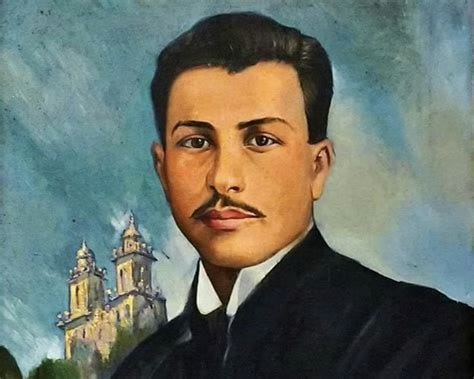
    Ramón López Velarde (June 15, 1888 – June 19, 1921) was a Mexican poet. His work was a reaction against French-influenced modernismo which, as an expression of a purely Mexican subject matter and emotional experience, is unique. He achieved great fame in his native land, to the point of being considered Mexico’s national poet.

    "La Suave Patria"
    by Ramón López Velarde

    "Oh, the homeland, gentle and warm,
    She gives birth in pain and cries,
    But she is strong, always standing,
    In the face of turmoil and lies."
    Ramon lopez velarge

  • Swimming with Whale Sharks in Holbox

    A Once-in-a-Lifetime Experience

    On the northern tip of the Yucatán Peninsula, just off the coast of Mexico, lies Holbox Island—a car-free paradise of sandy streets, hammocks by the sea, and spectacular wildlife. Among its many wonders, none is more unforgettable than the chance to swim with whale sharks, the gentle giants of the ocean.


    Meeting the Giants of the Sea

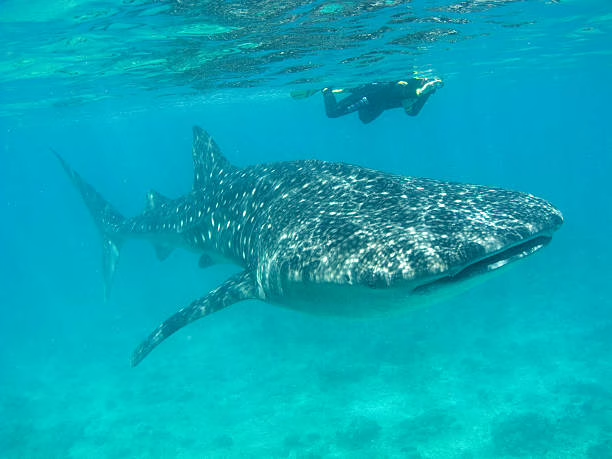
    Despite their name, whale sharks are not whales at all but the world’s largest fish, growing up to 12 meters (40 feet) long. Their spotted skin, wide mouths, and graceful movements make them look prehistoric—yet their nature is calm and non-aggressive. They are filter feeders, gliding through the warm Caribbean waters in search of plankton and small fish.

    Every year, between June and September, hundreds of whale sharks migrate to the waters around Holbox, drawn by the abundance of nutrients. This seasonal gathering is one of the largest in the world, giving visitors the rare opportunity to observe these creatures up close in their natural environment.

    Whale shark with snorkeler
    Whale shark with snorkeler

    The Experience

    A typical whale shark tour begins early in the morning. Local guides, many of them born and raised on the island, take travelers out by boat into the deep turquoise waters north of Holbox. After spotting a whale shark, groups take turns entering the water in pairs, accompanied by a guide.

    The moment you slip into the sea, the sheer size of the animal is breathtaking. Swimming alongside a creature that could easily outsize a bus, yet moves with such calm elegance, is a humbling reminder of the ocean’s majesty.

    Encounters are brief—usually just a few minutes at a time—but the memory lasts forever.

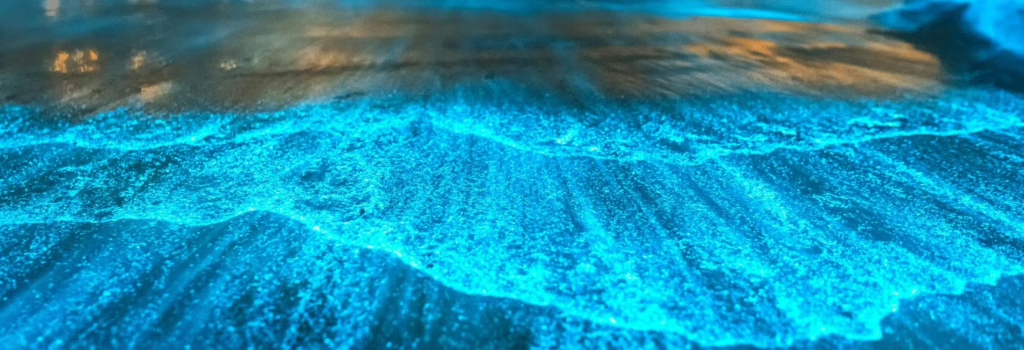
    Holbox bioluminescent beach
    Bioluminescent Water At Night

    Responsible Tourism

    Holbox is part of the Yum Balam Nature Reserve, and protecting whale sharks is a priority. Licensed tour operators follow strict rules:

    • Only two swimmers plus one guide are allowed in the water with each whale shark.
    • Touching the animals is strictly prohibited.
    • Snorkeling gear is provided—scuba diving is not permitted.
    • Boats must keep safe distances and avoid crowding the animals.

    By following these guidelines, visitors help ensure that Holbox remains a safe and sustainable destination for both wildlife and people.


    Beyond the Whale Sharks

    While whale sharks are the star attraction, Holbox offers much more:

    • Bioluminescent beaches in summer, where the sea sparkles at night.
    • Flamingos and pelicans in the shallow lagoons.
    • Kite surfing, kayaking, and paddleboarding in calm waters.
    • Laid-back village life, with colorful murals, fresh seafood, and friendly locals.

    Holbox combines adventure with relaxation—swimming with whale sharks in the morning, lounging in a hammock by afternoon, and dining on ceviche under the stars by evening.


    Tips for Travelers

    • Best Season: June to September, with peak sightings in July and August.
    • Book Early: Tours sell out quickly during peak months.
    • What to Bring: Eco-friendly sunscreen, hat, light clothing, and a waterproof camera.
    • Getting There: Holbox is accessible by ferry from Chiquilá, which is about 2–3 hours by car or bus from Cancún or Playa del Carmen.

    Why It Matters

    Swimming with whale sharks in Holbox is not just an adventure—it’s a profound encounter with nature’s balance. These gentle creatures remind us of the ocean’s vulnerability and our role in protecting it. For many travelers, it becomes the highlight of their Yucatán journey, an experience that blends awe, respect, and a deep connection to the sea.


    Maya Riviera Condos

  • The Yucatán Peninsula

    A Traveler’s Guide to Culture, Cuisine, and History

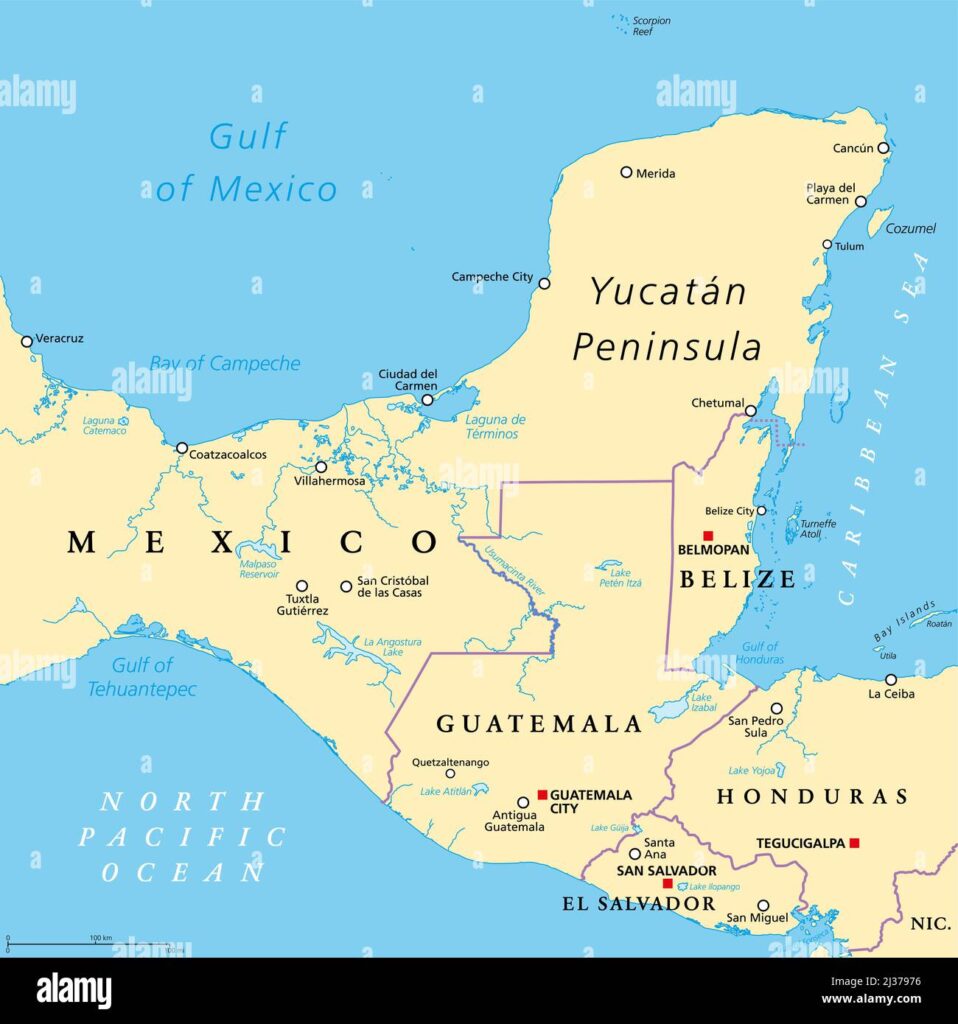
    The Yucatán Peninsula isn’t just Mexico’s gateway to the Caribbean—it’s a destination where ancient civilizations, vibrant traditions, and unforgettable flavors meet. Stretching across Yucatán, Quintana Roo, and Campeche, this region offers travelers far more than beaches and resorts. Here’s how to dive deeper into the heart of the peninsula.

    Yucatan peninsula political map large peninsula in southeastern mexico and adjectants portions of belize and guatemala

    Discovering Mayan Culture

    The Maya are not just history—they’re very much alive in the Yucatán today. Over a million Maya people still live in the region, preserving their language, traditions, and customs. Visitors can experience this living culture by:

    • Exploring villages like Valladolid or Izamal, where markets overflow with handicrafts and traditional huipil dresses.
    • Joining community tours, such as cooking lessons or cenote visits led by Mayan families.
    • Attending festivals, like Hanal Pixán (the Mayan version of Día de los Muertos) or the annual Mérida Fest, which showcase music, dance, and food.

    Travel Tip: Learn a few Mayan phrases such as ba’ax ka wa’alik? (“how are you?”) to connect more deeply with locals.


    Must-See Archeological Sites

    The Yucatán is a paradise for history lovers, with ruins that rival any in the world.

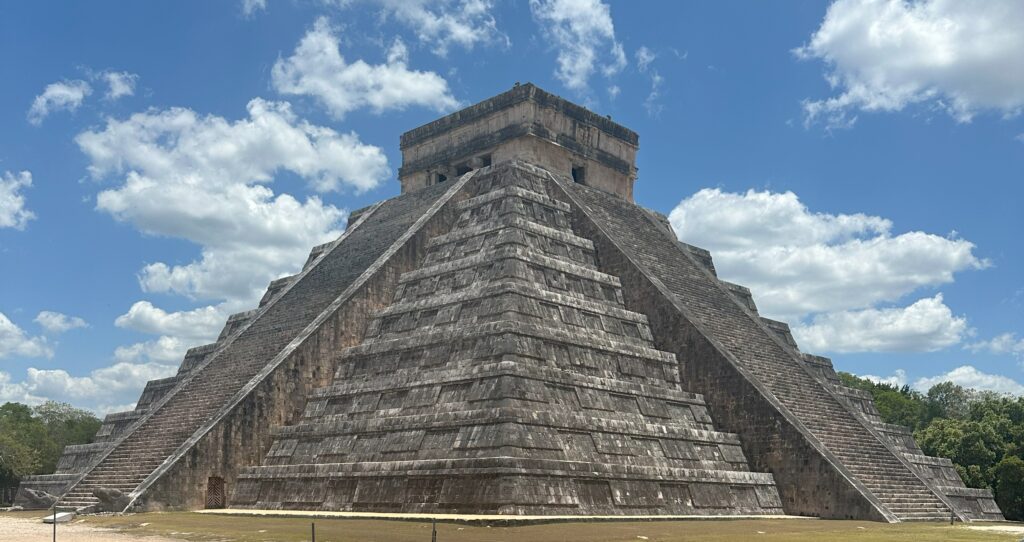
    • Chichén Itzá – A UNESCO World Heritage site and one of the New Seven Wonders of the World. Arrive early to beat the crowds and catch the magical sunrise over El Castillo.
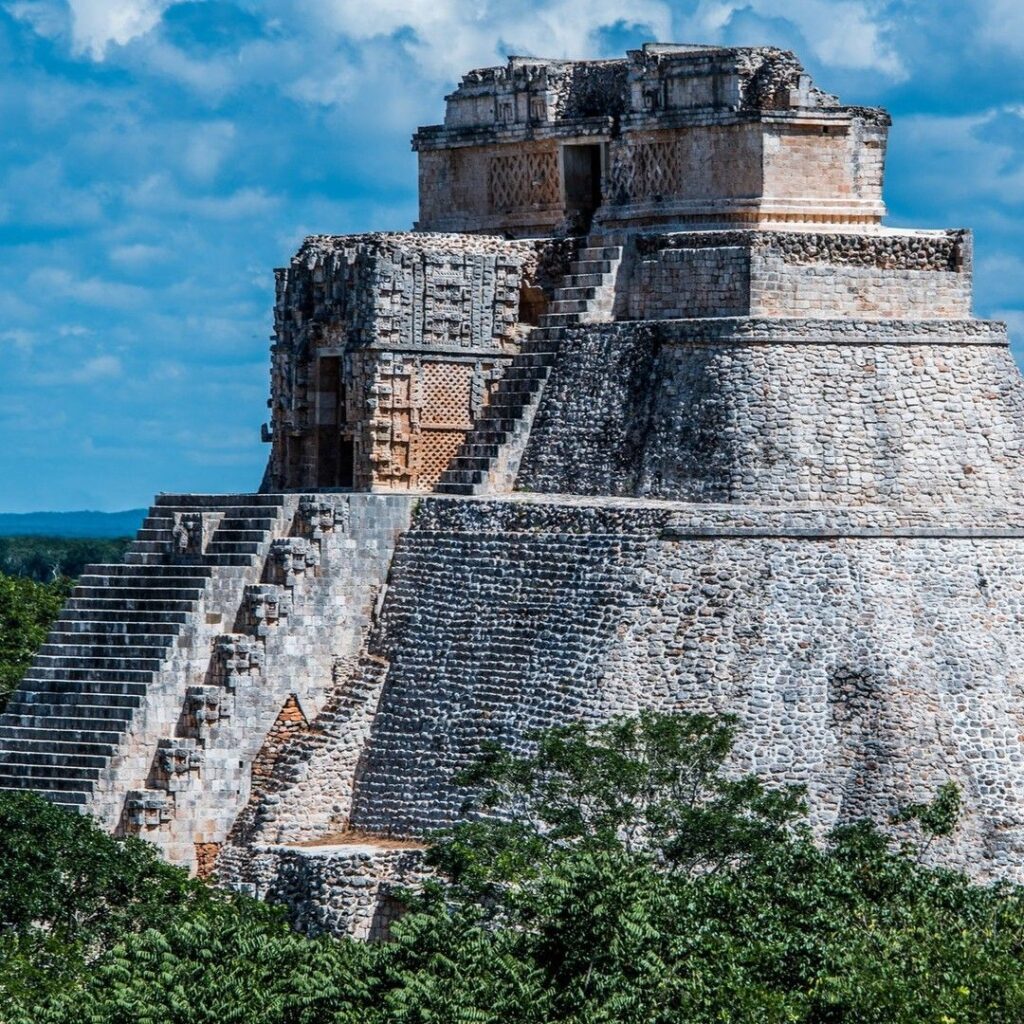
    • Uxmal – Less crowded but equally stunning, Uxmal’s detailed carvings and the Pyramid of the Magician offer insight into Mayan artistry.
    • Tulum – Perched above turquoise waters, this walled city is perfect for combining a history lesson with a beach day.
    • Calakmul – Deep in Campeche’s jungle, this site rewards adventurous travelers with towering temples and wildlife encounters.
    Uxmal, large pyramid. The serpent that moves around the soltice
    Uxmal Large Pyramid
    Chichen itza, UNESCO World Heritage
    Chichén ItzáMaya Riviera Condos

    Travel Tip: Bring water, sunscreen, and comfortable shoes—many ruins involve climbing or long walks under the sun.


    A Taste of Yucatecan Cuisine

    Food in the Yucatán is reason enough to visit. Its bold flavors come from Mayan techniques blended with Spanish and Caribbean influences. Don’t miss:

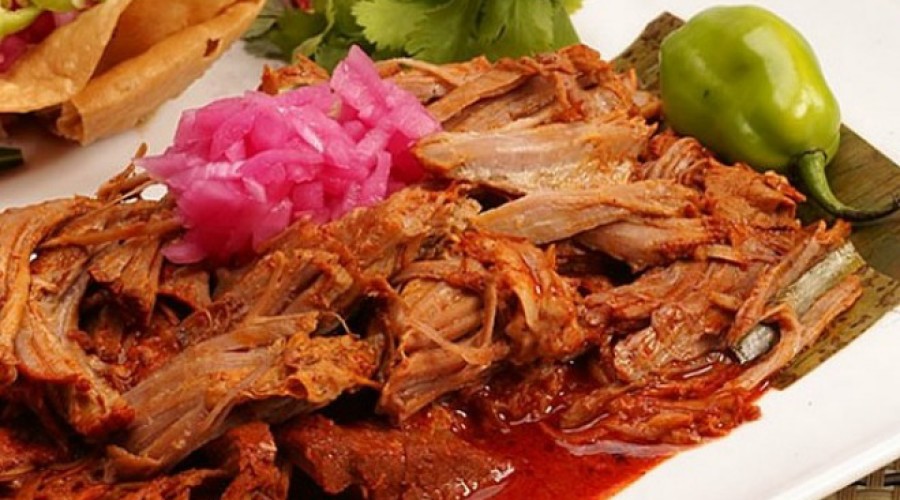
    • Cochinita pibil – Pork marinated in achiote and sour orange, slow-cooked in a banana leaf.
    • Sopa de lima – A citrusy chicken soup that’s comforting after a long day of exploring.
    • Panuchos & salbutes – Street food favorites topped with turkey, beans, and pickled onions.
    • Papadzules – Egg-filled tortillas bathed in pumpkin seed sauce.
    Cochinita pibil
    Cochinita Pibil

    Travel Tip: For an authentic experience, visit local markets in Mérida, Valladolid, or Campeche City, where food stalls serve these dishes at their freshest.


    Folk Music and Dance

    The Yucatán comes alive at night with music and dance.

    • Jarana Yucateca – A lively folk dance performed during town festivals. You’ll often see dancers balancing trays of glasses on their heads!
    • Trova Yucateca – Romantic ballads performed in Mérida’s plazas. Perfect for a slow evening stroll.
    • Fiestas and ferias – Almost every town has annual celebrations with music, fireworks, and traditional clothing.

    Travel Tip: In Mérida, don’t miss the free nightly cultural events, including jarana performances in Plaza Grande.


    Natural Wonders Beyond the Ruins

    The Yucatán isn’t only about history—it’s also a playground for nature lovers.

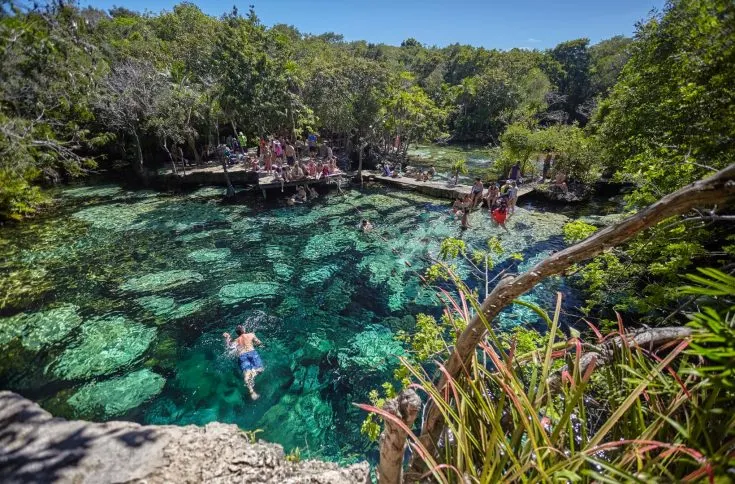
    Cenote azul
    • Cenotes – Swim in crystal-clear sinkholes like Cenote Ik Kil (near Chichén Itzá) or the quieter Cenote Oxmán in Valladolid.
    • Sian Ka’an Biosphere Reserve – A UNESCO site with mangroves, dolphins, and pristine lagoons.
    • Celestún – Famous for pink flamingos, best seen from November to March.
    • Beaches – From bustling Cancún to laid-back Holbox, there’s a stretch of sand for every traveler.

    Travel Tip: Pack biodegradable sunscreen—it’s required in many eco-sensitive areas.


    Maya Riviera Condos

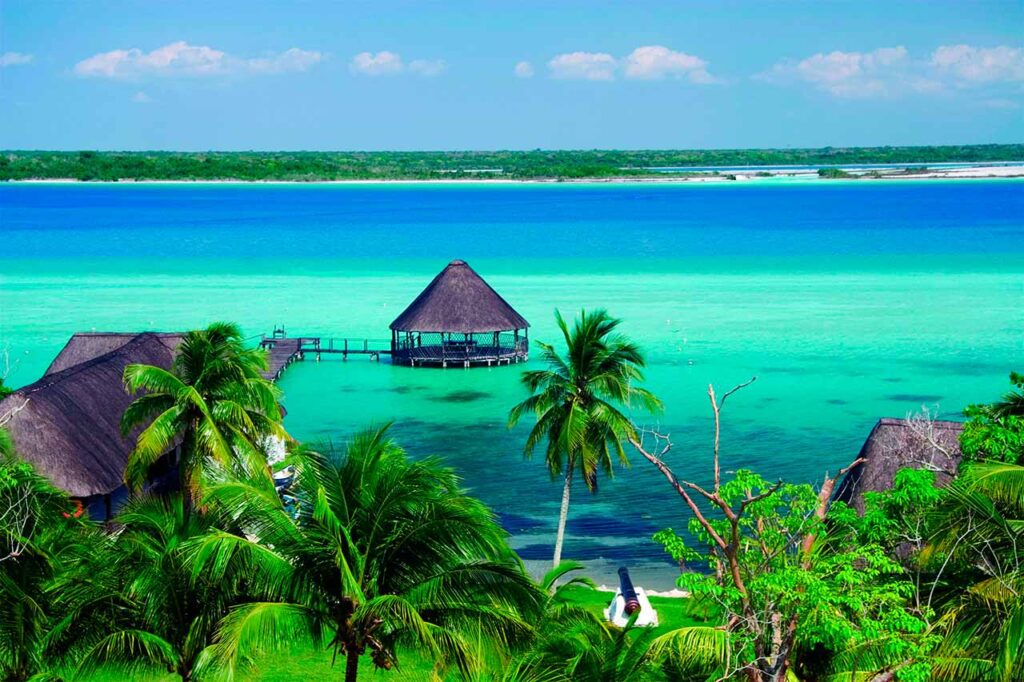
  • Bacalar (Sian Ka’an Bakhalal), The Lagoon of Seven Colours

    Tucked away in the southern reaches of Quintana Roo, near the Belizean border, lies Bacalar, one of Mexico’s best-kept secrets. Known as the Lagoon of Seven Colors, this charming town offers turquoise waters, rich history, and a tranquil alternative to the bustling resorts of Cancún and Playa del Carmen.

    History

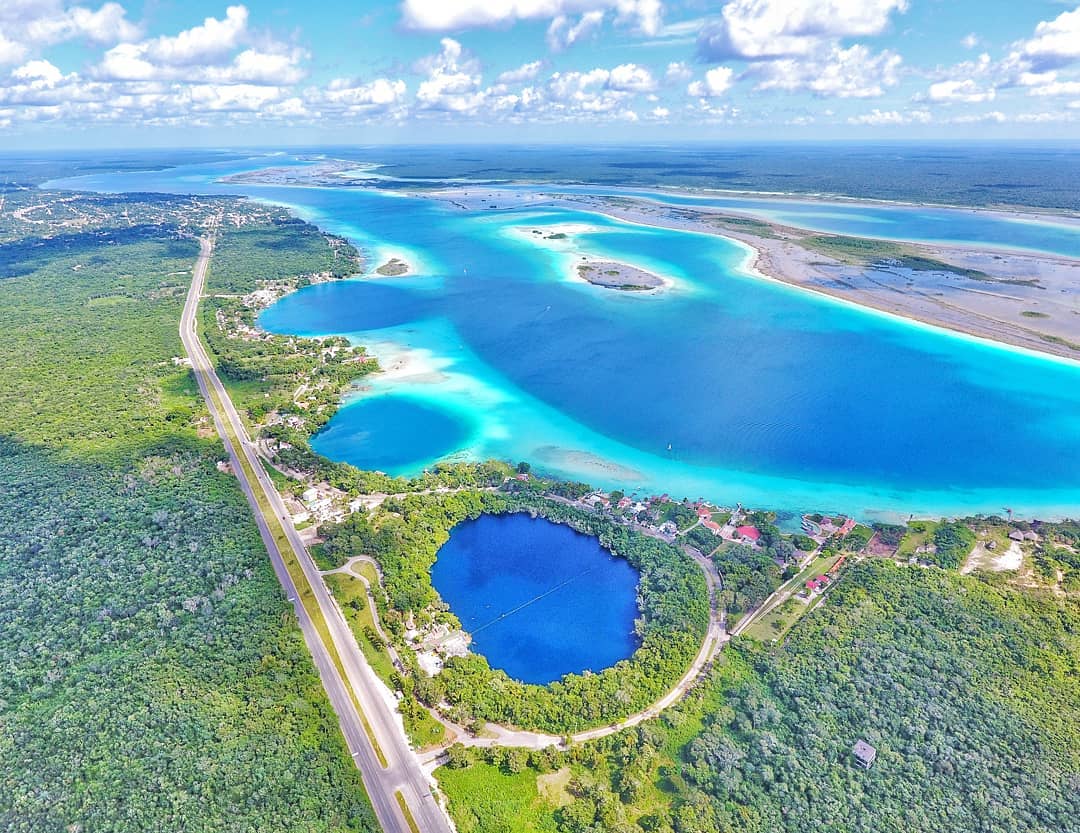
    Beautiful  Blue Cenote in Bacalar

    Bacalar was a city of the Maya civilization in Pre-Columbian times. It was founded in 415 A.D. with the name of “Sian Ka’an Bakhalal.” It was the first city in the region that the Spanish Conquistadores succeeded in taking and holding in 1543. This happened during the 1543–1544 Pachecos entrada. In 1545 Gaspar Pacheco established the Spanish town here with the name Salamanca de Bacalar with the help of Juan de la Cámara. Furthermore, the southern half of what is now Quintana Roo was governed from Bacalar. This part was answerable to the Captain General of Yucatán in Mérida.

    After pirates sacked the town in the 17th century, the Fortress de San Felipe Bacalar was completed in 1729. It may be visited today.

    In 1848 Bacalar had a population of about 5,000. In 1848, during the Caste War of Yucatán, rebellious Chan Santa Cruz Maya conquered the town. It was retaken by the Mexicans in 1902.

    Bacalar was named a “Pueblo Mágico” in 2006.

    https://en.wikipedia.org/wiki/Bacalar


    Bacalar - Beautiful Cenote Azul
    Pictures courtesy of turismomexico.es

    The Lagoon of Seven Colors

    Bacalar’s main attraction is its stunning freshwater lagoon, stretching over 42 kilometers. The name “Seven Colors” comes from the varying shades of blue created by the lagoon’s depth, sandy bottoms, and crystal-clear waters. The hues, ranging from light turquoise to deep navy, shift dramatically as the sun moves across the sky. It makes it a dream for swimmers, kayakers, and photographers.

    Unlike the Caribbean coast, Bacalar’s lagoon is freshwater, fed by underground rivers and cenotes. Its calm, shallow areas are ideal for floating or paddleboarding, while adventurous visitors can explore hidden corners by sailboat.

    A Town Steeped in History

    Bacalar is not only about natural beauty. It carries centuries of history–the town was founded by the Maya, who used the lagoon for trade routes long before Spanish arrival. In the 17th century, Bacalar became a strategic stronghold against pirates. Today, the Fort of San Felipe, built in 1729, still stands as a reminder of these battles. It houses a small museum with artifacts and offers panoramic views of the lagoon.

    Cenotes and Natural Wonders

    Beyond the lagoon, Bacalar is home to impressive cenotes—natural sinkholes filled with fresh water. The Cenote Azul, just outside town, is one of the deepest in the Yucatán Peninsula. It plunges more than 90 meters. Visitors can swim, snorkel, or simply enjoy a meal at the nearby restaurant with views of the cenote’s dark, mysterious waters.

    A Hub for Slow Travel

    Unlike Mexico’s major tourist destinations, Bacalar has maintained a laid-back atmosphere. Eco-lodges, boutique hotels, and family-run hostels line the lagoon, blending sustainability with comfort. Visitors come not for nightlife but for peace, nature, and culture.

    Cycling through the quiet streets, browsing artisan markets, or enjoying traditional dishes like panuchos or fresh fish from the lagoon all add to the relaxed experience. The town’s growing emphasis on eco-tourism also encourages travelers to enjoy the beauty of the lagoon responsibly, helping preserve its delicate ecosystem.

    Gateway to Adventure

    Bacalar’s location makes it an excellent base for exploring southern Quintana Roo and beyond. Day trips can take travelers to the ruins of Kohunlich or Dzibanché, where jungle-covered pyramids rise from the trees. For cross-border adventurers, Belize is just a short drive away.

    Why Visit Bacalar?

    For those seeking an escape from crowded beaches, Bacalar is an oasis of calm. It offers the best of Mexico’s natural beauty—vivid waters, tropical skies, and lush landscapes—paired with a rich cultural heritage. Whether you’re kayaking across glassy waters at sunrise, diving into a cenote, or watching the stars over the lagoon at night, Bacalar is a destination that leaves a lasting impression.

    Maya Riviera Condos

  • Mexico’s Artisan Industry

    Culture, Community and Entrepreneurship


    The Living Legacy of Mexican Artisans

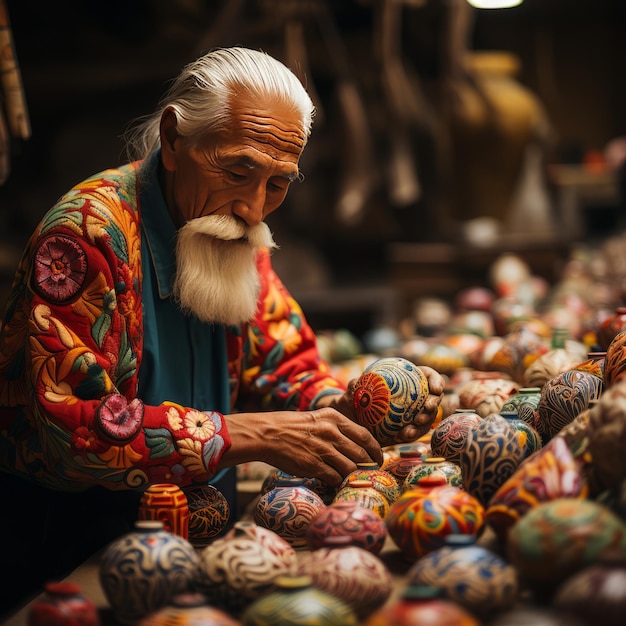
    Mexican artisans craftsmen

    Mexico’s craft industry is more than a collection of colorful crafts—it is one of the deepest expressions of cultural memory and living tradition in Latin America. From handwoven textiles in Oaxaca to Talavera pottery in Puebla, the work of Mexican artisans carries centuries of Indigenous knowledge, colonial influence, and modern reinvention. Today, the artisan sector is not only a cultural treasure but also an essential part of Mexico’s economy and global identity.


    Roots in Tradition

    Mexican artisanal work is born from the blending of Indigenous craftsmanship and Spanish colonial techniques. Pre-Hispanic civilizations such as the Maya, Aztec, and Zapotecs developed expertise in weaving, stone carving, featherwork, and ceramics. When Spanish settlers arrived in the 16th century, they introduced European tools, looms, and styles, giving rise to unique hybrids.

    For example:

    • Textiles in Chiapas and Oaxaca combine ancient backstrap loom weaving with dyes like cochineal red, once prized across Europe.
    • Talavera pottery in Puebla marries Spanish ceramic methods with Indigenous motifs, creating world-renowned tiles and dishware.
    • Huichol beadwork expresses cosmology through dazzling color patterns, often depicting sacred animals and natural elements.
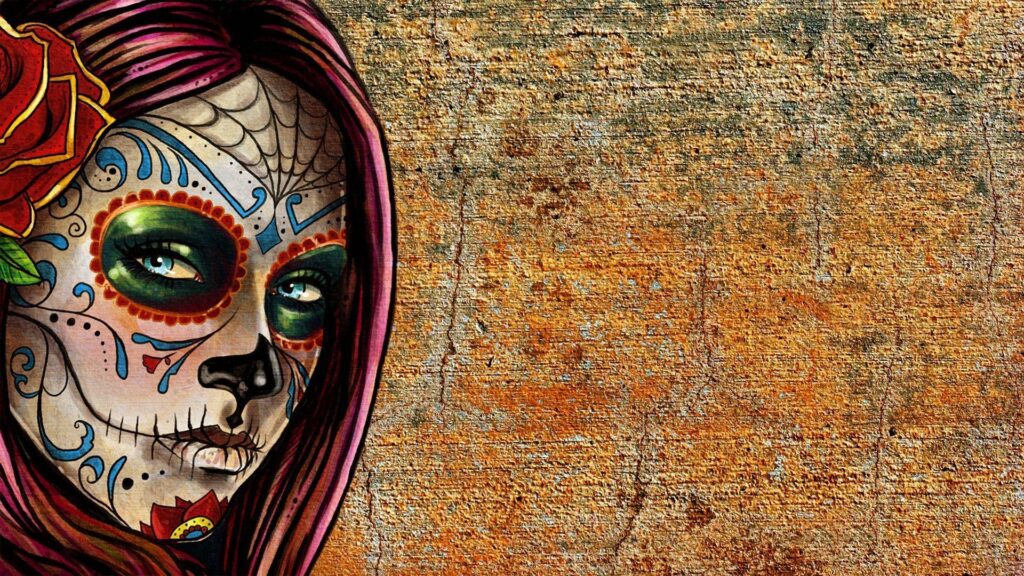
    Mexican mural painting
    https://wallpaperaccess.com/mexican-art-desktop

    An Economic and Cultural Force

    The artisan industry is not just heritage—it’s big business. According to Mexico’s Ministry of Culture, more than 12 million people participate directly or indirectly in artisanal production. Entire communities rely on craft-making as their primary source of income, often working collectively through family workshops or cooperatives.

    Tourism plays a major role. Travelers to destinations like Oaxaca City, San Cristóbal de las Casas, and Guadalajara are eager to bring home embroidered blouses, hand-painted ceramics, or silver jewelry. International demand has also grown, with Mexican textiles, leatherwork, and design pieces appearing in high-end boutiques. Places like New York, Paris, and Tokyo feature these pieces.


    Challenges in the Modern Era

    Despite its resilience, the artisan sector faces obstacles:

    • Mass production & imitation: Cheap factory-made replicas threaten the authenticity and income of rural artisans.
    • Fair pay: Many artisans earn only a fraction of the retail price once products reach urban markets or global exports.
    • Generational continuity: Younger Mexicans are often reluctant to continue family trades, favoring more modern careers.

    To combat these pressures, NGOs, cooperatives, and government programs work to protect Denominations of Origin (like for Talavera pottery or Mezcal) and certify authentic products. Online platforms now allow artisans to sell directly to global customers, bypassing exploitative intermediaries.


    A Living Art Form

    Acmaa 1978 384 11 scaled 1453247177

    What makes Mexican artisan work remarkable is that it is never static. While rooted in tradition, artisans constantly innovate—blending modern design with ancestral methods. Fashion designers collaborate with Indigenous weavers; contemporary architects use handmade tiles and textiles in cutting-edge projects.

    Every handwoven huipil, copper vessel, or lacquered tray carries a story—not only of cultural survival, but also of adaptation and creativity. Supporting artisans means preserving a living heritage that continues to evolve while keeping Mexico’s cultural heartbeat strong.


    How to Support Mexican Artisans

    1. Buy directly: Visit artisan markets (mercados de artesanías) and buy from the makers themselves.
    2. Look for fair trade: Ensure your purchase supports ethical labor practices.
    3. Learn the story: Ask artisans about the meaning of symbols and techniques—it deepens both appreciation and cultural respect.
    4. Promote continuity: Support workshops and cooperatives that train younger generations.

    Final Word

    The Mexican artisan industry is not simply about souvenirs—it is about identity, continuity, and resilience. To hold a handwoven rebozo or a piece of black Oaxacan clay pottery is to hold centuries of artistry in your hands. In a world that increasingly values the handmade over the mass-produced, Mexican artisans stand as guardians of a tradition. This tradition is both timeless and urgently relevant.


    Maya Riviera Condos

Maya Riviera Condosx
Chatbot