
Traveling Mexico Through Its Music: A Journey Into Folk Traditions
To travel through Mexico is to travel through sound. Beyond its archaeological sites, colonial plazas, and celebrated cuisine, the country’s folk music offers one of the most authentic ways to understand its culture. These living traditions are not relics but thriving, evolving practices—performed at weddings, community gatherings, religious festivals, and public plazas. Each region has its own distinctive rhythm, shaped by centuries of Indigenous heritage and layered with Spanish, African, and European influences. For travelers, following these sounds across the country is like holding a cultural map written in song.
Veracruz: The Soulful Strains of Son Jarocho
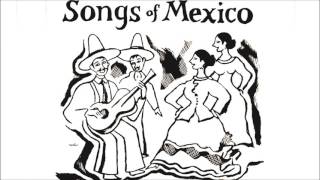
Few places capture the fusion of cultures in Mexico as clearly as Veracruz, a port city where Spanish settlers, Indigenous peoples, and African slaves mingled. Out of this mix emerged son jarocho, a lively style that uses the jarana (a small guitar-like instrument), harp, requinto, and percussive footwork known as zapateado.
The music thrives in the fandango—a communal gathering where musicians and dancers improvise verses and trade rhythms late into the night. The most famous song, “La Bamba,” became an international hit, but in Veracruz, it is just one among hundreds of songs, many improvised to reflect local humor or current events.
Traveler’s Tip: Visit Tlacotalpan in early February for the Festival del Son Jarocho. The entire town becomes a stage, with street performances, dance, and food stalls creating a festival atmosphere along the banks of the Papaloapan River.
Jalisco: The Homeland of Mariachi
When most people think of Mexican music, mariachi comes to mind. Originating in rural Jalisco in the 19th century, mariachi bands were originally small ensembles of violins, guitars, and the vihuela (a high-pitched guitar), later enriched by trumpets in the 20th century.
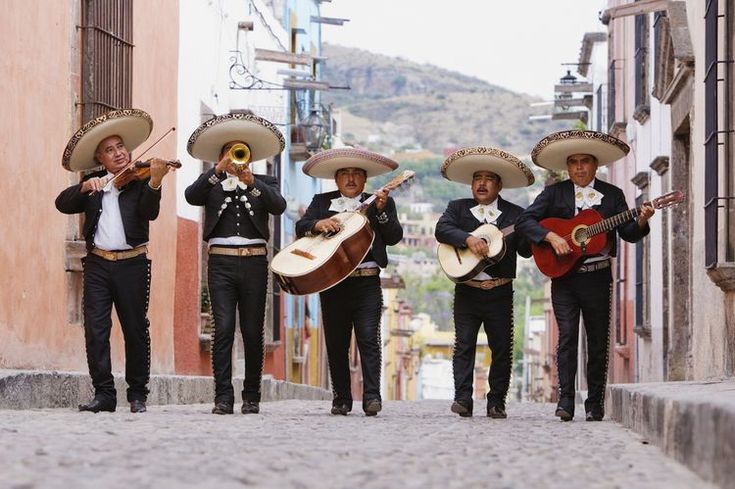
Mariachi is a music of celebration—serenades for lovers, patriotic hymns for Independence Day, and soundtracks for weddings and quinceañeras. The lyrics often celebrate love, land, and national identity, making mariachi one of Mexico’s strongest cultural symbols.
Traveler’s Tip: Guadalajara, the capital of Jalisco, hosts the International Mariachi Festival each September, where top groups from around the world perform. For a more everyday experience, head to Plaza de los Mariachis, where local bands play nightly for diners and passersby.
The North: Corridos, Norteño, and Banda
The north of Mexico, stretching from Chihuahua to Nuevo León and beyond, offers a very different soundscape. European immigrants introduced the accordion, polkas, and waltzes in the 19th century, which blended with local traditions to form norteño and banda music.
The corrido, a ballad that tells stories of heroes, tragedies, and social struggles, became especially popular during the Mexican Revolution. Even today, corridos narrate migration experiences, local legends, and political events. Banda, meanwhile, with its brass-heavy arrangements, provides the soundtrack to town festivals and rodeos.
Traveler’s Tip: Monterrey is a hotspot for norteño music, with live venues ranging from dance halls to neighborhood cantinas. The Feria de San Marcos in Aguascalientes each spring is also a major showcase for regional bands.
Oaxaca and Guerrero: Indigenous and Afro-Mexican Rhythms
The southern states are some of the richest regions for traditional music, where Indigenous languages and Afro-Mexican communities preserve centuries-old sounds. In Oaxaca, sones and jarabes accompany traditional dances at village festivals. In coastal Guerrero and Oaxaca, the Chilena reflects influences from South America, brought by Chilean sailors in the 19th century and infused with Afro-Mexican rhythms.
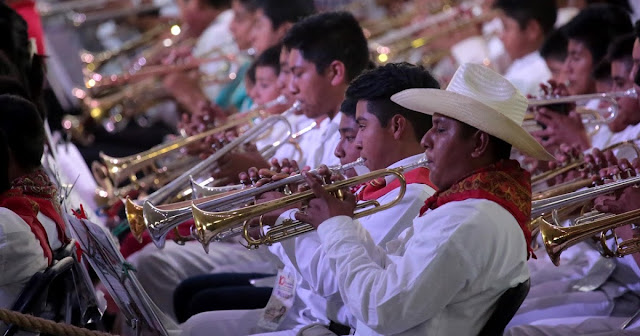
The music here often accompanies communal celebrations, religious rituals, and Indigenous festivals. The Guelaguetza festival in Oaxaca every July is one of the most vibrant showcases of this musical diversity, where each Indigenous group presents its music, dances, and costumes.
Traveler’s Tip: Plan your visit to Oaxaca in July for Guelaguetza, or explore smaller village fiestas throughout the year. These are often open to visitors and offer intimate opportunities to hear music in its traditional setting.
Why Folk Music Matters to Travel in Mexico
For travelers, Mexico’s folk music is not just background—it is part of the experience. The sounds you hear in a plaza, at a market, or during a fiesta carry centuries of history. Unlike staged performances, community events invite participation: clapping, dancing, or even joining in the singing.
- Accessibility: Unlike museum exhibits, folk music is often free and public, found in plazas, markets, and festivals.
- Cultural Insight: Lyrics and styles reflect local concerns—migration in the north, Indigenous identity in the south, or love and patriotism in central regions.
- Living Tradition: Rather than fading, folk music continues to evolve. Young musicians blend it with rock, hip hop, or jazz, ensuring its survival and relevance.
Planning Your Musical Journey
- Best Festivals:
- Festival del Son Jarocho (Veracruz, February)
- International Mariachi Festival (Guadalajara, September)
- Guelaguetza (Oaxaca, July)
- Feria de San Marcos (Aguascalientes, April–May)
- Everyday Experiences:
- Nightly mariachi performances in Guadalajara and Mexico City’s Plaza Garibaldi.
- Small-town fandangos in Veracruz.
- Banda and norteño in Monterrey clubs and border towns.
- Village fiestas in Oaxaca and Guerrero.
- What to Listen For:
- Strings: Jarana, vihuela, guitarrón.
- Brass: Trumpets and tubas in banda.
- Rhythm: Zapateado (foot-stomping) that makes the floor itself an instrument.
- Language: Verses often improvised, humorous, or deeply political.
Final Note
Mexico’s folk music is not a performance staged for tourists—it is a cultural heartbeat that continues to define communities across the country. By seeking it out respectfully, travelers gain more than entertainment: they gain connection. From the fandangos of Veracruz to the brass of Sinaloa, from the violins of Jalisco to the chilenas of Guerrero, the music invites you not just to listen, but to belong.